

Fresh ground coffee changes the whole morning routine, and the right grinder keeps that step simple instead of messy. You get the smoothest path when the grind matches your brew style, your counter space, and how much cleanup you can tolerate before work. This roundup focuses on practical, budget-minded picks for home kitchens, small apartments, travel days, and anyone who wants better control without a fussy setup.
Quick Look At Our Shortlist

SHARDOR Conical Burr Espresso Grinder 51 Settings

Wancle Electric Coffee Grinder

Lonkion Burr Coffee Grinder 28 Settings

SHARDOR Electric Coffee Grinder 70g Capacity

Rsoilch Manual Coffee Grinder 5 Settings

KIDISLE Conical Burr Coffee Grinder 35 Settings

Tuni G1 Conical Burr Coffee Grinder Ivory


Rsoilch Manual Coffee Grinder 40 Settings
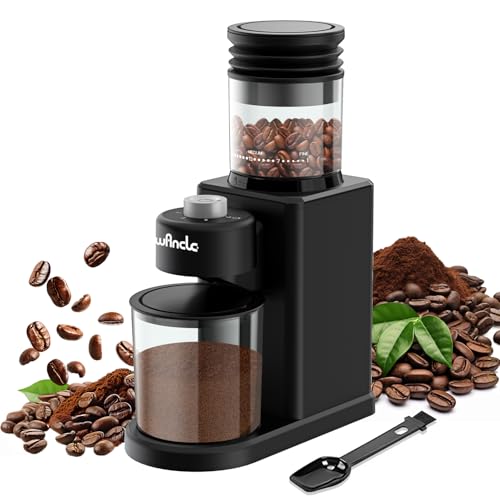
Wancle Conical Burr Coffee Grinder 25 Settings
More Details On Our Top Picks
SHARDOR’s touchscreen layout and 51 grind steps make this the most espresso-leaning option in the group. The precision timer adds a steadier workflow, especially for morning routines where you want repeatable dosing without much guesswork.
The stainless steel finish gives it a more polished feel than the plain blade grinders from Wancle and Dalle, while the anti-static design should help reduce cling around the chute. For home espresso drinkers who want control without jumping to a premium machine, that balance makes sense.
Strong Points
- 51 settings give you fine control for narrow grind adjustments.
- The timer helps you repeat a grind setting with less guesswork.
- Touch controls suit a countertop routine you use every day.
- Anti-static design should cut down on stray grounds around the grinder.
Things To Consider
- The touchscreen adds convenience, but it also means more surface to wipe clean.
- Espresso-focused control can feel like extra detail for casual drip coffee use.
- It suits a fixed kitchen spot better than a grab-and-go setup.
Feature Snapshot
Who It Suits Best
Home espresso drinkers who want more grind control than a basic blade unit will get the most from this one.
Where A Sibling Pick Shines
KIDISLE Conical Burr Coffee Grinder makes a better match for households that want a simpler cup-based selector instead of a more detailed touchscreen setup.
Wancle keeps things plain and fast, which is exactly why it belongs near the front for everyday use. The one-touch approach suits a busy kitchen where you want beans, spices, or a small amount of seasoning ground without fuss.
Compared with the burr models above, this blade grinder gives you less control but a simpler learning curve. The stainless steel body and included cleaning brush point to easy ownership, though blade grinders usually need a steadier hand to avoid uneven particle size.
Highlights
- One-touch use makes the routine simple for rushed mornings.
- It handles coffee beans and spices, so the drawer space goes further.
- The included brush helps with quick cleanup after dry ingredients.
- Its compact build fits neatly beside a drip machine or toaster.
Worth Noting
- Blade grinding gives you less control than the burr models in this list.
- You may need short bursts and a light shake to manage consistency.
- Spice use can leave aroma behind, so separate batches matter.
Core Details
Built With In Mind
You’ll like this most in a home that values speed over precise grind tuning, especially for drip coffee or spice prep.
A Better Fit Elsewhere
Lonkion Burr Coffee Grinder Electric makes more sense for anyone who wants a broader burr-based setting range and a steadier path to even grounds.
Lonkion sits in the middle of the pack in a useful way, because 28 settings are enough for most home brewing without feeling overwhelming. That makes it easier to move between drip, pour-over, and a finer setting for espresso-style prep than a simple blade grinder can offer.
The stainless steel body gives it a clean, durable look, and the 12-cup capacity suits households that brew more than a single mug at a time. In a kitchen where you want a practical burr grinder without a steep learning curve, this one feels sensible.
Reasons To Buy
- 28 settings give you a useful middle ground between simple and highly detailed control.
- The 12-cup capacity helps with family brewing or a larger morning batch.
- Burr grinding is a strong fit for home use where consistency matters.
- It keeps the controls more approachable than the touchscreen models in front of it.
Points To Note
- It offers less fine tuning than SHARDOR’s 51-setting grinder.
- Bulkier batch grinding can mean a bit more countertop space.
- The source data does not spell out extra accessories, so setup stays straightforward.
Details At A Glance
The Right Fit
Daily drip coffee drinkers who want more control than a blade unit, but not a dense feature set, should feel comfortable here.
Look Elsewhere When
Wancle Electric Coffee Grinder is the easier pick for quick spice grinding and very simple one-touch use.
This SHARDOR feels built for larger batches, and the 70g capacity is the detail that makes the difference in a busy kitchen. The visual timing knob is useful because it gives you a clearer sense of grind duration, which helps with repeatable results for espresso, French press, herbs, or grains.
It sits closer to the blade-grinder camp than the burr models, but the bigger bowl changes how you use it day to day. For households that grind more at once and don’t mind a little extra cleanup, it offers useful volume without becoming complicated.
Upsides
- 70g capacity suits larger batches and less frequent refills.
- The timing knob makes short, controlled pulses easier to manage.
- It handles coffee and dry kitchen ingredients, which adds flexibility.
- The quiet-leaning design should feel friendlier in early-morning use.
Areas To Watch
- Blade grinding still leaves less texture control than a burr grinder.
- Big-batch use can leave more residue in the chamber and lid area.
- The wider use range is handy, though it can also invite cross-ingredient odor carryover.
Technical Sheet
Whose Shelf It Belongs On
Households that make several servings at a time, or that also prep herbs and dry grains, should get the most value from this grinder.
Skip It When
Tuni G1 Conical Burr Coffee Grinder suits you better when burr consistency matters more than batch size.
Rsoilch takes a quieter path, since a hand crank asks for effort instead of electricity. That makes it a nice match for camping, packed luggage, or a kitchen where you’d rather keep one more cord off the counter.
With five adjustable settings and a ceramic burr, you get a simple manual setup for espresso or French press routines. The trade-off is obvious, though, because the process takes more time and the output depends on your own pace and consistency.
Best Bits
- Manual operation works well where power outlets are inconvenient.
- Ceramic burrs are a solid fit for a hand grinder that gets packed often.
- The five settings keep the adjustment process simple.
- It travels easily for camping or a short trip.
Softer Spots
- Hand grinding takes more time than an electric grinder.
- Five settings give you less tuning room than the electric burr models here.
- Repeated use means more physical effort, which matters on busy mornings.
Core Details
Who Should Grab It
Travelers, campers, and anyone who likes the ritual of manual grinding will connect with this model quickly.
Another Choice May Suit
Wancle Conical Burr Coffee Grinder Electric is the easier option for someone who wants motorized convenience at home.
KIDISLE is a strong middle-ground grinder for a home that makes different amounts of coffee across the week. The 2 to 12 cup selector is especially useful for households that alternate between a single mug and a larger pot, because you can match the output more cleanly.
Its 35 settings and anti-static design push it a step beyond the simplest burr models. Compared with Lonkion’s 28 settings, it gives you a little more range, while the anti-static detail should help keep grounds from clinging around the chamber.
Positives
- The 2 to 12 cup selector makes batch sizing easier.
- 35 settings give you more range than a basic entry burr grinder.
- Anti-static design should reduce cling around the grinder area.
- It suits mixed routines, from solo cups to family pots.
Small Caveats
- The more detailed control can take a little setup time at first.
- Countertop cleanup still matters, especially around fine grounds.
- It makes the most sense for kitchens that grind often enough to use the selectors.
Feature Rundown
Right Fit For
Households that bounce between solo cups and larger morning pots should find the selector and settings especially handy.
Where Another Pick Suits Better
SHARDOR Conical Burr Espresso Grinder 51 Settings is the better call for espresso-focused users who want the widest control range in this lineup.
Tuni G1 pushes further into feature territory, and the 48 settings make that obvious right away. You also get a precision timer and LED touchscreen, which gives it a more polished workflow than the simpler burr grinders in the middle of the list.
The ivory finish and stainless steel anti-static burr mill give it a cleaner, more styled look than the blacked-out options above. In a kitchen that sees espresso one day and French press the next, that kind of range feels genuinely useful rather than decorative.
Bright Spots
- 48 settings offer a wide range for several brewing styles.
- The precision timer helps you repeat a chosen grind session.
- LED touchscreen controls give it a modern, easy-to-read interface.
- Anti-static burr construction should reduce messy cling around the grinder.
- The ivory finish gives the machine a lighter visual footprint on the counter.
Room For Improvement
- The extra controls can feel like more than a casual coffee drinker needs.
- Touchscreen surfaces usually need frequent wiping in a busy kitchen.
- Its feature set asks for a little more attention than a basic grinder.
Quick Facts
Best Suited To
Home brewers who move across espresso, drip, cold brew, and French press will get the most out of this wide-setting grinder.
Skip It When
Lonkion Burr Coffee Grinder Electric is the better fit for someone who wants a simpler control set with less interface complexity.
Dalle keeps the footprint small, which matters in tight kitchens where every inch counts. The 200W motor and 28,000 RPM speed point to fast blade grinding for beans, spices, herbs, nuts, seeds, and grains, so the appeal here is quick output rather than subtle grind tuning.
Compared with the burr units in this roundup, this one is more about convenience and volume of uses than coffee precision. That makes it a good match for someone who wants one compact grinder for several dry ingredients and doesn’t need espresso-level consistency.
Standout Traits
- The small footprint helps in cramped kitchens and dorm-style setups.
- Fast blade action keeps grinding sessions short.
- It can handle several dry ingredients, which broadens its use.
- The stainless steel build usually feels easier to wipe down after use.
Minor Gripes
- Blade design gives less control than a burr grinder.
- Very fast grinding can create uneven texture without careful pulsing.
- Using it for several ingredient types may mean more frequent cleaning between batches.
Feature Card
Who Will Love This
Small-space kitchens and households that want one quick grinder for coffee plus dry ingredients will appreciate the compact design.
Swap It Out When
Tuni G1 Conical Burr Coffee Grinder Ivory is the better choice for anyone who cares more about grind consistency than speed alone.
This Rsoilch version leans much more detailed than the five-setting manual grinder earlier in the list. Forty settings give you a finer way to tune the grind for espresso or French press, and the portable hand-mill format still keeps it useful for trips or small kitchens.
The ceramic burr setup should appeal to anyone who wants manual control without a bulky electric base. The catch is the same as most hand grinders, because more control also means more effort and a slower morning rhythm.
Standout Traits
- 40 settings give you far more adjustment room than the simpler manual pick above.
- The portable shape suits travel bags, camping kits, and compact storage.
- Ceramic burrs keep the hand-grinding setup straightforward.
- It’s a strong option for people who like a hands-on brew routine.
Honest Caveats
- Manual grinding takes more time and effort than an electric model.
- The wider setting range may ask for a little more trial and error.
- Cleaning still matters, especially if you shift between brew styles often.
Feature Rundown
Perfect Match For
You’ll like this most if you want a portable grinder with much finer control than a basic manual model offers.
Reach For A Different Pick When
Wancle Conical Burr Coffee Grinder Electric suits you better when effortless home grinding matters more than hand-powered control.
Wancle’s burr grinder brings automatic simplicity to the end of the list, and that’s useful for home routines that need little setup. The 25 settings and one-touch operation keep the process direct, while the self-cleaning blower adds a maintenance-friendly touch you’ll notice after repeated use.
It feels less elaborate than Tuni G1 or SHARDOR’s touchscreen model, but that’s part of the appeal. For a kitchen that wants a compact electric grinder with enough range for daily coffee and not much learning curve, this one lands in a friendly middle space.
What We Like
- One-touch operation keeps the workflow simple.
- 25 settings offer enough room for everyday brewing.
- The compact body should fit easily on modest counters.
- Self-cleaning blower is handy for routine upkeep.
Areas To Watch
- Its setting range is narrower than the 35, 48, and 51-setting models here.
- One-touch simplicity leaves less room for deep customization.
- The cleaning blower helps, but you’ll still want regular wipe-downs.
At A Glance
Whose Shelf It Belongs On
Busy households that want an easy electric grinder for everyday coffee, with a little help on cleanup, should be comfortable with this pick.
A Better Fit Elsewhere
KIDISLE Conical Burr Coffee Grinder gives you more settings and a cup selector, which suits mixed brewing routines more neatly.
How To Choose The Right Affordable Coffee Grinders
Start With The Brew Style You Use Most
Burr grinders make more sense for espresso, pour-over, and drip coffee because they create a steadier grind. Blade grinders are simpler and usually faster, but they leave more room for uneven particles, which matters less for seasoning blends than for a morning cup.
Your routine should lead the choice, not the feature list. A compact one-touch grinder suits rushed weekdays, while a manual burr grinder fits slower mornings, camping bags, and kitchens where you value portability.
Match The Grind Range To Your Habits
More settings matter when you move between brew methods. SHARDOR’s 51 settings and Tuni G1’s 48 settings help most when you switch from espresso to French press and want more control than a simple preset system can give.
For many kitchens, 25 to 35 settings is already enough. That range keeps the machine easier to learn and still gives you room to tune the cup without turning every brew into a small project.
Think About Cleanup Before You Buy
Anti-static designs, cleaning brushes, and self-cleaning blowers matter more than they first appear. They help reduce the little messes that build up around the chute, chamber, and lid after repeated use.
Blade grinders and higher-capacity bowls often leave more residue, especially when you use them for both coffee and dry spices. A model that wipes down quickly tends to stay in regular rotation instead of getting shoved to the back of a cabinet.
Choose Capacity And Footprint Together
A bigger chamber helps families and batch brewers, while a smaller body fits apartment counters and shared kitchens. The 70g SHARDOR and the 2 to 12 cup KIDISLE show two different ways to solve that problem, one by volume and one by flexible dosing.
Manual grinders keep the footprint tiny, but you trade space savings for more effort. That trade is fine for travel, yet most home cooks will prefer an electric model once the grinder becomes part of the daily coffee routine.
Things Worth Knowing First
Mistakes Worth Dodging
Skipping the grind style is the easiest way to end up unhappy with the purchase. A blade unit can be fine for fast, simple use, but it won’t give the same evenness as a burr grinder for espresso or pour-over.
Another common miss is choosing more settings than you’ll actually use. A clear control layout often serves you better than a crowded panel, especially in a kitchen where you just want coffee moving.
The Upgrade Payoff
Higher-tier grinders usually spend more on burr quality, control range, timers, and anti-static features. Those parts matter because they improve repeatability and make the grinder easier to live with after the first week.
That extra cost makes sense for espresso drinkers, frequent brewers, and anyone who hates cleanup. For casual drip coffee, a simpler model may be all you need.
Frequently Asked Questions
Are Burr Grinders Better Than Blade Grinders?
Burr grinders usually give you more even grounds, which helps with brewing consistency. Blade grinders are simpler and often better for quick, low-fuss use.
How Many Grind Settings Do You Really Need?
Most home routines do well with a modest range, especially for drip and French press. More settings help most when you brew espresso and want finer adjustment.
Are Manual Coffee Grinders Good For Daily Use?
They can work well for one or two cups, especially in travel or camping setups. For busy mornings, the hand crank adds effort that some kitchens won’t want.
Does Anti-Static Design Actually Matter?
It helps reduce grounds sticking to the chamber and nearby surfaces. That makes cleanup easier and keeps the counter looking tidier.
What Size Grinder Works Best For A Small Kitchen?
Compact electric grinders and manual models both save space, but they solve the problem differently. A small countertop often benefits most from a narrow electric burr grinder or a portable hand grinder.
Closing Thoughts
You have a lot of room to choose well here, because the right grinder depends on how you brew and how much control you want. SHARDOR and Tuni G1 suit coffee drinkers who care about repeatable grind settings, while Wancle and Dalle keep things simpler for quick daily use. Manual picks from Rsoilch fit travel or slower routines, and KIDISLE gives you a balanced middle ground. Pick the one that matches your kitchen rhythm, and the coffee side of your morning gets easier fast.
