

Coffee sweetening gets tricky fast once you want low carb control without a harsh aftertaste. You need a bottle or bag that fits your brew style, whether that’s a morning mug, a travel tumbler, or a dessert topping at home. The seven picks below cover liquid stevia, syrup-style blends, and granular monk fruit, so you can match sweetness to your routine instead of forcing one product to do everything.
Quick Look At The Shortlist

Stevia Select Butter Pecan Liquid Stevia

ChocZero Sugar Free Caramel Coffee Syrup
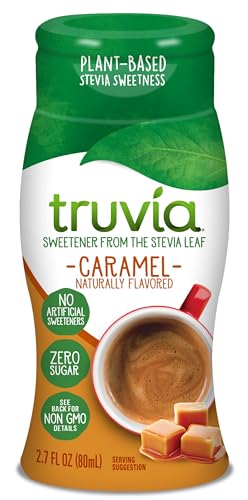
Truvia Liquid Stevia Sweetener Caramel

ChocZero Sugar Free Vanilla Coffee Syrup

Your Kitchen Keto Allulose Syrup 15.9 Oz

MONKSHUSHU Allulose Syrup 18.7 Fl Oz

SweetLeaf Organic Monk Fruit Sweetener Granular 28.2 Oz Bag
More Details On Our Top Picks
Butter pecan stevia leans toward dessert-style coffee, and that makes this bottle more specific than plain liquid sweeteners like Truvia. The 2 oz size keeps it compact, which suits a desk drawer, a small pantry, or a travel-heavy routine where space is tight. Because it skips erythritol, you avoid the cooling note that many keto blends leave behind.
The trade-off is simple: flavored stevia only works well for you when that nutty profile fits the drink. In a black coffee or tea routine, that can be a plus or a mismatch, depending on taste. For latte-style drinks, baking, and occasional flavored mugs, the small drop-by-drop format gives you fine control.
Strong Points
- Butter pecan flavor adds character to coffee without needing syrup volume.
- Liquid form makes it easy to adjust sweetness a drop at a time.
- Small bottle stores neatly in cramped kitchens or office setups.
- No erythritol keeps the flavor profile cleaner for sensitive palates.
Things To Consider
- Nutty flavoring narrows its use compared with plain sweeteners.
- The 2 oz bottle may go quickly in a household that sweetens several mugs daily.
- Flavor concentration rewards careful dosing, so overpouring can dominate a drink.
Feature Snapshot
Who It Suits Best
You benefit most from this pick when you want flavored sweetness for coffee, tea, or baking and prefer a small, easy-to-store bottle.
Where A Sibling Pick Shines
Truvia Liquid Stevia Sweetener Caramel suits you better when you want a milder caramel profile and a more straightforward everyday sweetener.
Caramel syrup changes the job completely compared with Stevia Select’s dropper bottle, because you get a pourable format for mugs, cold brew, and dessert drizzles. The 25.4 fl oz bottle suits a kitchen that goes through sweet coffee often, and the added prebiotic fiber is a notable extra for people who want more than plain sweetness. Monk fruit keeps the blend away from sugar alcohols, which is a real comfort for some routines.
The honest read is that this works best as a pantry staple, not a tiny backup bottle. A larger syrup container needs a little more shelf space, and that matters in compact kitchens. For lattes and homemade café drinks, though, the texture makes it feel closer to a standard coffeehouse pour.
What We Like
- Pourable syrup format works well for lattes, cold brew, and desserts.
- Large bottle size supports frequent use without constant refilling.
- Monk fruit sweetening leaves out sugar alcohols.
- Prebiotic fiber adds a functional angle beyond sweetness alone.
- Caramel profile fits café-style drinks especially well.
Worth Noting
- The bottle takes more pantry space than a liquid dropper.
- Sweet syrup can feel heavier than a stevia drop for light coffee drinkers.
- Flavor is specific, so it’s less flexible than a plain base sweetener.
At A Glance
Made For
You fit this syrup best when you make flavored coffee often and want a bottle that behaves like café syrup at home.
Another Choice May Suit
SweetLeaf Organic Monk Fruit Sweetener Granular 28.2 Oz Bag suits you better when you want a dry, scoopable option for tea, baking, and simple kitchen storage.
This Truvia bottle sits closer to a straight utility sweetener than the flavored syrup style of ChocZero. Water, stevia leaf extract, natural flavor, potassium sorbate, and citric acid make up the listed formula, and that simple profile suits coffee drinkers who want predictable dosing. The 67-serving count also makes it appealing for a pantry that sees daily use.
The trade-off is that liquid stevia remains more concentrated than syrup, so careful dosing matters. In a busy kitchen, that’s not a problem once you settle on a routine, but casual use can take a minute to dial in. For hot drinks, cold drinks, yogurt, or milkshakes, the format stays flexible without taking much shelf room.
Highlights
- Liquid format spreads evenly through hot or cold drinks.
- Small bottle is easy to store beside coffee gear.
- 67 servings give it practical staying power for daily use.
- Caramel note adds flavor without forcing a syrup texture.
Small Caveats
- Concentrated sweetness calls for careful pouring.
- Flavor profile is narrower than an unscented base sweetener.
- The compact bottle is handy, though heavy coffee use can move through it quickly.
Details At A Glance
Whose Shelf It Belongs On
You suit this pick best when you want a small, straightforward liquid sweetener for coffee, yogurt, or quick kitchen use.
Swap It Out When
ChocZero Sugar Free Caramel Coffee Syrup fits better for latte drinkers who want a thicker pour and a larger bottle.
Vanilla syrup is the quieter sibling to the caramel version, and that makes it easier to use across more drinks. The same 25.4 fl oz bottle size gives you generous room for hot coffee, iced coffee, cappuccinos, and dessert work. Like the caramel bottle, it uses monk fruit and leaves out sugar alcohols, which keeps the sweetness profile clean.
The flip side is that vanilla can disappear into strong roast coffee unless you dose with a light hand. That’s not a flaw so much as the nature of the flavor, and plenty of home coffee setups benefit from that restraint. You may find it especially useful in a house where one person wants sweetness and another wants a lighter café note.
Upsides
- Vanilla works across coffee, cold brew, and simple desserts.
- Large bottle size fits regular household use.
- Monk fruit base avoids sugar alcohols.
- Neutral enough to pair with many roast levels.
- Useful for drink customization in a home coffee bar.
Areas To Watch
- Soft vanilla can feel subtle in bold coffee.
- Like other syrups, it needs pantry space.
- Sweetness can build quickly, so careful pours help.
Core Details
Best Suited To
You get the most from this pick when you want a mild, adaptable syrup for everyday coffee drinks.
Look Elsewhere When
Stevia Select Butter Pecan Liquid Stevia fits better for you when you want a compact bottle and a more distinctive flavor cue.
Allulose syrup plays a different role from the stevia-based bottles above, because allulose is a sugar-like sweetener with a lighter syrup feel. This one lists 99.5% liquid allulose, and that high proportion makes it appealing for people who want a plain, versatile sweetener rather than a flavored coffee topper. The 15.9 oz bottle lands in the middle of the pack for size, so it suits a normal kitchen counter without taking over the shelf.
The trade-off shows up in the flavor profile, which stays more neutral than the flavored ChocZero syrups. That’s useful for everyday coffee, but it gives you less built-in character. For a household that sweetens drinks and occasional baking recipes, this is a calm, easygoing option.
Best Bits
- High allulose content keeps the formula straightforward.
- Neutral syrup texture works in both drinks and recipes.
- Middle-size bottle fits general home use well.
- Liquid form makes mixing simple in coffee or batter.
Room For Improvement
- Plain flavor gives you less personality than caramel or vanilla.
- The bottle is still bulkier than a small dropper.
- Those who want a familiar dessert note may prefer a flavored syrup.
Feature Rundown
The Right Fit
You fit this syrup best when you want a neutral liquid sweetener for coffee, tea, and basic kitchen use.
Reach For A Different Pick When
ChocZero Sugar Free Vanilla Coffee Syrup suits you better if you want a more expressive flavor for dessert-style drinks.
MONKSHUSHU gives you a larger syrup bottle than Your Kitchen, and that matters in a kitchen that uses sweeteners for more than just coffee. The listed allulose syrup format, along with monk fruit and stevia elements in the blend, makes it feel built for cooking, baking, and drinks rather than a single specialty use. Vegan-friendly positioning and 0 g net carbs broaden the fit for routine pantry storage.
One thing worth considering is that larger syrup bottles tend to claim more fridge or cabinet space, even when the formula itself is practical. In return, you get a sweetener that should suit more batch work than a small dropper bottle. For meal prep, muffin batter, and repeat drink use, that extra volume is the real selling point.
Reasons To Buy
- Larger 18.7 oz bottle supports frequent kitchen use.
- Works for drinks, baking, and general sweetening tasks.
- 0 g net carbs fits low-carb routines.
- Vegan-friendly profile widens its household appeal.
Points To Note
- Larger size takes more storage space than compact bottles.
- Blend-based formulas can feel less plain than single-ingredient sweeteners.
- Best suited to kitchens that use syrup often rather than occasionally.
Quick Facts
Built With In Mind
You fit this pick best when you sweeten drinks and recipes often enough to appreciate a larger bottle.
Skip It When
Your Kitchen Keto Allulose Syrup 15.9 Oz suits you better if you want a smaller, simpler allulose bottle with less storage demand.
This granular bag stands apart from the liquid options because it behaves more like sugar in the kitchen. That matters for coffee spoons, tea cups, and baking recipes where a dry sweetener is easier to measure. The 28.2 oz bag gives you plenty of material for routine use, though it does ask for more pantry space than a small bottle.
For households that want one sweetener for coffee, tea, yogurt, and baking, this is the most familiar format in the group. The trade-off is that granular sweeteners are less convenient for cold drinks than a liquid. In most kitchens, though, the 1:1 style fit makes it the easiest switch from table sugar.
Positives
- Granular form measures like standard sugar in recipes.
- Large bag supports frequent use across coffee and baking.
- Works naturally in tea, yogurt, and dry mixes.
- Organic monk fruit positioning broadens its pantry appeal.
Honest Caveats
- Bag format takes more shelf space than a bottle.
- Dry texture is less convenient for iced drinks.
- Some households may prefer liquid sweeteners for fast mixing.
Core Details
Who Should Grab It
You fit this pick best when you want a sugar-like granular sweetener for coffee, tea, and baking with minimal adjustment.
Where Another Pick Fits Better
Truvia Liquid Stevia Sweetener Caramel suits you better if you mainly sweeten drinks and want a liquid format that mixes faster.
How To Choose The Right Keto Coffee Sweeteners
Match The Format To Your Routine
Liquid sweeteners suit fast-mixing coffee and iced drinks because they disperse quickly, especially in narrow cups or travel mugs. Syrups bring more body and usually feel better in lattes, cold brew, and dessert drinks. Granular monk fruit works like sugar at the spoon stage, so it earns its place in baking and tea as much as coffee.
The format choice also affects storage and cleanup. A dropper bottle keeps the counter tidy, while a syrup bottle asks for more shelf space and a little more care around sticky pours. A bag gives you pantry-friendly volume, but it is less graceful for a cold drink on the move.
Pay Attention To Flavor Strength
Flavored options, such as butter pecan, caramel, and vanilla, make sense when you want the sweetener to shape the drink, not just sweeten it. That can be ideal for café-style coffee or dessert recipes, yet the same flavor can feel too specific in plain black coffee. Plain allulose or a neutral monk fruit base gives you more room to build your own cup.
Think about how often you repeat the same drink. A flavor you enjoy every morning can feel like a signature, while a strong note used all day may become tiring. That’s why subtlety matters as much as sweetness level.
Check The Sweetener Base
Stevia-based options usually appeal to people who want small amounts with strong sweetness. Monk fruit tends to show up in syrup-style formulas and can taste cleaner for some palates. Allulose, a low-calorie sugar-like sweetener, behaves more like a regular pantry ingredient and often suits people who want a smoother texture.
The base matters because it changes the whole mouthfeel, not just the label. Sugar alcohol-free formulas are useful for some households that want to avoid that cooling sensation. The best fit depends on whether you want strong sweetness in drops, pourable syrup for drinks, or a sugar-like granular replacement.
Think About Kitchen Use Beyond Coffee
A sweetener that handles coffee well may still miss the mark in baking or yogurt. Granular monk fruit is easier for dry recipes, while syrup and liquid formats shine in beverages. Many home cooks keep one bottle for mugs and another dry sweetener for recipes, because that split solves more problems than a single jar can.
Maintenance matters too. Bottles need a clean cap and a stable shelf spot, while bags need dry storage and a scoop that stays uncontaminated. The right choice is the one that fits the way you cook, pour, and store things every week.
What To Weigh Before You Commit
Common Shopping Slip Ups
A frequent mistake is choosing a sweetener for flavor alone and ignoring how you actually drink coffee. A strong caramel syrup can be great in a latte and awkward in plain drip coffee, while a granular bag may feel clumsy for iced drinks. Storage space also gets overlooked, especially with larger syrup bottles.
Another easy miss is forgetting the serving style. Liquid drops reward precision, but they punish casual pouring. That’s why the sweetener that looks simplest on the shelf is not always the easiest in a rushed kitchen.
The Upgrade Payoff
Higher-tier sweeteners usually cost more because the formula is more specialized, the bottle is larger, or the flavor system is more refined. You are paying for convenience in pourability, a cleaner flavor profile, or a format that fits a wider set of kitchen tasks. That matters most for households that sweeten several drinks a day.
The upgrade makes sense when you want consistency across coffee, baking, and dessert use. It also makes sense when a plain formula keeps you from doubling up sweetener and flavoring at the same time. A more polished syrup or a larger granular bag can save annoyance in the long run.
Final Thoughts
Your best choice depends on how you take coffee, not just how sweet you like it. Flavored liquid stevia works for a small, precise routine, syrup bottles suit café-style drinks, and granular monk fruit makes the most sense for sugar-like measuring in the kitchen. For a simple daily setup, start with the format that matches your cup, then narrow by flavor from there. That keeps the whole decision clean and practical.
