

Upgrading your morning cup starts with how the beans meet the burrs, not the machine’s price tag. These nine electric burr grinders span the range from compact home units to pro-style flat-burr designs that serious shoppers compare by hand alignment and motor torque. Below, the standout builds, real-world fit, and the trade-offs worth knowing before you commit.
Quick Comparison Of Our Top Picks
Quick Look At Our Top Picks

SHARDOR Conical Burr Espresso Coffee Grinder 51 Settings

Fellow Ode Gen 2 64mm Flat Burr Coffee Grinder
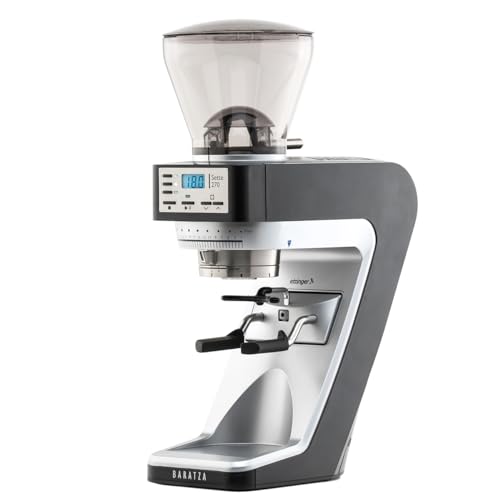
Baratza Sette 270 Conical Burr Coffee Grinder

Aromaster Burr Coffee Bean Grinder 48 Settings

OutIn Fino Portable Electric Coffee Grinder 28 Settings

Tuni G1 Conical Burr Coffee Grinder 48 Settings

KIDISLE Conical Burr Coffee Grinder 35 Settings

Baratza Sette 270Wi-Grind by Weight Grinder

AMZCHEF 64mm Flat Burr Coffee Grinder 90 Settings
SHARDOR packs a 40mm stainless-steel conical burr behind a touchscreen that walks newer espresso shoppers through 51 grind steps. The burr geometry aims to keep heat low so the oils inside the bean stay intact, which matters when you are pulling shot after shot. For someone learning to dial in a home machine, that range from Turkish-fine up to French press is genuinely useful.
That said, the timer tops out at 60 seconds in 0.1-second steps, which is plenty for single servings but slower than the Sette 270 when grinding larger batches. Compare that to the Baratza below, whose dosers reset faster and whose burr replacement parts are easier to find in the long run.
Strong Points
- Touchscreen controls feel modern without being fiddly
- 51-step range covers espresso through French press
- Timer in 0.1-second increments helps repeat recipes
- Anti-static coating keeps grounds off the counter
Things To Consider
- Small hopper means refilling mid-brew for big batches
- Plastic grounds bin feels flimsy next to all-metal rivals
Quick Facts
Made For
Beginners pulling home espresso who want one-touch repeatability without juggling multiple dials.
Where Another Pick Suits Better
Anyone grinding for a full countertop setup may prefer the Baratza Sette 270, whose faster motor and larger hopper handle volume without pausing.
Fellow’s Ode Gen 2 runs 64mm flat burrs, which grind faster than the smaller conical units and tend to produce a more uniform particle size for pour-over brewing. The single-dose design means you load just what you need, and the anti-static chamber keeps the countertop tidy, a real perk in a cramped apartment kitchen. It is not built for espresso, so anyone chasing crema should look past this one.
Compared to the SHARDOR above, the Ode feels quieter and more refined, but it also costs more and skips the timed dosing that makes repeat recipes effortless. Owners commonly report the burrs stay aligned longer than budget conical grinders, though the plastic hopper can stain over time.
Bright Spots
- 64mm flat burrs produce consistent grounds for pour-over
- Single-dose loading reduces waste between brews
- Anti-static chamber keeps grounds contained
- Quiet motor suitable for early-morning brewing
Honest Caveats
- Not suitable for espresso grind ranges
- Hopper discolors with prolonged bean exposure
Feature Snapshot
Right Fit For
Pour-over and drip coffee drinkers who value quiet operation and a clean countertop.
A Better Fit Elsewhere
Esresso-focused homes may prefer the SHARDOR Conical Burr, which covers the fine range this model skips.
The Sette 270 earns its reputation among coffee professionals because the motor spins fast enough to grind a dose in seconds, and the three programmable dosing buttons remember your preferred timing. Conical burrs handle espresso through French press, so it covers more brewing methods than the Fellow Ode above. For anyone pulling multiple shots back-to-back, that speed adds up.
Baratza supports this unit with replacement burrs and clear cleaning guides, which matters when you use it daily. The catch is the loud motor, and the plastic housing can feel less solid than all-metal rivals like the AMZCHEF below.
Reasons To Buy
- Fast motor cuts grind time to seconds per dose
- Three programmable dosing buttons for repeat recipes
- Conical burrs span espresso through French press
- Replacement burrs and parts widely available
Room For Improvement
- Motor is noticeably louder than flat-burr rivals
- Plastic housing feels less durable than metal builds
Spec Overview
Who Will Love This
Home espresso makers who need speed and dose consistency without reprogramming each shot.
Swap It Out When
Noise bothers you in the morning, the AMZCHEF 64mm Flat Burr runs quieter with an all-metal chamber.
Aromaster leans into quiet operation and a removable burr that brushes clean without tools, which matters in a small kitchen where space and noise both count. The 48 settings give you espresso through French press, and the 40-second timer adjusts in 0.5-second steps. Compared to the Baratza Sette 270, this unit stays calmer under load, though it grinds slower per dose.
Owners commonly report the anti-static coating works well, and the removable burr makes monthly cleaning painless. The trade-off shows up when grinding large batches, where the slower motor means you wait longer between refills.
Plus Points
- Removable burr brushes clean without disassembly
- Anti-static coating reduces countertop mess
- 48 settings cover espresso through French press
Minor Gripes
- Timer only adjusts in 0.5-second steps
- Slower motor on larger batches
Core Details
Whose Shelf It Belongs On
Shoppers in apartments who want quiet grinding and simple maintenance without spending premium dollars.
Look Elsewhere When
You need speed, the Baratza Sette 270 grinds faster and remembers more dose presets.
The OutIn Fino runs on a rechargeable battery, which makes it the only option here for campers and commuters who want burr-ground coffee away from an outlet. A 28-position dial covers espresso through French press, and the 38mm heptagonal burr claims durability up to 100kg of beans. Compared to the KIDISLE below, it trades a permanent countertop spot for true portability.
Auto-stop and clog protection help when you grind single doses on the go, though the battery life is limited to several grinding sessions before recharging. For most travelers, that is a fair trade, but daily home users may find the small hopper annoying.
Highlights
- Battery-powered for use anywhere with no outlet
- 28-position dial covers espresso through French press
- Auto-stop and clog protection for single doses
Small Caveats
- Battery needs recharging after several doses
- Small hopper requires frequent refilling
Details At A Glance
Best Suited To
Travelers and commuters who want consistent burr grounds without depending on a wall outlet.
Consider Something Else When
You brew at home daily, the KIDISLE Conical Burr offers a larger hopper and plug-in power.
Tuni built the G1 around a touchscreen and LED timer that adjust in 0.5-second steps up to 40 seconds, which helps multi-brew households repeat recipes without guesswork. The anti-static 40mm conical burr covers espresso through French press, and cup-size selection ranges from 2 to 12. Compared to the SHARDOR above, the interface feels more polished, though the build quality is similar.
Owners commonly report the timer remembers settings well, and the anti-static chamber keeps grounds contained. The catch is the plastic components in the bin, which some users say stain over time with darker roasts.
Upsides
- LED touchscreen with cup-size selection
- Timer adjusts in 0.5-second steps
- Anti-static chamber reduces mess
- 48 settings cover espresso through French press
Points To Note
- Plastic bin stains with darker roasts over time
- Timer steps are coarser than premium rivals
Feature Rundown
Perfect Match For
Households brewing multiple pot sizes daily who want programmable cup counts and a modern interface.
Reach For A Different Pick When
You demand finer timer steps, the SHARDOR Conical Burr offers 0.1-second precision.
KIDISLE keeps things straightforward with a simple dial and a transparent hopper so you can see how many beans are left. The 35 settings span espresso through French press, and the 2-to-12-cup selector helps new shoppers avoid overthinking portion size. Compared to the Tuni G1 above, it lacks a touchscreen but feels more approachable for first-time burr users.
Owners commonly report the dial clicks feel solid, and the anti-static design keeps grounds mostly contained. The trade-off shows up in the burr material, which is coated steel rather than the all-stainless builds found in pricier models.
Best Bits
- Transparent hopper shows bean levels at a glance
- Simple dial control suits beginners
- Anti-static design reduces countertop mess
Areas To Watch
- Coated steel burrs wear faster than stainless
- No timer for repeatable doses
At A Glance
Who Should Grab It
First-time burr shoppers who want an uncomplicated dial and clear view of their beans without extra features.
When A Sibling Pick Shines
You want a timer, the Tuni G1 adds programmable cup counts and a touchscreen interface.
The Sette 270Wi builds on the original 270 by adding grind-by-weight dosing, which measures output to within 0.1 gram instead of relying on timed runs. That precision appeals to consistency-obsessed makers who weigh every variable in their brew. Compared to the timed Sette 270 above, it removes one more guess from the equation, though it costs more and needs Bluetooth pairing for full features.
Owners commonly report the dosing stays accurate across different roast densities, and the burr replacement path mirrors the standard 270. The catch is the initial setup, which can feel fiddly for shoppers who just want to grind and go.
Plus Points
- Grind-by-weight dosing to 0.1 gram accuracy
- Three programmable dose buttons
- Burr alignment stays consistent over time
Points To Note
- Initial setup can feel fiddly
- Higher cost than the timed 270 model
Technical Sheet
Made With In Mind
Baristas and home makers who weigh beans and want dosing that matches their scale readings exactly.
Skip It When
Budget is tight, the standard Baratza Sette 270 delivers speed without the weight-sensing premium.
AMZCHEF goes broad with 90 settings and 64mm flat burrs, which gives you finer micro-step control than the 31-step Fellow Ode above. The all-metal chamber and stainless-steel housing add rigidity that high-volume households notice when grinding back-to-back pots. For anyone who switches roast types daily, that range matters more than raw speed.
Owners commonly report the metal build feels solid and the anti-static coating keeps grounds contained. The trade-off shows up in the footprint, which is larger than compact conical units, plus the steeper price that lands it firmly in premium territory.
Strong Points
- 90 settings with micro-step accuracy
- All-metal chamber adds rigidity and durability
- 64mm flat burrs for uniform particle size
- Anti-static coating reduces countertop mess
Softer Spots
- Larger footprint than compact conical grinders
- Premium price point for casual users
Core Details
Best Suited To
High-volume households and roast-switchers who need fine control and a sturdy build that handles frequent use.
Another Choice May Suit
You want speed over range, the Baratza Sette 270 grinds faster for back-to-back espresso shots.
How To Choose The Right High End Coffee Grinders
Burr Type And Grind Consistency
Flat burrs slice beans between two parallel plates, which tends to produce more uniform particles than the shearing action of conical burrs. That uniformity matters most for filter brewing, where uneven grounds lead to over-extracted and under-extracted pockets in the same cup. Conical burrs stay gentler on heat, which helps preserve the oils inside darker roasts, and they usually cost less than flat-burr equivalents. Pick flat if clarity and speed top your list, conical if you want espresso-range finesse without pushing the budget.
Grind Range And Step Adjustments
Not every grinder bridges espresso and French press cleanly, even when the dial claims to. Look for the lowest setting to reach true espresso territory and the highest to stay consistent for cold brew, otherwise you end up chasing the same recipe on multiple machines. Step count helps, but step width matters more: a 90-step grinder with tiny increments beats a 50-step unit with wide jumps when dialing in a new roast. If you switch brewing methods often, prioritize a grinder whose steps feel smooth rather than clicky.
Daily Use And Maintenance Reality
Motor noise and heat build up when you grind multiple doses back-to-back, so anyone pulling espresso shots for guests should check how loud the unit runs at peak speed. Removable burrs and anti-static chambers make weekly cleaning easier, which keeps flavor fresh and prevents the oily buildup that dulls grinders over time. Replacement burrs and parts availability matters more than the initial feature list, especially for machines you plan to run daily for years.
Things Worth Knowing First
Where Shoppers Go Wrong
One common slip is chasing the widest step count without checking whether the burrs actually reach espresso-fine territory, which leaves shoppers stuck one setting too coarse no matter how much they adjust. Another trap is ignoring motor noise and heat, which matters when grinding multiple doses back-to-back in a small kitchen. Skipping removable burrs and anti-static features sounds minor, but it makes weekly cleaning harder and leaves grounds scattered across the counter.
The Upgrade Payoff
Higher-tier models cost more because flat burrs require tighter tolerances and stiffer housings to stay aligned under load, which is why premium units use all-metal chambers instead of plastic. Stepped timers, grind-by-weight dosing, and replaceable burrs add complexity that pays off when you brew the same recipe daily and want it to taste identical week after week. For casual shoppers, a mid-range conical unit delivers most of the benefit at half the price.
Final Thoughts
No single grinder dominates every brewing method, but the right one for your daily routine makes the difference between guessing and dialing in. These nine cover everything from travel-friendly battery units to pro-style flat burrs, so pick based on your brewing method and how often you grind. The best upgrade is the one that stays on your counter and gets used every morning.
