

Switching to decaf does not mean settling for dull, lifeless mugs. Plenty of options deliver rich, aromatic flavor while cutting the caffeine that can spike your blood pressure. This roundup walks through six solid choices, from everyday grocery staples to small-batch organic whole beans. Finding the right fit comes down to your roast preference, budget, and how much you care about chemical-free processing.
The Shortlist At A Glance

Tim Hortons Decaf Medium Roast Ground Coffee 12 Ounce
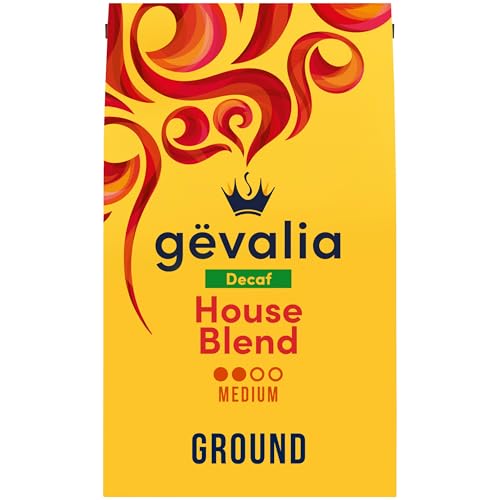
Gevalia House Blend Decaf Medium Roast Ground Coffee 20 oz

Lucy Jo’s Mellow Belly Low Acid Decaf Whole Bean 11 oz

Lifeboost Swiss Water Decaf Whole Bean Coffee 12 oz

Java Planet Organic Peruvian Decaf Whole Bean 16oz

PapaNicholas Decaf Hazelnut Creme Ground Coffee 12 Ounce
More Details On Our Top Picks
Some mornings call for a familiar, no-fuss cup, and this Canadian cafe staple brings that diner-style comfort right to your kitchen. The 100% Arabica beans are roasted to a medium-dark level, which gives the brew a slightly heavier body than typical light decafs. You scoop it straight from the bag into any standard drip machine, and the grind size works well for most automatic brewers without clogging paper filters. For someone transitioning away from regular coffee, the approachable, balanced flavor makes the switch feel less like a compromise.
The 12-ounce bag is a modest size, so heavy daily drinkers might find themselves running through it faster than expected. Store it in an airtight container away from light, and the grounds should hold their character for a few weeks after opening. Compared to later options on this list, this pick skips organic certification and does not specify its decaffeination method. That matters for shoppers who want chemical-free processing, but for purely flavor-driven daily habits, it gets the job done.
Strong Points
- 100% Arabica beans deliver a smoother, less bitter cup than cheaper robusta blends
- Medium-dark roast brings a full body that holds up well to cream and sugar
- Pre-ground format drops right into your drip machine, no grinder required
- Familiar, cafe-style taste that eases the transition off caffeinated coffee
- Widely accessible brand with a consistent flavor profile across batches
Things To Consider
- The 12-ounce bag empties quickly in a two-cup-a-day household
- Decaffeination method is not specified, a gap for anyone avoiding chemical solvents
- Pre-ground coffee loses aroma faster than whole beans, so freshness fades after a few weeks
Key Specs
Right Fit For
Drip machine owners who want a straightforward, comforting daily cup without worrying about grinding beans.
A Better Fit Elsewhere
Shoppers who specifically want chemical-free decaffeination should look at the Lifeboost Swiss Water Decaf Whole Bean Coffee 12 oz instead.
Stepping up in both size and smoothness, this 20-ounce bag offers a noticeably better value per ounce than the Tim Hortons pick. Gevalia slow-roasts their Arabica beans and snap-cools them, a process designed to lock in aromatic compounds before they evaporate. The result is a medium roast that leans mellow and drinkable, with very little of the burnt edge that sometimes haunts darker decafs. Pouring a morning pot of this for a household of two or three coffee drinkers feels comfortable and sustainable.
The larger format makes sense for families or anyone who hates reordering every week. You can also grab multi-pack options, which helps keep the pantry stocked without much thought. Like the first pick, though, Gevalia does not spell out which decaffeination method they use, so purists who care about solvent-free processing might feel left in the dark. Still, for sheer volume and dependable mildness, it earns its place as a solid everyday pantry staple.
Highlights
- 20-ounce bag lasts longer between orders, cutting down on pantry restocks
- Slow-roasted and snap-cooled beans preserve aroma better than standard roasting
- Never-bitter flavor profile sits well on an empty stomach
- Compatible with all standard coffee makers, from drip machines to pour-over setups
Worth Noting
- Decaffeination process is not disclosed on the packaging or listing
- Larger bags lose freshness faster once opened unless you transfer to an airtight container
At A Glance
Made For
Multi-cup households that want a smooth, low-fuss daily brew with less frequent reordering.
Look Elsewhere When
Shoppers who prioritize certified organic beans and low acidity might prefer the Lucy Jo’s Mellow Belly Low Acid Decaf Whole Bean 11 oz for a gentler cup.
Here is where the list shifts from grocery staples to something more craft-focused. Lucy Jo’s roasts in small batches at a family-run facility, and the Mellow Belly blend targets drinkers who struggle with acidic coffee. The beans are decaffeinated using a water process, meaning no chemical solvents touch the coffee, which is a meaningful distinction for anyone monitoring what goes into their body for blood pressure management. A medium-dark roast brings out sweet, earthy notes that sit comfortably on the palate.
The catch is that these arrive as whole beans, so a grinder is non-negotiable. That extra step pays off in freshness, since whole beans hold their flavor longer than pre-ground coffee. You may find the 11-ounce bag a bit small for the price, especially compared to the 20-ounce Gevalia option, but the certified organic label and low-acid formulation justify the premium for sensitive drinkers. Store the beans in a sealed container away from heat, and grind only what you need per pot.
Positives
- Water-process decaffeination avoids chemical solvents entirely
- Certified organic beans grown without synthetic pesticides
- Low-acid formulation sits gently on sensitive stomachs
- Small-batch, hand-roasted approach delivers consistent flavor quality
- Whole bean format preserves aroma far longer than pre-ground options
Small Caveats
- Requires a home coffee grinder, which adds time and equipment to your routine
- 11-ounce bag runs out quickly in a multi-cup household
- Owners commonly report the earthy flavor leans unusual for drinkers used to bright, fruity roasts
Feature Snapshot
Who Will Love This
Home grinders with sensitive stomachs who want an organic, chemical-free cup without harsh acidity.
Consider Something Else When
Anyone wanting third-party lab testing for mycotoxins and heavy metals should step up to the Lifeboost Swiss Water Decaf Whole Bean Coffee 12 oz for that extra assurance.
This is the pick for anyone who treats their morning cup like a health decision as much as a flavor one. Lifeboost grows beans at high elevations in Central America, shade-grown and bird-friendly, then decaffeinates them using the Swiss Water Process. That method uses only water and activated carbon to remove caffeine, leaving the flavor compounds intact without chemical residue. The beans are sun-dried, spring-water washed, and third-party tested for mycotoxins, heavy metals, pesticides, and hundreds of other toxins.
Compared to the Lucy Jo’s pick, this one takes the purity angle several steps further with its single-origin sourcing and extensive lab testing. The low-acid profile also makes it stomach-friendly, which pairs well for anyone managing blood pressure who also deals with digestive sensitivity. Naturally, this level of attention comes at a premium, and the 12-ounce bag sits at the higher end of the spectrum. The honest read is that you are paying for sourcing transparency and testing rigor, not just the coffee itself.
Upsides
- Swiss Water Process removes caffeine without chemical solvents
- Third-party tested for mycotoxins, heavy metals, and pesticides
- Single-origin, shade-grown beans sourced from bird-friendly farms
- Low acid formulation eases stomach discomfort and tooth sensitivity
Trade Offs
- Premium pricing reflects the extensive sourcing and testing, not just the raw beans
- Whole bean format requires a grinder, adding a step to your morning routine
- Subtle flavor profile might underwhelm drinkers who prefer bold, smoky roasts
Quick Facts
Best Suited To
Health-conscious drinkers who want verified purity, single-origin sourcing, and a gentle low-acid cup.
Not Your Match When
Shoppers who want organic beans at a lower price point should grab the Java Planet Organic Peruvian Decaf Whole Bean 16oz for a budget-friendlier alternative.
Sitting between the premium Lifeboost and the grocery staples, Java Planet strikes a practical middle ground. The 16-ounce bag gives you more volume than the 11 or 12-ounce craft options, and the beans are organic, specialty-grade Arabica. Small-batch roasting allows better temperature control, which helps avoid the burnt or bitter taste that ruins cheaper decafs. The Peruvian beans carry a medium-dark roast character with a smooth, rich body.
Like Lucy Jo’s and Lifeboost, this one arrives as whole beans, so plan on grinding fresh for each pot. The brand independently tests for mold and heavy metals, which adds peace of mind without climbing into the premium price tier. You may find the flavor slightly less complex than single-origin craft roasts, but for daily drinking, it holds its own nicely. It is a sensible pick for someone who wants organic certification and tested purity without paying top dollar.
Reasons To Buy
- 16-ounce bag offers better volume than comparably priced craft options
- Organic, specialty-grade Arabica beans grown without synthetic pesticides
- Independently tested for mold and heavy metals
- Small-batch roasting prevents the bitter, burnt notes common in mass-produced decaf
Points To Note
- Whole beans require a grinder, adding a daily prep step
- Flavor depth may not match single-origin craft roasts like Lifeboost
Spec Overview
Perfect Match For
Home grinders who want organic, tested beans at a mid-range price without sacrificing smooth flavor.
Reach For A Different Pick When
Anyone who prefers a ready-to-brew flavored decaf should skip the grinding and try the PapaNicholas Decaf Hazelnut Creme Ground Coffee 12 Ounce instead.
Not everyone drinks coffee purely for the roast character, and this pick leans hard into flavor. PapaNicholas takes 100% Arabica beans, roasts them light, and infuses them with a hazelnut creme profile that turns each cup into a dessert-like experience. The Swiss Water Process handles decaffeination, meaning no chemical solvents strip away the flavor compounds. This is a pre-ground coffee, so it drops straight into your drip machine with zero grinding required.
The light roast keeps the caffeine-free cup bright and approachable, which contrasts nicely with the heavier medium-dark options earlier in this list. You may find the hazelnut flavor a touch sweet for morning espresso drinks, but as an afternoon or evening treat, it hits a comforting note. The 12-ounce bag stores easily in a pantry, though the flavored coating means you should keep it sealed tightly to prevent the aroma from fading. It is a fun, easy-drinking option for anyone who wants their decaf to feel like a small indulgence.
Bright Spots
- Swiss Water Process preserves flavor without chemical solvents
- Full hazelnut creme flavor makes each cup feel like a treat
- Light roast keeps the cup bright and easy to drink
- Pre-ground format skips the grinder entirely for quick brewing
Softer Spots
- Flavored coffees can leave residue in your grinder or brewer basket over time
- Hazelnut sweetness may not suit drinkers who prefer plain, unflavored roasts
- 12-ounce bag runs smaller than the Gevalia or Java Planet options
Feature Rundown
Who Should Grab It
Flavored coffee fans who want a smooth, sweet decaf cup without grinding beans or adding syrups.
Swap It Out When
Drinkers who want a plain, unflavored medium roast for everyday morning use should grab the Tim Hortons Decaf Medium Roast Ground Coffee 12 Ounce instead.
How To Choose The Right Decaf Coffees For High Blood Pressure
Understanding Decaffeination Methods
The way coffee loses its caffeine matters more than most shoppers realize. Two main approaches dominate the market: chemical solvent processes and water-based processes. Solvent methods use compounds like ethyl acetate or methylene chloride to strip caffeine from the beans, which some people prefer to avoid. Water-based methods, including the Swiss Water Process, rely on water and carbon filters to extract caffeine naturally. For anyone managing blood pressure who also wants to minimize chemical exposure, water-processed decaf offers a cleaner path.
Roast Level And Flavor Expectations
Roast depth changes both taste and how the coffee sits in your stomach. Light roasts keep more of the bean’s original character and tend to carry brighter, fruitier notes. Medium and medium-dark roasts bring deeper body and warmth, often with less acidity. Darker roasts can sometimes taste burnt if overdone, which is a common complaint with cheap decaf. Matching roast level to your palate keeps the morning ritual enjoyable rather than a chore.
Whole Bean Versus Pre-Ground
Freshness makes a real difference in decaf, since the decaffeination process already strips some flavor compounds. Whole beans hold their aroma longer because the interior stays protected from oxygen until you grind. Pre-ground coffee trades that freshness for convenience, dropping straight into your brewer without extra equipment. Anyone with a grinder at home benefits from choosing whole beans. Drip machine owners who want speed will appreciate pre-ground options.
Acid Content And Stomach Sensitivity
Low-acid coffee sits easier on sensitive stomachs, which matters for drinkers who experience discomfort from standard cups. Some brands specifically formulate low-acid blends, while others achieve it naturally through bean selection and roasting techniques. Medium-dark and dark roasts generally contain less acid than lighter roasts. Anyone who gets heartburn or stomach upset from regular coffee should look for low-acid labeling to avoid trading one discomfort for another.
Before You Click Buy
Traps First Timers Fall Into
Grabbing the first decaf bag on the shelf often leads to disappointment. Many shoppers overlook the decaffeination method, only to find their coffee tastes flat or carries a chemical undertone. Others buy whole beans without owning a grinder, leaving the bag sitting unused until they give up and order pre-ground. Flavored decafs can also surprise people who expect a plain cup, since the added oils change the taste entirely. Checking the processing method, grind format, and flavor profile before ordering saves both money and frustration.
The Case For Spending Up
Paying more for decaf usually means better sourcing, cleaner processing, and independent testing. Premium options often use single-origin beans, Swiss Water decaffeination, and third-party lab verification for mold or heavy metals. Budget decafs skip these steps, relying on blended beans and undisclosed processing methods. For daily drinkers, the extra cost per cup is small. For occasional cups, a mid-range pick like Java Planet hits the sweet spot between quality and price.
Final Verdict
Finding the right decaf comes down to knowing what you value most. Convenience seekers get their fix with pre-ground staples, while purity-focused drinkers lean toward water-processed whole beans. The honest truth is that no single bag works for everyone, but each pick here serves a specific morning routine well. Pick the one that matches your grinder situation, flavor preferences, and budget. Your mornings deserve a cup that feels intentional, not like an afterthought.
