

Costa Rican beans hold a quiet reputation among people who drink coffee daily. The country’s high-altitude growing regions, cool nights, and volcanic soil tend to produce cups with clean acidity, gentle sweetness, and a finish that lingers without turning bitter. Navigating the options gets tricky fast, whether your morning routine involves a hand grinder and a pour-over cone or a single-serve machine on the way out the door. Some shoppers want whole beans roasted light enough to show off floral and citrus notes, while others prefer pods that deliver a consistent cup with zero cleanup. This roundup walks through six options, each with a different strength, so your kitchen setup and taste preferences point you toward the right bag.
The Shortlist At A Glance
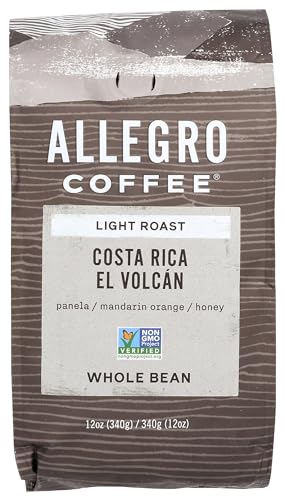
Allegro Coffee El Volcan Whole Bean 12 Ounce
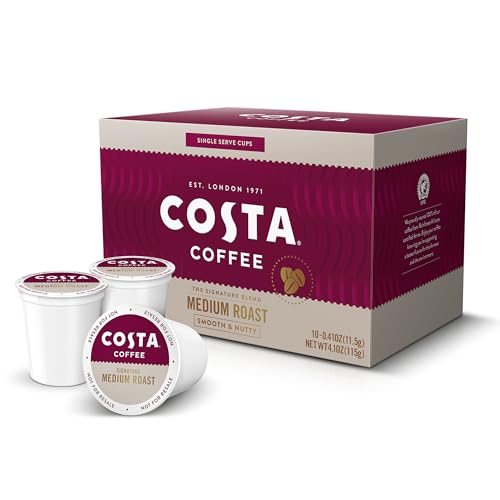
Costa Coffee Pods Medium Roast Signature Blend 10 Count

Good As Gold Costa Rica Tarrazu Whole Bean 12oz

Good As Gold Costa Rica Tarrazu 5lb Whole Bean
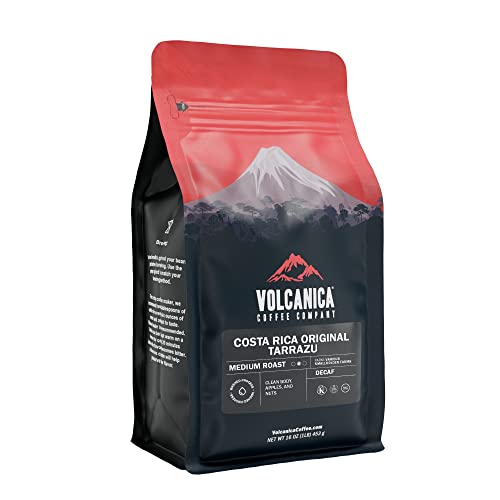
Volcanica Costa Rica Decaf Tarrazu Whole Bean 16-ounce

Atlas Coffee Club Costa Rica Dark Roast Pods 24 Ct
More Details On Our Top Picks
Light roasts divide people, and this bag rewards patience. Allegro’s El Volcan leans into delicate flavor notes like panela (an unrefined cane sugar with molasses depth) and mandarin orange, characterizations that shine through clearest with a pour-over or a slow drip brew. Pour a cup from a French press and you’ll still taste the brown sugar and toasted almond, just with a heavier body that rounds off the brightness. For anyone used to dark, smoky roasts, this profile may read as almost tea-like at first.
Allegro sources from Costa Rica’s Tarrazu region, an area known for high altitudes and cool nights that slow bean maturation and concentrate sugars. You benefit from a cup that stays sweet and clean rather than turning bitter, even as it cools. This one suits someone who brews a single cup at a time and pays attention to grind size and water temperature.
Strong Points
- Light roast preserves the citrus and honey notes that Costa Rican beans are known for, so your cup tastes sweet without added sugar.
- Whole bean format lets you dial in grind size for your specific brewer, a flexibility pre-ground bags cannot match.
- Rainforest Alliance certification means the farms meet standards for environmental stewardship and worker welfare.
- Kosher certification widens the audience for anyone keeping kosher at home.
- The 12-ounce bag is small enough to finish within two to three weeks of opening, keeping the beans from going stale before you finish them.
Things To Consider
- Because the flavor leans delicate, adding heavy cream or flavored syrups tends to bury the nuances that justify the price point.
- Light roasts carry slightly more acidity than darker profiles, which may not suit anyone sensitive to brighter cups, especially on an empty stomach.
- Keeping the beans in the original bag after opening usually means faster oxidation, so transferring to an airtight canister extends the shelf life.
At A Glance
Who Will Love This
Home baristas who brew pour-over or drip, grind fresh, and prefer a cup that tastes like the bean rather than the roast.
A Better Fit Elsewhere
Anyone wanting a heavier, darker cup with less acidity will get more satisfaction from the Good As Gold Costa Rica Tarrazu 5lb Whole Bean, which leans toward a darker roast profile.
Not everyone has five minutes to grind and brew. Costa’s medium roast pods are built for the person who hits the button, grabs the mug, and walks out the door. These capsules use Colombian Arabica beans rather than Costa Rican-grown coffee, but the brand’s café heritage and the smooth, nutty profile make them a reasonable entry point for anyone who associates the word “Costa” with their morning routine. The caramelly flavor lands squarely in approachable territory, meaning it won’t challenge your palate, but it won’t bore you either.
Compatibility is the real selling point here. These pods work with standard single-serve brewing systems, so you don’t need proprietary hardware. Compare that to the Atlas pods later in this list, which are Keurig-specific, and the broader compatibility may matter depending on your machine. You can buy them in 10-count, 30-count, 40-count, or 60-count packs, which lets you scale up once you know you like the flavor.
Highlights
- Pod format eliminates grinder cleanup, measuring, and filter handling, shaving real time off a rushed weekday morning.
- The caramelly medium roast takes milk and creamer well without losing its underlying nutty character.
- Multiple pack sizes let you start with a small box to test the flavor before committing to a larger supply.
- Colombian Arabica beans give the cup a smooth, mellow profile that avoids harsh bitterness.
Trade Offs
- Despite the brand name, these pods contain Colombian beans rather than Costa Rican-grown coffee, which may surprise anyone expecting a Tarrazu cup.
- Pre-ground pod coffee loses aromatics faster than whole beans, so the cup will never taste as vibrant as a fresh grind from Allegro’s El Volcan.
- Aluminum or plastic pod waste adds up over time, an environmental cost worth weighing depending on your household’s recycling setup.
Quick Facts
Right Fit For
Commuters and office workers who need a consistent, drinkable cup in under a minute and don’t want to wash a French press.
Reach For A Different Pick When
Anyone specifically seeking single-origin Costa Rican beans in pod form will be better served by the Atlas Coffee Club Costa Rica Dark Roast Pods 24 Ct, which packs a genuine Costa Rican single-origin into a compatible capsule.
Good As Gold takes a different approach from Allegro’s light roast. This Tarrazu is a medium roast, small-batch finished in a custom-built air roaster that tends to produce a cleaner, more even bean surface than traditional drum roasting. The result lands between bright and bold, with honey sweetness up front and a dark chocolate finish that hangs around pleasantly. For a standard morning drip brew, this profile hits a comfortable middle ground that takes milk well but still rewards drinking it black.
The 12-ounce bag is a standard size, but Good As Gold also offers an 80-ounce option for anyone stocking a busy kitchen. That flexibility is handy, though the 12-ounce bag remains the smarter starting point. You’ll want to finish it within a few weeks of opening, since the one-way valve bag keeps oxygen out until you break the seal but can’t protect the beans once they’re exposed to air.
Plus Points
- The honey and dark chocolate tasting notes come through clearly in a standard drip brew, so you don’t need specialty equipment to taste what you paid for.
- Small-batch air roasting produces a more consistent roast level, meaning fewer scorched beans that throw bitterness into your cup.
- Medium roast strikes a balance that works for both black coffee drinkers and those who add milk.
- Multiple size options, from 12 ounces to 5 pounds, let you match your buying volume to your actual consumption.
Softer Spots
- The flavor profile sits firmly in crowd-pleasing territory, meaning it lacks the distinctive citrus or floral notes that make Costa Rican coffees exciting for adventurous palates.
- Air-roasted beans can lose freshness slightly faster than drum-roasted ones, so storing in a sealed canister matters more here than usual.
Feature Snapshot
Built With In Mind
Everyday drip coffee drinkers who want a reliable, balanced Tarrazu cup without chasing rare or delicate flavor notes.
Swap It Out When
Anyone who finds this medium roast too safe will appreciate the Allegro Coffee El Volcan Whole Bean, which pushes into brighter, more complex light-roast territory.
Same roaster, same region, very different strategy. This 5-pound bag from Good As Gold takes the Tarrazu profile and pushes the roast slightly darker than the 12-ounce version, creating a cup that reads as bolder and more full-bodied. That extra roast depth makes sense when you’re brewing for a crowd, since heavier flavors cut through milk and sugar without disappearing. Offices, large families, and anyone running a small café setup will find the volume practical, assuming you go through coffee fast enough to keep it fresh.
The beans ship in a one-way valve bag that lets carbon dioxide escape without letting oxygen in, a standard but important feature for bulk coffee. Good As Gold notes that beans are roasted within two to three weeks of shipping, which is a tighter window than most grocery-store bags can claim. The honest read is that five pounds is a lot of coffee for a single household, so this option makes the most sense when multiple people are pulling shots or pouring cups daily.
Reasons To Buy
- Bulk format drops the cost per cup significantly compared to buying multiple 12-ounce bags, assuming you consume coffee at a steady pace.
- The darker side of medium roast produces a cup that holds its own against cream and sugar without losing structure.
- One-way valve bag preserves freshness during shipping and storage, letting the beans degas properly before you open them.
- Roasted within two to three weeks of shipping, a freshness standard that beats most supermarket whole beans.
Room For Improvement
- Five pounds of whole beans will go stale before a solo drinker can finish them, so this format only works for high-volume kitchens.
- The darker roast level, while good for milk drinks, pushes past the delicate origin notes that make Costa Rican coffee distinctive.
- Once the bag is open, you’ll need a large airtight container to hold the remaining beans, since the original packaging won’t reseal effectively.
- Bulk bags are harder to store in standard kitchen cabinets due to their size and shape.
Feature Rundown
Who Should Grab It
Offices, large families, and anyone brewing multiple pots a day who wants a reliable Tarrazu at a volume that makes economic sense.
Look Elsewhere When
A single drinker or a two-person household will waste beans at this volume and would be better off with the Good As Gold Costa Rica Tarrazu Whole Bean 12oz, which offers the same roaster at a manageable size.
Decaf coffee carries a reputation problem, and Volcanica quietly addresses it. This Tarrazu uses the Swiss Water Process, a decaffeination method that relies on water and carbon filtration rather than chemical solvents to remove caffeine. The result retains far more of the bean’s original flavor than solvent-based methods, which tend to strip out aromatics along with the caffeine. You still get the bright, balanced character that Costa Rican beans are known for, just without the jitter.
The 16-ounce bag gives you a bit more volume than the standard 12-ounce options, which makes sense for someone who drinks decaf regularly rather than just keeping a bag for guests. Volcanica also highlights that the beans undergo lab analysis for mycotoxins and mold, a step that adds peace of mind for anyone cautious about coffee quality. The subtle chocolate flavor in the cup comes through best with a pour-over or drip brew, and you may find the body slightly lighter than a caffeinated Tarrazu, depending on your brew ratio.
Bright Spots
- Swiss Water Process avoids chemical solvents, keeping the bean’s original flavor compounds more intact than conventional decaf methods.
- Lab testing for mycotoxins and mold adds a layer of quality assurance that most decaf brands don’t mention.
- The 16-ounce bag provides better per-ounce value than smaller decaf options, assuming you drink decaf more than occasionally.
- Rainforest Alliance certification signals responsible sourcing practices at the farm level.
- Whole bean format lets you grind fresh, which matters more for decaf since the flavor is already more delicate than caffeinated coffee.
Small Caveats
- Decaf beans, even Swiss Water Processed, lose some aromatics during decaffeination, so the cup won’t taste quite as vibrant as a caffeinated Tarrazu from the same region.
- The 16-ounce bag may go stale before a casual decaf drinker finishes it, so freshness management matters more here than with smaller bags.
Core Details
Whose Shelf It Belongs On
Evening coffee drinkers and anyone avoiding caffeine who still wants a cup with genuine origin character rather than flat, generic decaf.
Skip It When
Anyone who drinks caffeinated coffee without restriction will get more flavor complexity from the Allegro Coffee El Volcan Whole Bean, which skips the decaffeination step entirely and keeps every aromatic intact.
Pod coffee rarely delivers single-origin character, and Atlas makes a genuine attempt to close that gap. These Keurig-compatible pods pack 20% more ground coffee into each capsule than standard pods, a design choice that directly addresses the thin, watery cups that plague many single-serve brews. The Costa Rica dark roast brings tasting notes of spiced fig, molasses, and roasted hazelnut, a combination that reads as warm and dessert-like rather than bright and acidic. You’ll get the most out of this profile drinking it black or with a splash of milk.
The pods are recyclable, which puts them a step ahead of many plastic capsules that end up in landfill. Atlas also offers other origins in the same pod format, including Tanzania, El Salvador, and Ethiopia, so you can explore different regions without changing your hardware. Compared to the Costa pods reviewed earlier, these carry genuine Costa Rican beans and a bolder roast level, which makes them a better fit for anyone who finds standard pod coffee too weak.
Best Bits
- The 20% extra coffee per pod produces a stronger, more flavorful cup than standard Keurig pods, solving the common “watery coffee” complaint.
- Single-origin Costa Rican beans give you a taste of the region without needing a grinder or pour-over setup.
- Recyclable pods reduce the environmental footprint compared to non-recyclable plastic capsules.
- Dark roast profile with fig, molasses, and hazelnut notes delivers a bold cup that holds up to milk without tasting flat.
Points To Note
- Keurig compatibility means these pods won’t work in Nespresso or other proprietary systems, so your machine determines whether they’re an option at all.
- Dark roast in pod form still can’t match the flavor clarity of freshly ground whole beans from a bag like Allegro’s El Volcan.
- Recyclability depends on your local facility accepting the pod material, so the environmental benefit varies by location.
Spec Overview
The Right Fit
Keurig owners who want single-origin Costa Rican coffee with more body and flavor than standard pods deliver.
Another Choice May Suit
Anyone whose machine takes generic pods rather than Keurig-specific capsules will find broader compatibility with the Costa Coffee Pods Medium Roast Signature Blend, which works across more single-serve systems.
How To Choose The Right Costa Rican Coffees
Match the Roast to Your Brewing Method
Costa Rican beans flex across roast levels, but the brewing method you use at home should guide your choice. Light roasts, like Allegro’s El Volcan, preserve the delicate citrus and floral notes that high-altitude Tarrazu beans are known for. These flavors shine brightest with pour-over or drip brewing, where clean water flow extracts the subtleties without muddying them. Medium roasts, such as the Good As Gold 12-ounce Tarrazu, hit a middle ground that works in a French press, drip machine, or AeroPress. Dark roasts, like the Atlas pods, lean into boldness and bitterness, which suits pod brewers and anyone who adds milk or cream. Matching roast to method is the single biggest factor in getting a cup that tastes the way the roaster intended.
Whole Bean Versus Pod: Be Honest About Your Routine
Whole bean coffee gives you the freshest, most flavorful cup, but only when you grind right before brewing. That requires a grinder, thirty extra seconds, and a willingness to clean up grounds. Pods trade flavor for convenience, and the trade-off is real. Pre-ground coffee inside a pod loses volatile aromatics within days of packaging, so the cup will never taste as vibrant as a fresh grind. The honest question is how often you brew and how much time you have. Someone making one cup before a 7 AM commute may never use a grinder, making pods the practical choice. Someone who lingers over a weekend brew with a kettle and a scale will find pods frustratingly thin.
Bag Size and Freshness: Buy What You Can Finish
Coffee beans start losing flavor within two weeks of opening the bag, and that timeline accelerates once the beans are ground. A 12-ounce bag holds enough for roughly 20 to 24 cups, which a solo drinker can finish in two to three weeks at one cup a day. A 5-pound bag contains roughly 150 cups, which only makes sense for a multi-person household or an office. Buying bulk saves money per cup, but only when the beans stay fresh long enough to deliver their full flavor. Storing beans in an airtight container away from light and heat extends their usable life, but nothing reverses staling once it starts. Match your bag size to your actual consumption rate, not your aspirational one.
Decaf Without Compromise
Decaf used to mean flavorless, but processing methods have improved significantly. The Swiss Water Process, used by Volcanica’s Tarrazu decaf, removes caffeine using water and activated carbon filters rather than chemical solvents. This method preserves more of the bean’s original flavor compounds, resulting in a cup that tastes closer to regular coffee than older decaf methods allowed. Anyone drinking decaf regularly should look for Swiss Water or CO2 processing, since these methods retain the most origin character. Cheaper decaf often uses solvent-based methods that strip flavor along with caffeine, leaving a flat cup. Reading the packaging for the decaffeination method tells you a lot about what the coffee will taste like before you brew it.
Before You Click Buy
Traps First Timers Fall Into
Buying Costa Rican coffee based on the name alone is the most common misstep. Not every product with “Costa” in the title contains beans grown in Costa Rica, as the Costa Coffee pods demonstrate with their Colombian Arabica. Reading the origin information on the packaging or product page prevents that surprise. Another frequent slip is buying a 5-pound bag because the per-cup cost looks attractive, only to watch half the beans go stale before finishing them. Freshness always beats volume for flavor. Storing bulk beans in the freezer doesn’t fully halt staling either, since temperature fluctuations each time you open the container introduces condensation that degrades the grounds.
The Case For Spending Up
Higher-tier Costa Rican coffees justify their cost through sourcing transparency, roasting precision, and quality controls that commodity brands skip. Single-origin beans from named regions like Tarrazu cost more than blended offerings because they come from specific farms at specific altitudes, and the roaster can trace the lot back to its harvest. Small-batch roasting, as Good As Gold uses, produces more even roasts than industrial drum roasting at scale. Testing for mycotoxins and mold, as Volcanica does, adds lab costs that get passed along but provide real quality assurance. Spending up makes sense when you drink coffee black, brew carefully, and can taste the difference between a generic cup and one with distinct origin character. Anyone adding heavy flavored creamer won’t notice the gap, so the upgrade may not pay off for every palate.
Closing Thoughts
Costa Rican coffees earn their reputation through clean, balanced cups that work across brewing methods and flavor preferences. Your choice comes down to how you brew, how much time you spend on it, and whether you want a bright light roast or a bold dark one. The options here cover the spectrum from whole bean to pod, caffeinated to decaf, and 12-ounce to 5-pound. Pick the one that matches your actual routine, not the routine you wish you had, and your mornings will taste better for it.
