

Commercial coffee machines earn their keep in places where the line does not stop, the staff rotates, and the coffee has to stay steady from the first cup to the last. You need the right mix of speed, capacity, milk handling, counter space, and cleaning ease, because the wrong fit turns every rush into a small headache. This roundup keeps the focus on real use, from offices and lobbies to cafes, break rooms, and home setups that run hard. You will see which models suit simple drip service, which ones handle espresso work, and which ones make the most sense for smaller counters.
A Quick Look At The Shortlist

BUNN VP17-1SS Pourover Coffee Brewer 1-Warmer

Ninja Luxe Café Pro Series ES701
SYBO 12-Cup Commercial Pour Over Coffee Maker SF-CB-2GA
Philips 4400 Series Fully Automatic Espresso Machine EP4444/90

BUNN VPS 12-Cup Pourover Commercial Coffee Brewer 3 Warming Stations

BUNN VP17-3 12-Cup Low Profile Pourover Commercial Coffee Maker 3 Lower Warmers

Keurig K-2500 Single Serve Commercial Coffee Maker

PHILIPS 5500 Series Fully Automatic Espresso Machine EP5544/94
More Details On Our Top Picks
This Bunn leans into straightforward brew-and-serve service, which suits a small counter, office station, or a home setup that sees a lot of traffic. The stainless steel body gives it a more durable feel than the lighter, more feature-heavy machines later in this list, and the single warmer keeps one pot ready without adding complexity.
The honest trade-off is that you are buying a simple pourover brewer, not a drink station with milk features or multiple brew styles. That makes it a better fit for places that value consistency and speed over menu variety, especially where staff want one routine and very little fuss.
Strong Points
- Stainless steel construction suits frequent use and wipes down easily.
- Single-warmer layout keeps one pot ready for serving.
- Pourover design avoids plumbing, which helps in flexible locations.
- Simple operation works well for rotating staff or shared counters.
Points To Note
- One warmer limits holding capacity compared with multi-warmer models like the Bunn VPS.
- It focuses on drip coffee only, so you will not get espresso or milk drink options.
- Routine cleaning still matters, especially around the brew path and warmer plate.
Quick Facts
Who It Suits Best
Office kitchens, church halls, and small service counters benefit most from this no-nonsense brewer.
A Better Fit Elsewhere
The Keurig K-2500 Single Serve Commercial Coffee Maker suits mixed-traffic break rooms better, since it gives each person a single cup without brewing a full pot.
Compared with the simpler Bunn brewers, this Ninja is built for someone who wants espresso, drip coffee, cold brew, and hot water from one footprint. The integrated tamper helps shape the coffee puck, which is the compact bed of grounds inside an espresso basket, and the built-in grinder trims down the number of separate tools you need on the counter.
That flexibility comes with a little more learning, though the guided design should suit a kitchen where one person wants cappuccinos and another wants a plain hot cup. For households that serve different tastes every morning, it feels more like a compact coffee station than a basic machine.
What We Like
- Four brewing paths cover espresso, drip, cold brew, and hot water.
- Built-in grinder reduces countertop clutter and extra prep steps.
- Integrated tamper helps keep espresso prep more consistent.
- Hands-free frothing suits cappuccinos, lattes, and milk-based drinks.
- Useful for mixed drink habits in one household.
Areas To Watch
- More functions usually mean more parts to clean and maintain.
- The learning curve is steeper than a plain brewer like the Bunn VP17-1SS.
- Counter space matters, since all-in-one systems tend to spread out a bit.
Feature Rundown
Built With In Mind
Home coffee stations and shared kitchens suit this model well, especially where drink preferences vary from one person to the next.
Another Choice May Suit
The Philips 5500 Series Fully Automatic Espresso Machine fits better for anyone who wants more preset variety and a more automated milk workflow.
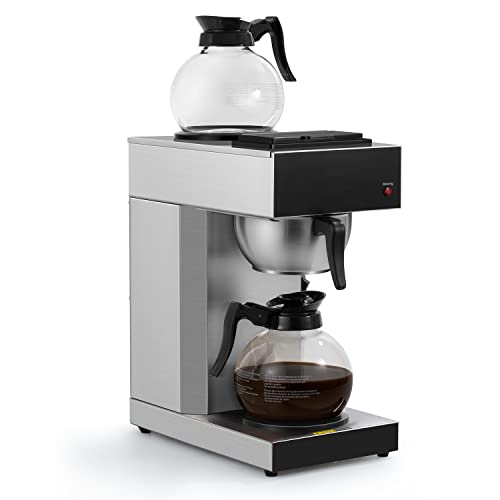
This SYBO is the kind of brewer that makes sense in an office or breakfast service where speed matters more than ceremony. The stainless body and reusable brew basket keep the setup straightforward, and the spray head helps distribute water across the grounds more evenly than a basic pour-over funnel.
Unlike the Bunn VP17-1SS, it arrives with two glass carafes, which is useful in a setting where one pot is serving while the next is already ready. The trade-off is that glass carafes ask for a bit more care in a busy kitchen, so this suits crews that stay organized and keep a close eye on handling.
Highlights
- Brews up to 12 cups for shared service.
- Reusable basket cuts down on disposable filter use.
- Spray head helps saturate grounds more evenly.
- Two included carafes make back-to-back serving easier.
Minor Gripes
- Glass carafes need careful handling in busy spaces.
- It stays focused on drip brewing, so menu range is narrow.
- Best performance depends on regular cleaning around the basket and spray area.
At A Glance
Right Fit For
Front desks, conference rooms, and small hospitality setups get the most from this brewer.
Look Elsewhere When
The BUNN VPS 12-Cup Pourover Commercial Coffee Brewer suits locations that need three warming stations and a little more holding flexibility.
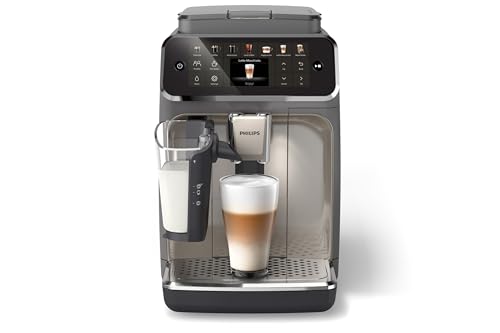
Where the earlier entries focus on drip simplicity, this Philips shifts into one-touch espresso territory with a lot less manual work. The LatteGo milk system handles steaming, foaming, and frothing in a way that suits lattes and cappuccino-style drinks, while the integrated grinder keeps the coffee path fully contained.
For a household that likes a hot espresso one hour and an iced drink the next, the 12 preset options give you room to move without rebuilding the routine every time. The honest read is that this makes more sense for people who appreciate convenience and drink variety more than those who only want a plain black cup.
Upsides
- One-touch workflow handles grinding, tamping, and brewing.
- LatteGo simplifies milk drinks for everyday use.
- 12 presets give you a wider menu than the drip-only brewers here.
- Color display makes strength, volume, and froth changes easier to manage.
- Two saved profiles help households keep personal drink settings handy.
Small Caveats
- Automatic machines usually take more cleaning attention than plain brewers.
- It asks for a little more patience than a simple pourover unit like the Bunn VP17-3.
- Those who only need basic coffee service may find the extra features more than necessary.
Technical Sheet
Made For
Homes and shared kitchens that want cafe-style drinks without a separate grinder, frother, and espresso machine fit this one best.
Skip It When
The Bunn VP17-3 is the cleaner fit for a setting that only needs fast pots of drip coffee and not milk drinks at all.
This Bunn keeps the basic pourover formula but adds more holding flexibility than the single-warmer VP17-1SS. Three warming stations mean you can keep several decanters ready, which helps in meeting rooms, church kitchens, and self-serve stations that run through a steady crowd.
The low profile is useful on counters that cannot give up much vertical space, and the stainless steel hood and base are the sort of surfaces that usually clean up without drama. One thing worth considering is that servers are sold separately, so the machine itself solves the brewing part, not the full serving setup.
Best Bits
- Three warmers support multiple decanters at once.
- Low profile shape fits under many cabinets and shelves.
- Pourover design keeps installation simple.
- Stainless steel exterior suits frequent wipe-down care.
Worth Noting
- Servers are not included, so you need to plan that separately.
- It only covers drip coffee service, unlike the Ninja Luxe Café Pro Series.
- More warmers mean a little more coordination in daily use.
Core Details
Who Will Love This
Busy self-serve spots and smaller food service counters get strong value from the extra warming capacity.
Where A Sibling Pick Shines
The BUNN VP17-3 suits a counter-height space a little better, especially where you want the same commercial pace in a lower-profile body.
Among the Bunn brewers in this lineup, this one sits in a sweet middle ground, because the low profile body and three lower warmers make it fit where space is tighter but service demand is still real. The stainless steel exterior should suit daily wipe-downs, and the SplashGard funnel is there to push hot liquid away from hands during use.
You may find it especially useful in lunchrooms and break areas where a compact footprint matters more than extra drink options. It is still a pure pourover drip machine, though, so the trade-off is the same as with the other simple brewers, fewer bells, fewer cleanup chores, and a narrower menu.
Reasons To Buy
- Low profile design helps under-cabinet placement.
- Three lower warmers keep multiple pots ready.
- Stainless exterior fits routine commercial cleaning.
- SplashGard funnel adds a practical handling benefit.
Room For Improvement
- No milk, espresso, or specialty drink functions here.
- Needs the right decanters and routine upkeep to stay smooth.
- Busy places that want faster individual drinks may prefer the Keurig K-2500.
Details At A Glance
Whose Shelf It Belongs On
Counter-service kitchens, break rooms, and compact hospitality stations are the right home for this brewer.
Consider Something Else When
The Philips 4400 Series is a stronger fit for households that want espresso drinks and milk foam rather than plain batch coffee.
This Keurig fits the sort of place where people arrive at different times and want different cup sizes without waiting for a full pot. The flexible installation option is the real hook here, because plumbed use suits heavier traffic while the optional 110 oz reservoir gives a little more placement freedom.
Compared with the Bunn batch brewers, the K-2500 is far better for break rooms that split demand into individual servings. The trade-off is that you are stepping away from shared pot service, so it makes less sense in a setting that needs one large brew to cover a crowd.
Best Bits
- Single-serve format keeps individual waits short.
- Plumbed or reservoir setup adds installation flexibility.
- Works well in offices with mixed beverage habits.
- Touchscreen control suits straightforward daily use.
Honest Caveats
- Not a match for serving several people from one pot.
- Single-serve pods add ongoing supply management.
- Reservoir or plumbing choice should match your space and traffic pattern.
Feature Snapshot
The Right Fit
Shared offices, waiting rooms, and break areas where people want personal servings will get the most from this machine.
Swap It Out When
The SYBO 12-Cup Commercial Pour Over Coffee Maker fits better for crews that still want one batch brewing routine and a pair of glass carafes on hand.
This Philips pushes hardest on convenience, variety, and drink customization, so it suits a home coffee setup that wants more than the usual espresso routine. The ceramic grinder is a nice touch for people who prefer a grinder material known for staying calm under heat, and the LatteGo system keeps milk prep neatly folded into the machine.
With 20 presets, it gives you more drink paths than the Philips 4400, which makes the upgrade easier to justify in a house with several coffee habits under one roof. The honest trade-off is simple: more drink variety usually means more menu decisions and a little more care during cleanup.
Positives
- 20 presets cover a wide range of hot and iced drinks.
- LatteGo handles milk work without extra accessories.
- Ceramic grinder adds a durable, low-fuss grinding surface.
- Strength, milk, and cup size controls help shape drinks to taste.
- Saved profiles make repeat drinks easier.
Areas To Watch
- That many options take more learning than a basic brewer.
- Automatic milk and grinder systems need regular care.
- It makes less sense for someone who only wants plain drip coffee.
Core Details
Who Should Grab It
Households that want an espresso machine with enough variety for guests and family routines will get the most value here.
Another Choice May Suit
The BUNN VP17-3 is the cleaner match for a service counter that wants simple drip coffee and three warmers instead of a full espresso menu.
How To Choose The Right Commercial Coffee Machines
Brew Style Comes First
Start with the drink style your space actually serves. A batch brewer such as the Bunn VP17-3 or SYBO 12-Cup model works well for shared coffee service, while the Keurig K-2500 fits places that need single cups throughout the day. Espresso-focused homes and lounges get more value from the Philips machines or the Ninja Luxe Café Pro Series.
The key is matching output to demand, not chasing the most functions. A complicated espresso setup can be a great tool, but it is overkill in a break room that only needs straightforward coffee refill after refill.
Counter Space And Setup Matter
Low-profile brewers like the Bunn VPS are easier to tuck under cabinets, and pourover machines avoid the need for plumbing. That matters in temporary service areas, older buildings, and kitchens where the layout is already tight.
Plumbed options make more sense where traffic stays high and someone is available to maintain the system. Reservoir-based or pourover machines give you placement freedom, but they also ask you to think about refilling and daily handling.
Milk Systems And Grinder Details Add Up
Milk handling is where many shoppers overestimate what they need. A LatteGo-style system or a hands-free frother helps with cappuccinos and lattes, but it also means more parts to rinse and dry after use.
Integrated grinders reduce countertop clutter and cut down on separate equipment, which is handy in a busy kitchen. Ceramic and steel grinders each have their own feel in use, yet the bigger question is whether fresh grinding belongs in your daily workflow at all.
Warmers, Carafes, And Servicing Pace
Multiple warming stations matter most in spots that serve several pots at once, such as meeting rooms, church halls, and breakfast counters. One warmer is enough for a smaller station, but three warmers give you more breathing room during a rush.
Carafe material also changes daily handling. Glass carafes feel familiar and clean well, yet they ask for more care than a heavier service vessel, so the right choice depends on who is pouring and how busy the space gets.
What To Weigh Before You Decide
Common Shopping Slip Ups
Many people focus on brew speed and forget the rest of the workflow. Cleaning time, warmers, carafe handling, and the amount of counter the machine actually occupies matter just as much in real service.
Another common miss is choosing too much machine for the job. A full espresso system can feel impressive, but a simple pourover brewer may serve a break room better and with less daily upkeep.
The Case For Spending Up
Higher-tier machines usually add automation, more drink options, better milk handling, and built-in grinders. That extra cost goes toward convenience and consistency, especially in homes or service areas where people want different drinks from the same machine.
Spending up makes sense when the machine replaces several separate tools. It matters less when your space only needs a pot of coffee and a warm plate.
Closing Thoughts
You can narrow this category fast once you decide whether your space needs pots, single cups, or espresso drinks. The Bunn brewers stay focused and durable, the Keurig K-2500 serves individual cups with less waiting, and the Philips and Ninja models bring more drink variety for homes that want cafe-style results. Match the machine to the daily rhythm of the room, and the choice gets much easier.
