

You want espresso grounds that stay consistent through a hectic morning, not a grinder that turns the counter into a dust cloud. The picks below lean toward control, repeatability, and easy day-to-day use, with enough range for home baristas, office setups, and small service counters.
Some are compact and straightforward, while others push into heavier build materials, wider burrs, and finer dose control. That mix helps you match the grinder to your workflow instead of settling for a machine that only looks serious.
Quick Look At The Shortlist

SHARDOR Conical Burr Espresso Coffee Grinder Electric
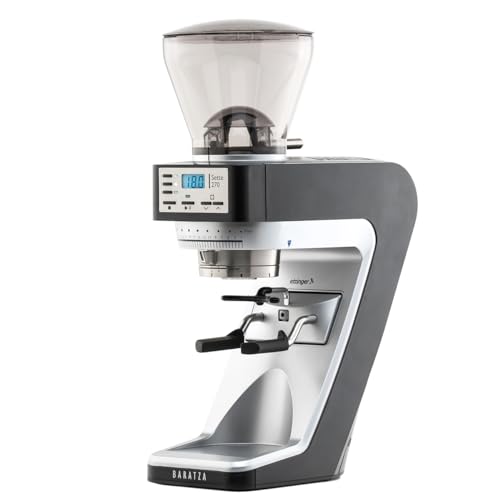
Baratza Sette 270 Conical Burr Coffee Grinder

Tuni G1 Conical Burr Coffee Grinder Silver

Tuni G1 Conical Burr Coffee Grinder Ivory

Tuni G1 40mm Conical Burr Coffee Grinder Black

AMZCHEF 64mm Flat Burr Coffee Grinder

SHARDOR 64mm Flat Burr Coffee Grinder Black

SHARDOR 64mm Flat Burr Coffee Grinder White
More Details On Our Top Picks
For a home espresso station that needs real control without a complicated footprint, this SHARDOR leans in the right direction. The touchscreen, 51 grind steps, and timed dosing make it easier to land on a repeatable routine for a morning shot or a couple of cappuccinos.
The stainless steel build keeps the look clean, and the anti-static design should help cut down on cling around the grinder chamber. The honest trade-off is that this feels aimed more at organized home use than a high-output counter, so you get precision first and heavier-duty throughput second.
Strong Points
- 51 grind steps give you room to fine-tune espresso without jumping in coarse, awkward chunks.
- The touchscreen layout keeps daily adjustments straightforward, which helps during busy mornings.
- Precision timing supports more repeatable doses, useful when you want one cup to taste like the last one.
- Stainless steel trim gives the unit a sturdier, easier-to-clean feel than many plastic-heavy home grinders.
Things To Consider
- The home-use focus makes it a stronger fit for kitchens than for constant café-style service.
- Touch controls are convenient, but they can feel less tactile than a physical dial for some users.
- Anti-static help is useful, though grind retention still deserves normal cleanup now and then.
Feature Snapshot
Who It Suits Best
Home espresso drinkers who want clear settings, simple timing, and a tidy countertop layout should feel right at home here.
A Better Fit Elsewhere
The Baratza Sette 270 Conical Burr Coffee Grinder suits a more serious espresso workflow, especially for someone who values faster, more specialized dose control.
Baratza’s Sette 270 is the kind of grinder that makes sense for someone dialing in espresso regularly and wanting fast, repeatable workflow. Three programmable dose buttons and the choice to grind into a portafilter or bin give it a practical edge over the more home-centered SHARDOR model above.
The real draw is speed paired with consistency, especially in kitchens where you make the same drinks every day and want less fiddling between shots. One thing worth considering is that its specialized espresso focus is a strength, but it also means you may not care as much for it if drip or cold brew shares the counter equally.
Highlights
- Programmable dosing buttons make repeat shots easier to manage across a busy week.
- Grind delivery into a portafilter fits an espresso-first routine well.
- The direct, purpose-built layout keeps the workflow efficient for frequent use.
- Backed by a long-standing brand name in the coffee space, which can matter to cautious shoppers.
Softer Spots
- The espresso-first design is less flexible than broader multi-brew grinders.
- It makes more sense for a focused station than for a casual all-purpose setup.
- Users who prefer simple, hands-on adjustment may want a less specialized interface.
Core Details
Who Will Love This
Serious espresso drinkers who make the same drinks often and want a fast, repeatable routine are the strongest match here.
Where A Sibling Pick Shines
The AMZCHEF 64mm Flat Burr Coffee Grinder makes more sense for a higher-volume setup that benefits from a heavier, more commercial-style feel.
The silver Tuni G1 sits in a useful middle ground, with enough grind settings to handle espresso in the morning and a coarser brew later in the day. The 40mm conical burr and electronic timer give it a controlled feel that fits a household juggling more than one brewing method.
Compared with the Baratza Sette 270, this one reads as less specialized and easier to picture in a mixed-use kitchen. The trade-off is simple, you gain versatility, but you give up some of the focused espresso identity that dedicated shot chasers tend to prefer.
Reasons To Buy
- 48 grind settings leave room for espresso, drip, cold brew, and French press.
- The adjustable timer helps keep dose size more predictable from one morning to the next.
- LED touch controls make changes feel quick and organized.
- Anti-static features should help reduce cling and mess around the grounds path.
- Silver finish gives it a clean, modern look without calling too much attention to itself.
Room For Improvement
- Mixed-brew flexibility means it is not as laser-focused as a dedicated espresso specialist.
- The touch interface may not satisfy someone who wants a heavier mechanical feel.
- Regular wipe-downs still matter, especially around the grounds chute and cup area.
At A Glance
Built With In Mind
Households that move between espresso, drip coffee, and French press without wanting several machines should find this Tuni a sensible fit.
Look Elsewhere When
The SHARDOR 64mm Flat Burr Coffee Grinder Black suits you better if you want a larger flat-burr setup with more adjustment steps and a stronger espresso-first lean.
The ivory version of the Tuni G1 keeps the same 48-setting format, but the color gives it a softer presence on the counter. In a bright kitchen, that matters more than it sounds, because a grinder sits out in the open every day and the finish becomes part of the room.
Compared with the silver model, this one is mainly about visual preference, not a different brewing personality. The stainless steel and anti-static setup should still suit routine home use, though the all-white look can ask for a little more attention to keep it looking crisp.
Upsides
- Ivory finish blends easily into lighter kitchens and open shelves.
- The 48-step range gives you the same brewing flexibility as the silver Tuni G1.
- Touchscreen control keeps daily use familiar and simple.
- Stainless steel construction should help the exterior feel more durable than plain plastic.
Areas To Watch
- The lighter finish may show marks sooner than darker colorways.
- It shares the same mixed-use design approach, so espresso-only users may want more specialization.
- Counter placement matters, because the white body will stand out in a darker setup.
Details At A Glance
The Right Fit
Home kitchens that value a cleaner visual profile and still need a flexible grinder for daily brewing should find this version appealing.
Another Choice May Suit
The Tuni G1 Conical Burr Coffee Grinder Black is a more understated match for spaces that need the same function in a darker finish.
The black Tuni G1 feels like the safest all-around version in the group, especially for kitchens where one grinder has to cover espresso, drip, and the occasional cold brew. The 40mm conical burr, 48 settings, and electronic timer make it easy to see why it lands as a daily-use choice rather than a niche machine.
Compared with the ivory model, you get a darker finish that blends in more quietly and usually hides day-to-day marks better. The compromise is the same as with the other G1 units, it is versatile and convenient, but it still reads as a home-centered grinder rather than a heavy café workhorse.
Plus Points
- Black finish fits easily beside most appliances.
- 48 grind settings keep the grinder useful across more than one brew style.
- The timer and LED touch interface support simple repeat use.
- 40mm conical burr geometry suits an everyday kitchen setup well.
Minor Gripes
- It does not aim for the heavier-duty feel of commercial-style grinders.
- Owners who want a very tactile control layout may prefer a different interface.
- Like most home grinders, a small cleanup routine helps keep grounds from building up.
Feature Rundown
Who Should Grab It
Home coffee setups that need one grinder for several brew methods, without a steep learning curve, are the clearest match here.
A Better Fit Elsewhere
The Baratza Sette 270 Conical Burr Coffee Grinder makes more sense for espresso-focused users who want a tighter, more specialized workflow.
The AMZCHEF moves closer to a commercial-style grinder, and that shows up in the 64mm flat burrs, metal chamber, and stainless steel body. Flat burrs are the two-disc style that tends to produce more uniform grounds, which matters to espresso drinkers who care about clarity and repeatability.
In a busy home bar or small shared office, the wider 90-step range gives you room to move from espresso toward coarser brews without feeling boxed in. The trade-off is that this kind of build makes more sense when you value substance and control over a compact, casual footprint.
What We Like
- 64mm flat burrs support a more even grind profile for espresso work.
- 90 settings give you detailed control across a broad brew range.
- All-metal chamber and steel body suggest sturdier long-term use than plastic-heavy alternatives.
- The LED timer makes routine dosing easier to repeat.
- DC motor design adds to the machine’s more serious, built-up feel.
Worth Noting
- The larger, heavier build is less suited to tiny counters.
- More adjustment steps can mean more time spent dialing in your sweet spot.
- Metal components usually feel solid, but they also make careful cleaning part of the routine.
Key Specs
Whose Shelf It Belongs On
Espresso-focused home setups and small workspaces that want a more substantial grinder with broad adjustment room are the best match here.
Where Another Pick Suits Better
The SHARDOR Conical Burr Espresso Coffee Grinder Electric is easier to live with for someone who wants simpler espresso control and a less imposing machine.
This SHARDOR is built for the person who wants a long adjustment range and a more workstation-like espresso setup. With 100 settings, a portafilter holder, a precision timer, and a silicone bellows for clearing retained grounds, it gives you a lot of control in one machine.
Compared with the AMZCHEF above, it leans even harder into feature count, which can be helpful for hands-on espresso users who like to tune every detail. The flip side is that a feature-dense grinder rewards a little patience, especially the first time you learn its rhythm and cleaning routine.
Best Bits
- 100 settings create a wide control range for espresso and beyond.
- The portafilter holder keeps espresso dosing more convenient.
- Silicone bellows can help clear retained grounds more easily.
- All-metal chamber and anti-static design support a tidier work area.
- LED display and timer make the grinder easier to manage during repeated use.
Small Caveats
- The number of controls can feel busy until the routine becomes familiar.
- It is a 120V unit, so matching your power setup matters.
- Feature-heavy grinders usually ask for more care around cleaning and setup.
Feature Card
Perfect Match For
Detail-minded espresso users who like to fine-tune settings and keep a more elaborate workflow on the counter are the strongest match here.
Swap It Out When
The Tuni G1 40mm Conical Burr Coffee Grinder Black suits you better if you want a simpler, less feature-heavy daily grinder.
The white SHARDOR keeps the same deep feature set as the black version, but the finish changes the whole mood of the machine. In a bright kitchen or a coffee nook with light cabinetry, that softer look can make a chunky grinder feel more intentional and less industrial.
Like the black model, it gives you 100 settings, a portafilter holder, and the same flat-burr, all-metal approach. The trade-off is mostly aesthetic, though lighter finishes usually ask for a touch more upkeep to stay looking fresh.
Positives
- 100 settings let you make very fine changes to espresso grind size.
- The white finish looks cleaner and lighter on open counters.
- Flat burr grinding supports the sort of even output espresso setups need.
- Portafilter support helps streamline the grind-to-brew routine.
Areas To Watch
- The lighter body can show smudges more readily than dark finishes.
- Its feature depth makes the first setup feel more involved than a basic grinder.
- It shares the same 120V requirement as the black version, so power compatibility matters.
Core Details
Made For
Bright, modern kitchens that want an espresso grinder with a polished look and a very wide adjustment range are the best match here.
Skip It When
The Tuni G1 Conical Burr Coffee Grinder Silver is the easier fit for a household that wants a simpler, less involved grinder for mixed brewing.
How To Choose The Right Commercial Coffee Grinders For Espresso
Grind Geometry, Control, And Daily Rhythm
Flat burrs and conical burrs behave differently, and that matters more than the sticker on the front. Flat burrs, like those on the AMZCHEF and SHARDOR 64mm models, are built to produce a very even particle spread, which helps espresso taste cleaner and more defined. Conical burrs, like the SHARDOR and Tuni G1 options, often feel friendlier for mixed home use because they give you a broad, practical grind range without as much fuss.
Grind settings matter because espresso lives in a narrow window. A grinder with 48, 51, 90, or 100 settings gives you more room to make small adjustments as your beans age or your recipe changes, and that can save you from wasting a shot in the morning rush. The trade-off is that more settings also mean more decision-making, so a simple layout helps when you want coffee without a lot of second-guessing.
Dosing, Timing, And Workflow Fit
Timing features are not just convenience add-ons, they shape how repeatable your routine feels. A precision timer helps you keep doses aligned, whether you are pulling one espresso before work or several drinks for a small office break. Programmable dose buttons, like those on the Baratza Sette 270, go a step further by saving common routines, which is useful when the same drink gets made every day.
Think about how you actually move around the counter. A grinder with a portafilter holder keeps the path from grind to tamp tighter, while a model with a grounds bin or broader cup settings feels easier for households that switch between brewing methods. If your setup is compact, a simpler control panel usually beats a feature stack you have to stare at every morning.
Build Quality, Cleanup, And Long-Term Use
Commercial coffee grinders for espresso often cost more because the housing, burr set, motor, and adjustment system need to handle tighter tolerances. All-metal chambers, stainless steel bodies, and larger burrs tend to feel steadier, and that steadiness matters when you want the same shot profile day after day. The trade-off is weight, footprint, and a little more cleaning discipline.
Anti-static features and bellows help with grounds cling, which is handy in busy kitchens where stray coffee powder becomes a daily nuisance. Still, no grinder stays tidy on its own, so easy-access chambers and straightforward wipe-downs matter just as much as the headline specs. For a home bar, the right level of build is the one that matches how often you grind, not just how serious the machine looks.
Things Worth Knowing First
Where Shoppers Go Wrong
A common mistake is buying a grinder with too much range and not enough clarity about how you brew. Espresso needs fine control, but a broad setting count alone does not guarantee easier dialing in, especially for a first setup. Another slip-up is ignoring the counter space around the machine, since heavier metal bodies and larger burr housings need room to breathe.
It also helps to match the grinder to the drinks you actually make. A focused espresso station suits the Baratza Sette 270 or the SHARDOR 64mm models, while a household that splits time between drip, cold brew, and espresso usually gets more value from the Tuni G1 line. A tidy fit beats a flashy spec list that looks good only on paper.
The Case For Spending Up
Higher-tier grinders cost more because the parts that affect consistency are usually more substantial. Larger burrs, metal chambers, better dose control, and more refined timers all add up, and that extra precision can make dialing in shots less frustrating over time. It is a bit like moving from a pocketknife to a proper chef’s knife, the job gets easier because the tool stays more controlled in your hand.
The upgrade is worth it when espresso is part of your daily routine and you care about repeatability. In a small café corner, office setup, or home bar that sees multiple drinks a day, the smoother workflow often matters more than the initial simplicity of a basic grinder. For occasional use, a lighter model can still be the smarter call.
Final Thoughts
Your best choice depends on how serious your espresso routine is and how much variety you want from one machine. The Baratza Sette 270 and the SHARDOR 64mm models suit more focused espresso work, while the Tuni G1 family handles mixed brewing with less pressure. If you want one grinder to fit your counter and your habits without drama, the right pick is the one that feels easy to live with on an ordinary Tuesday morning.
