

Commercial coffee service runs on timing, capacity, and how calmly the machine fits into a real workspace. You need something that can keep up with office rushes, café refills, church events, or a break room that never really slows down. The picks below focus on pourover machines, thermal service, and urn-style dispensers that suit different serving setups without asking for a complicated install.
Some options are lean and low-profile, others are better for holding coffee hot across a longer service window. That difference matters more than flashy extras, because the right brewer saves steps during busy mornings and keeps service moving without fuss.
Quick Look At The Shortlist

BUNN VP17-1SS Pourover Coffee Brewer 1-Warmer
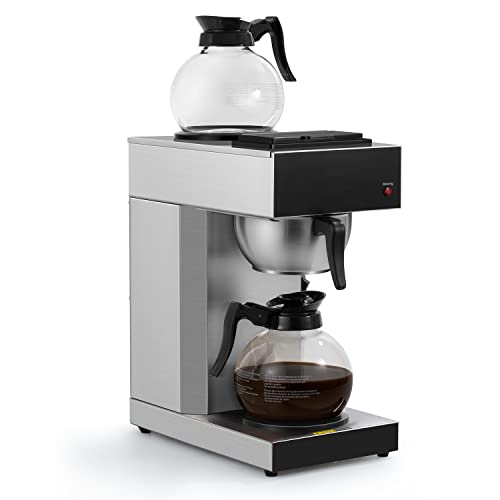
SYBO 12-Cup Commercial Pour Over Coffee Maker SF-CB-2GA

BUNN VPS 12-Cup Pourover Commercial Coffee Brewer 3 Warming Stations

BUNN VP17-3 12-Cup Low Profile Pourover Commercial Coffee Maker
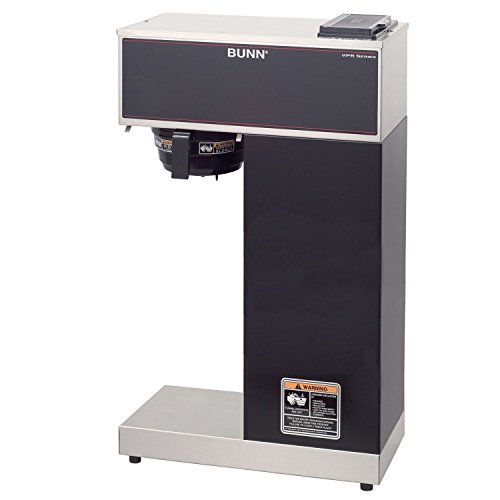
BUNN VPR APS Commercial Pour Over Air Pot Coffee Brewer
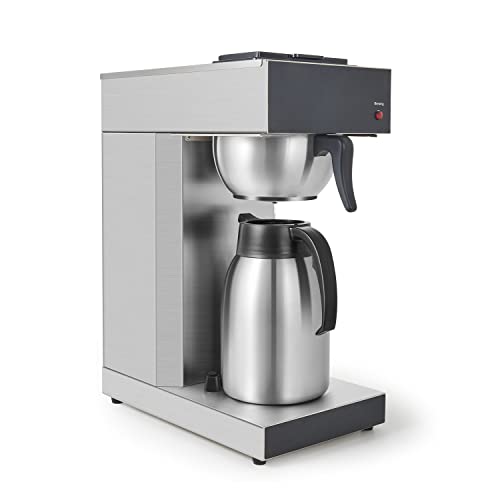
SYBO 12-Cup Commercial Coffee Maker 74oz Thermal Carafe

NUPANT 12-Cup Commercial Drip Coffee Maker 1.8L

VEVOR Commercial Coffee Urn 40 Cup 203oz
More Details On Our Top Picks
That single warmer makes this Bunn a tidy fit for smaller service points where you want the brewer to stay out of the way. In a café corner, office pantry, or church kitchen, the stainless steel body keeps the look clean without feeling fussy.
The trade-off is obvious, though, it gives you one warming surface instead of the broader holding setups you get from the VPS and VP17-3. For most compact counters, that restraint is the point, because you can serve steady coffee without giving up much space.
Strong Points
- Stainless steel construction suits daily wipe-downs and busy counters.
- Single warmer keeps the footprint easier to manage in tight spaces.
- Pourover setup avoids the need for plumbing on location.
- Good match for smaller teams serving coffee in one main stream.
Things To Consider
- One warmer can feel limiting during overlapping rushes.
- It asks for manual water filling, so routine matters.
- Shops serving several pots at once may want more holding space.
At A Glance
Who It Suits Best
You get the most from this brewer in a smaller office, a side station, or a light-volume café where one hot pot is enough.
A Better Fit Elsewhere
BUNN VP17-3 suits you better when you need three warming surfaces and a stronger setup for steady back-to-back serving.
This SYBO model leans into speed and practical service details, which is handy in offices and lunch rush settings. The reusable brew basket cuts out one recurring supply, and the two glass carafes give you a little more flexibility than the single-warmer Bunn VP17-1SS.
The spray head helps spread water across the grounds more evenly, so the brew process feels more deliberate than a bare-bones drip unit. You may appreciate that in a busy kitchen, though the glass carafes ask for a bit more care than a thermal holder would.
What We Like
- Reusable brew basket reduces paper filter routine.
- Two included glass carafes add serving flexibility.
- Stainless steel body suits commercial counters and daily wipe-downs.
- Spray head design supports more even wetting of the grounds.
Small Caveats
- Glass carafes need gentler handling than a thermal server.
- Manual pour-over use still asks for attention at the sink.
- Shops wanting hot holding without glass may prefer a different setup.
Feature Snapshot
Who Will Love This
You get the most value from this brewer in a busy office kitchen, small restaurant back counter, or shared break space that wants fast turnover.
Another Choice May Suit
SYBO 12-Cup Commercial Coffee Maker with 74oz Thermal Carafe makes more sense for you when you want the coffee to stay contained in one insulated vessel instead of glass carafes.
This is the kind of brewer that makes sense in a service area where several pots might be in rotation at once. Three warming stations give you more room to keep coffee ready, which is a clearer advantage than the one-warmer Bunn VP17-1SS.
The low-profile shape also helps in tighter kitchens, so it doesn’t dominate the counter while doing a fairly serious job. You may find the separate warmers more useful than a thermal approach in rooms where people keep returning for refills.
Highlights
- Three warmer layout supports multi-pot service.
- Low profile body helps it sit neatly on counters.
- Pourover format keeps installation simple.
- Stainless steel hood and base suit hard-working spaces.
- SplashGard funnel helps direct hot liquid away from hands.
Areas To Watch
- Warmers use the counter space you set aside for them.
- Server(s) are sold separately, so serving gear needs planning.
- Manual filling is part of the workflow.
Details At A Glance
Built With In Mind
You should look at this brewer for offices, cafés, and break rooms that need multiple hot pots close at hand.
Where A Sibling Pick Shines
BUNN VPR APS Commercial Pour Over Air Pot Coffee Brewer is a smarter fit for self-serve setups that work better with air pots instead of warmers.
Low-profile machines matter in kitchens where the upper shelving leaves little room to spare, and this Bunn keeps a compact stance while still offering three lower warmers. Compared with the VPS, you get a similar service mindset in a shape that may sit more comfortably under cabinets.
The stainless steel exterior should suit heavy daily wipe-downs, and the SplashGard funnel is a useful detail for staff who move quickly. The honest read is that this model makes the most sense where counter depth is tight but coffee demand stays steady.
Bright Spots
- Low profile design works well beneath shelves.
- Three lower warmers support a busy counter rhythm.
- Stainless steel exterior suits daily commercial cleaning.
- SplashGard funnel adds a useful handling detail.
Room For Improvement
- Warmers still need enough counter space to breathe.
- Separate serving carafes are part of the setup plan.
- Pourover operation keeps manual refills in the routine.
Feature Rundown
Whose Shelf It Belongs On
You should favor this brewer for compact commercial kitchens, cafés, and church serving areas where a lower stance matters.
A Better Fit Elsewhere
BUNN VPS 12-Cup Pourover Commercial Coffee Brewer 3 Warming Stations suits you better when wider countertop space is less of a concern and you want the VPS layout instead.
Air-pot service changes the workflow in a useful way, because coffee can move from brewer to insulated dispenser rather than sitting on a hot plate. That makes this Bunn a smart fit for break rooms, catering tables, and cafeteria lines where people serve themselves in waves.
Compared with the warmers on the VP17-3 or VPS, this setup leans into portability and table service instead of continuous burner-style holding. One thing worth considering is that the air pot itself becomes part of the system, so storage and handling matter as much as the brewer.
Best Bits
- Air-pot approach suits self-serve stations.
- Thin footprint helps in space-limited rooms.
- Pourover operation keeps installation simple.
- Good match for service that moves from counter to table.
Minor Gripes
- Air pot hardware is part of the broader setup.
- Not as direct a fit for hot-plate style serving.
- Manual filling remains part of the brewing routine.
Core Details
Best Suited To
You will like this most in offices, cafés, and event spaces that rely on insulated servers instead of open warmers.
Swap It Out When
SYBO 12-Cup Commercial Pour Over Coffee Maker SF-CB-2GA is the easier match for you when glass carafes and a reusable basket suit the service routine better.
A thermal carafe changes the experience in a practical way, because coffee stays in one insulated container instead of resting on a warmer. That makes this SYBO a neat fit for meetings, table service, and break rooms where people pour at different times.
Relative to the glass-carafe SYBO SF-CB-2GA, this model feels a little easier to live with during a slower serving window. The trade-off is that you lean more on the carafe itself for heat retention, so placement and cleaning still matter.
Upsides
- Thermal carafe helps coffee stay contained and portable.
- Reusable brew basket reduces ongoing filter use.
- Stainless steel finish suits shared prep areas.
- 12-cup size works for meeting rooms and small service runs.
Softer Spots
- Thermal carafe handling takes a bit of care during refills.
- Not as roomy as larger urn-style choices.
- Manual pour-over brewing still keeps you involved.
Spec Overview
Right Fit For
You should look here for meeting rooms, reception counters, and service setups that benefit from one insulated vessel.
Look Elsewhere When
VEVOR Commercial Coffee Urn 40 Cup 203oz suits you better when you need a much larger batch for catering or party service.
This NUPANT model is built for short, busy service cycles, and the two warmers with two 12-cup carafes make that clear. In a restaurant or office pantry, that means you can keep one pot serving while the other is ready without juggling too much.
The SS304 housing and funnel are a useful sign of a sturdier build than some lighter office brewers. Still, the honest read is that the setup works best when your staff is comfortable handling multiple pots and keeping the workflow organized.
Positives
- Two warmers help keep both carafes in rotation.
- Two included 12-cup carafes suit back-to-back serving.
- SS304 housing and funnel add a solid materials story.
- Seven-minute brew claim points to fast turnover for busy shifts.
Honest Caveats
- Two-carafe service works best with an organized counter plan.
- Pourover use still means manual water filling.
- More parts on the counter can mean more cleaning steps.
Quick Facts
The Right Fit
You should choose this for restaurants, offices, and shared service counters that need two pots available without jumping to a larger urn.
Reach For A Different Pick When
BUNN VP17-3 12-Cup Low Profile Pourover Commercial Coffee Maker fits better when your counter is tighter and you want the lower-profile Bunn format.
Urn-style coffee service plays a different role from the pot-and-warmer machines above, because this one is built to dispense a larger batch in one place. That makes it a natural fit for catering tables, church gatherings, and event refreshment lines where people serve themselves throughout the day.
The removable mesh filter is a practical touch, since you don’t need paper filters and cleanup stays straightforward. The dripless faucet and automatic temperature control add convenience, though the size means it belongs in a setting where the urn has room to stay visible and accessible.
Standout Traits
- 40-cup capacity handles large group service.
- Dripless faucet helps keep serving areas neater.
- Reusable mesh filter removes paper filter handling.
- Automatic temperature control supports steadier holding.
- 1090W heating tube supports a full batch in a reasonable window.
Points To Note
- Large urn format takes more counter or buffet space.
- Best suited to group service rather than small daily mugs.
- Cleaning the mesh filter becomes part of the routine.
Key Specs
Made For
You should choose this urn for catering lines, larger gatherings, and service tables that need a central coffee source.
Where Another Pick Suits Better
SYBO 12-Cup Commercial Coffee Maker with 74oz Thermal Carafe is the easier fit for smaller meetings or a quieter office setup.
How To Choose The Right Commercial Coffee Brewers
Match Capacity To Service Rhythm
Capacity is the first thing to sort out, because a brewer that feels generous in a home kitchen can feel cramped in a break room at 8 a.m. A 12-cup unit suits smaller offices, side counters, and meeting setups, while a 40-cup urn is built for events and self-serve tables. The right number comes down to how quickly coffee leaves the pot, not just how much the tank can hold.
Warmers, thermal carafes, and urns each solve holding differently. Warmers keep coffee ready in separate pots, thermal carafes hold coffee in an insulated container, and urns centralize service in one large vessel. You save time later when the holding method matches the way people actually pour.
Think About Space And Setup
Pourover brewers work well in places without plumbing, which is a major advantage for pop-up counters, church kitchens, and offices that rearrange often. Low-profile units fit better under shelves, while a thin-footprint brewer can tuck into tighter corners without taking over the room. That convenience matters more than it sounds, because counter layout shapes how smoothly staff move around the machine.
Also look at what sits around the brewer. Glass carafes need safer handling, air pots need storage space, and warmers need room to stay useful. A machine can look compact on paper and still feel awkward in a crowded service line.
Choose The Holding Style That Fits Your Routine
Stainless steel bodies are common here because they hold up well to daily wipe-downs and look at home in commercial spaces. Beyond finish, the bigger question is whether you want heat from warmers or insulation from a thermal carafe or air pot. That choice affects taste, pacing, and how often someone needs to circle back to refill.
For busy counters, a warmer-based brewer is easy to understand and quick to work with. For meetings and table service, thermal or air-pot setups reduce the need to stand by the machine. The less your team has to babysit coffee, the easier the whole shift feels.
Balance Speed, Cleanup, And Staff Habits
Fast brew times help, but speed only matters if the rest of the routine stays simple. Reusable brew baskets cut down on filter use, though they do need washing, and glass carafes demand a gentler hand than stainless holding gear. The best setup is usually the one your staff can keep clean without thinking twice.
One practical detail worth checking is who will refill, pour, and wash the pieces during service. A brewer that looks efficient on paper can slow down a team that isn’t used to juggling multiple pots. For most commercial spaces, a steady routine beats a flashy feature list.
A Quick Reality Check
Mistakes Worth Dodging
Shoppers often match the brewer to the room, then forget the serving gear around it. A machine with warmers still needs carafes, and an air-pot brewer only makes sense when the pot itself is part of the plan. The safer path is to map out the whole serving line before choosing the unit.
Another common miss is choosing a large batch size for a small service team. Bigger sounds helpful until cleanup, storage, and refill habits turn into daily friction. A modest 12-cup brewer is often easier to live with than a unit that sits too large for the room.
The Upgrade Payoff
Higher-tier machines usually cost more because they use heavier stainless construction, offer more warmers or larger holding systems, and are built for repeated daily use. That extra spend also tends to support better serving flow, which matters in kitchens where people are lining up behind the machine. You’re paying for less interruption as much as for the brewer itself.
The upgrade makes sense when coffee service is part of the workday, not just an occasional task. Offices with constant traffic, cafés with repeated refills, and event spaces with long service windows benefit most from sturdier hardware. In a quieter setting, a simpler brewer can be the more sensible move.
Closing Thoughts
The strongest commercial coffee brewers are the ones that fit your pace, your counter space, and the way coffee actually gets served. A small office can live very well with a single-warmer or thermal-carafe setup, while a larger gathering space calls for a more serious holding system or an urn. Choose the machine that makes the next refill easier, and your daily coffee routine will feel a lot smoother.
