

You want one machine that can handle weekday coffee without turning your counter into a command center. These combo coffee espresso machines cover a wide spread, from simple pod-and-grounds flexibility to fully automatic systems with grinders and milk foaming built in.
That makes the category useful for households with mixed tastes, office break rooms, and anyone who wants espresso-style drinks without juggling several appliances. The trade-off is usually size, cleanup, or learning curve, so the right match depends on how much variety you want and how much hands-on work feels reasonable.
The Shortlist At A Glance

Hamilton Beach FlexBrew Trio 2-Way Coffee Maker 12c Pot

Ninja Luxe Café Pro Series ES701

XIXUBX Espresso Machine Compact Espresso Maker
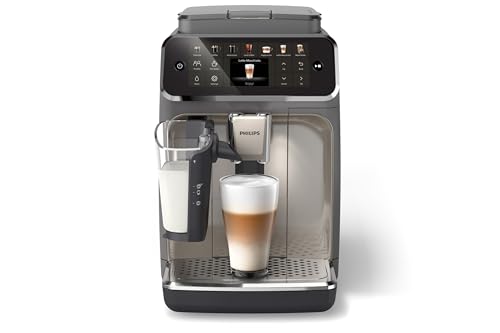
Philips 4400 Series Fully Automatic Espresso Machine

AIRMSEN 20 Bar Espresso Machine Dual Boiler

AMZCHEF 20 Bar Home Espresso Coffee Machine

SHARDOR Espresso Machine 20 Bar Silver

PHILIPS 5500 Series Fully Automatic Espresso Machine
Some combo machines ask you to compromise before breakfast even starts. This Hamilton Beach model keeps things straightforward with a single-serve side and a 12-cup glass carafe, so it fits homes where one person wants a quick mug and another wants a full pot.
The pod-and-ground compatibility makes it handy in a busy kitchen or an office nook, and the fast-brewing angle matters more than it sounds on rushed mornings. The honest trade-off is that a glass carafe asks for a little more care than a thermal setup, but for mixed coffee habits, that’s a fair exchange.
Strong Points
- Single-cup brewing and full-pot brewing in one footprint.
- Works with pods or ground coffee, which broadens your options.
- The 12-cup carafe suits households that drink several mugs before noon.
- Good fit for shared spaces where tastes change from person to person.
Things To Consider
- The glass carafe needs more careful handling than a thermal container.
- Pod side and drip side mean more surfaces to keep clean.
- Counter space still matters, since two brewing paths take room.
At A Glance
Who It Suits Best
You get the most from this model in a household with mixed brewing habits, especially where one person wants pods and another still prefers ground coffee.
A Better Fit Elsewhere
The PHILIPS 5500 Series Fully Automatic Espresso Machine suits you better if you want more drink presets and a more automated milk routine.
This one pushes further than a simple coffee-and-espresso hybrid, because it folds in espresso, drip coffee, cold brew, and hot water. That broader menu makes sense for kitchens where your morning routine changes from day to day, or where one machine has to cover tea, coffee, and espresso drinks.
The integrated tamper, built-in grinder, and hands-free frother point to a more guided workflow, which helps when you want less guesswork and more consistency. The trade-off is that all that versatility can feel like a lot of machine for someone who only wants a basic cup and nothing else.
What We Like
- Four drink paths give you serious flexibility.
- Built-in grinder keeps the setup more self-contained.
- The integrated tamper helps form more even espresso pucks.
- Hands-free frothing is useful for cappuccinos and lattes.
- Hot water adds convenience for americanos or tea service.
Room For Improvement
- The feature set asks for more counter space and attention.
- More moving parts usually means more cleaning between uses.
- The learning curve may feel steep for casual coffee drinkers.
Feature Rundown
Made For
You’ll like this best in a kitchen where coffee isn’t a one-note habit and you’re comfortable spending a little more time on setup.
Look Elsewhere When
The Hamilton Beach FlexBrew Trio 2-Way Coffee Maker fits better for simple pod-and-pot brewing without the extra layers of espresso-style workflow.
Space is the main story here. Compared with the larger Ninja and Philips machines, this XIXUBX model is the sort of espresso setup that makes sense in a small apartment kitchen, where every inch of counter space matters.
The 20-bar pump, PID temperature control, and low-vibration design point toward a more controlled shot routine, while the milk frother keeps latte and cappuccino use practical. For a compact machine, that mix feels sensible, though you should expect a more hands-on espresso experience than the fully automatic picks.
Upsides
- Compact shape suits tighter countertops.
- PID temperature control helps keep brewing conditions steadier.
- Low vibration is welcome in smaller homes and shared walls.
- Milk frother supports everyday latte and cappuccino drinks.
Softer Spots
- The smaller footprint means less automation than the bigger systems.
- A more manual workflow asks for a bit more attention.
- Milk frother upkeep adds one more part to rinse and maintain.
Core Details
Built With In Mind
You get the best fit here in an apartment or starter kitchen where compact size matters as much as espresso capability.
Swap It Out When
The Philips 5500 Series Fully Automatic Espresso Machine makes more sense for you if you want more preset drinks and less manual input.
For a busy household, convenience often matters more than showing off. The Philips 4400 leans into that idea with an integrated grinder, LatteGo milk system, and 12 preset drinks that cover hot and iced options without a long learning curve.
The color display helps you adjust strength, volume, and foam level, and the ability to save two profiles makes it easier for two people to settle into repeat drinks. The trade-off is size and cost of entry, but for a kitchen that wants fewer separate steps, this one reads as a well-balanced automation pick.
Bright Spots
- One-touch brewing keeps daily use simple.
- LatteGo handles milk drinks with less fuss than manual frothing.
- 12 preset drinks cover a wide range of routines.
- Two saved profiles help households with different preferences.
- Color display makes drink adjustments easier to follow.
Minor Gripes
- The automated design brings more bulk than a compact espresso-only machine.
- Fewer profiles than the larger 5500 Series.
- More automation usually means more parts to keep clean.
Details At A Glance
Right Fit For
This suits you best if you want a mostly automatic coffee station for two or more people and you value convenience over tinkering.
A Better Fit Elsewhere
The PHILIPS 5500 Series Fully Automatic Espresso Machine makes more sense if your household wants a larger preset menu and a step up in drink variety.
This AIRMSEN model stands out for speed and convenience in the milk-drink lane. A dual-boiler design means one heating path serves the brew side and another handles steam, so the workflow is meant to move more cleanly between espresso and milk drinks.
The 60-ounce tank is a useful detail for households that make several drinks in a row, and the touchscreen keeps the front of the machine from feeling crowded with buttons. You may still want a little patience with cleanup around the milk system, but the layout suits people who make cappuccinos or lattes often.
Reasons To Buy
- Dual-boiler setup supports a smoother espresso-and-steam routine.
- Automatic frother helps reduce hands-on milk prep.
- Touchscreen controls keep operation straightforward.
- 60-ounce tank reduces refill frequency during repeat use.
- Stainless steel body usually feels solid on the counter.
Points To Note
- The dual-boiler layout adds complexity compared with simpler machines.
- Milk systems often need regular rinsing to stay manageable.
- The stainless steel body can show fingerprints and water marks.
Feature Snapshot
Whose Shelf It Belongs On
You’ll get the most from this model in a home that makes milk drinks often and wants a faster path from shot to foam.
Another Choice May Suit
The AMZCHEF 20 Bar Home Espresso Coffee Machine fits better for a simpler starter setup with fewer layers to learn.
This AMZCHEF machine sits in a useful middle ground for people who want espresso-style drinks without a complicated front panel. The LED touchscreen and memory function help it feel approachable, and the built-in frother keeps latte and cappuccino prep within one compact setup.
The self-cleaning function is the detail that many busy kitchens will care about most, because cleanup often decides whether a machine gets used daily or just on weekends. The honest catch is that starter-friendly machines can still ask for routine care, especially around the frother and water paths.
Best Bits
- Touchscreen controls make the machine easy to learn.
- Memory settings help you repeat a preferred drink setup.
- Self-cleaning mode can simplify routine upkeep.
- Built-in frother keeps milk drinks close at hand.
Areas To Watch
- Starter-friendly controls do not remove all maintenance.
- The frother still needs regular attention after milk use.
- A single machine for espresso and milk drinks can still take counter room.
Core Details
Perfect Match For
You should look at this one first if you want a beginner-friendly espresso machine that still handles milk drinks and cleanup with less fuss.
Where A Sibling Pick Shines
The SHARDOR Espresso Machine 20 Bar Silver is a stronger match for you if adjustable temperature control matters more than a simple starter interface.
Temperature control is the part that separates this SHARDOR from simpler starter machines. Along with the 20-bar pump and touchscreen interface, it gives you a more adjustable path to espresso drinks, which matters in homes where you want to fine-tune shots instead of just pressing one button.
The stainless steel build suits a kitchen that gets daily use, though you’ll still want to keep an eye on wipe-downs and descaling tasks. Compared with the AMZCHEF, this one feels a touch more control-focused, while the Philips fully automatic picks remain easier if you want less hands-on involvement.
Positives
- Adjustable temperature control adds useful tuning room.
- Touchscreen operation keeps the front panel clean and direct.
- 20-bar pressure supports espresso-style home drinks.
- Stainless steel construction suits regular counter use.
Small Caveats
- More control usually means more attention from the person using it.
- Touchscreen and steam parts still need regular upkeep.
- The machine is better for espresso-focused use than broad drink variety.
Quick Facts
The Right Fit
You’ll appreciate this model most if you want a semi-automatic espresso machine with a bit more control over taste and temperature.
Reach For A Different Pick When
The Philips 4400 Series Fully Automatic Espresso Machine is the easier path if you want more automation and fewer manual steps.
The Philips 5500 Series is the most flexible fully automatic option in this group, and that matters in households where drinks vary from hot espresso to iced coffee to milk-based favorites. With 20 presets, LatteGo milk handling, and a ceramic grinder, it gives you a broad routine without asking you to rebuild the drink from scratch every time.
The QuickStart angle is helpful on rushed mornings, and the ability to save two profiles makes it feel more personal than the simpler automation picks. The trade-off is that more presets and more automation bring a bigger machine with more to keep clean, so it suits people who want convenience and variety more than minimalism.
Highlights
- 20 presets cover a wider drink range than the Philips 4400.
- LatteGo makes milk drinks feel less cumbersome.
- Ceramic grinder supports fresh bean use in one machine.
- Two saved profiles help two people keep their preferences ready.
- QuickStart is useful for fast morning routines.
Honest Caveats
- The larger feature set means more machine to place and maintain.
- More presets do not help much if you only want plain coffee.
- Fully automatic systems usually come with more parts to clean.
Technical Sheet
Who Should Grab It
This is the strongest match for a household that wants the broadest preset menu and the least daily decision-making.
Another Choice May Suit
The Philips 4400 Series Fully Automatic Espresso Machine fits better if you want a similar experience with fewer presets and a slightly simpler setup.
How To Choose The Right Combo Coffee Espresso Machines
Start With The Drinks You Actually Make
The best machine for your kitchen is the one that matches your real routine, not the one with the longest feature list. A pod-and-pot hybrid like the Hamilton Beach FlexBrew Trio makes sense for households that split between single cups and group servings, while a fully automatic model like the PHILIPS 5500 fits homes that want espresso, milk foam, and iced drinks from one station.
That’s where drink count matters. A compact semi-automatic machine can be enough for straight espresso and the occasional latte, but a broader preset menu starts to earn its keep once different people want different drinks before work.
Think About How Much Control You Want
Semi-automatic machines such as the XIXUBX, AMZCHEF, and SHARDOR usually ask for more input, which suits people who like to shape the shot and manage the milk step themselves. Fully automatic systems do more of the heavy lifting, so they reduce the number of decisions in the morning, though they also tend to take up more space and need more cleaning.
That control trade-off is worth taking seriously. If you enjoy adjusting temperature, tamping, or frothing by hand, the more manual route feels rewarding, but a hands-off setup is calmer for families that just want coffee to appear with less effort.
Measure Counter Space And Daily Cleanup
Combo machines can look tidy in photos and still feel bulky on a real counter. The larger Philips and Ninja models are easier to justify in a full-size kitchen, while a compact unit like the XIXUBX makes more sense where every inch counts.
Cleanup is part of ownership, not an afterthought. Milk systems, grinders, drip trays, and glass carafes all ask for routine attention, so the easiest machine to live with is usually the one whose parts and workflow feel natural to you.
Match The Machine To How Many People Use It
A two-person home benefits from saved profiles, an easy milk system, and a broad preset menu, which is why the Philips 5500 and 4400 stand out for shared routines. A solo coffee drinker often gets more value from a simpler machine that heats fast, uses less counter space, and doesn’t force extra steps before the first cup.
Office corners and mixed households sit in the middle. That’s where pod compatibility, a carafe, or a broad recipe list can keep everyone happy without turning coffee duty into a daily negotiation.
A Quick Reality Check
Hidden Buying Traps
One common mistake is focusing only on pressure numbers and skipping the rest of the machine. Pump pressure matters, but grinder quality, milk handling, tank size, and cleanup are just as important in daily use.
Another misstep is underestimating size. A machine that looks neat in a product photo can crowd a narrow counter once you add bean storage, mugs, and room to work.
Where The Extra Money Goes
Higher-tier combo coffee espresso machines usually cost more because they bundle more automation into one body. Integrated grinders, automatic milk systems, dual boilers, profile storage, and more presets add hardware and convenience, and those parts affect the overall price.
That upgrade is worth it when coffee is a daily habit and the machine replaces several separate steps. For occasional use, a simpler machine can be the better call because it gives you the basics without asking for a bigger investment in space or upkeep.
Closing Thoughts
The right combo coffee espresso machine depends on how much variety you need and how much work you want to keep in the process. Hamilton Beach keeps things practical, Ninja goes widest on drink styles, and the Philips 5500 brings the most complete automatic routine in this group. Smaller kitchens can still find a good fit in the XIXUBX, while the AMZCHEF and SHARDOR make sense for more hands-on espresso routines. Pick the one that matches your morning pace, and your coffee station will feel easier from the first week onward.
