

Dogs that chew hard need more than a throwaway toy, and your furniture does too. Coffee wood and related natural wood chews fill that gap with a tougher, lower-mess feel than many fabric or rubber options, especially in homes with steady daily chewing. Size, wood type, and texture matter a lot here, because the wrong match can be too small, too soft, or simply too awkward for the way your dog chews. The picks below focus on real use cases, from calmer gnawers to dogs that treat every toy like a challenge.
Quick Shortlist for Serious Chewers

Canophera Coffee Wood Dog Chew Sticks Large

Canophera Coffee Wood Dog Chew Sticks Medium
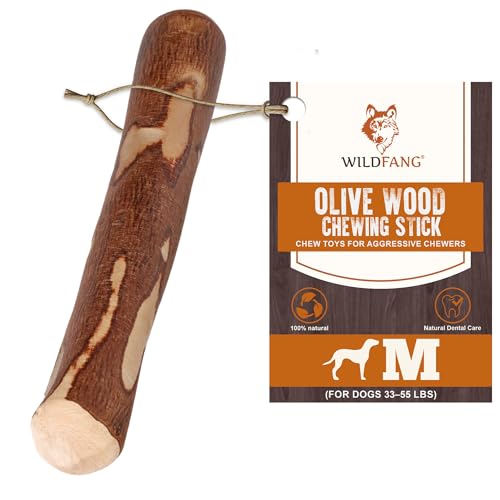
Wildfang Olive Wood Chewing Sticks Medium
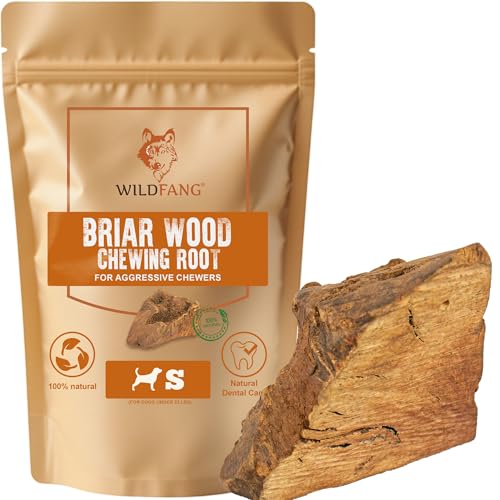
Wildfang Briar Wood Chewing Root Small

Wildfang Coffee Wood Dog Chew Large

Woodies Dog Chews Toys Coffee Wood L

Canophera Dog Chew Coffee Wood Coconut Rope Medium

lemuria Coffee Wood Dog Chew Large Stick Toy
More Details On Our Top Picks
For dogs that settle into a steady chew rhythm, this large Canophera stick keeps things straightforward. It gives you the coffee-wood feel without extra hardware or mixed materials, so the focus stays on the chew itself.
You may find the large size better for bigger mouths that need a longer grip surface, especially in a house where toys disappear under couches fast. The trade-off is simple, this is built for regular chewers rather than the most punishing jaws.
Strong Points
- Large format suits bigger mouths.
- Natural wood construction keeps the profile simple.
- Single-stick format is easy to stash.
- Useful for daily chewing routines.
Things To Consider
- Regular chewers get more from it than extreme chewers.
- Wood chews need periodic inspection as the surface wears.
Key Specs
Who It Suits Best
Big dogs that chew regularly, not wildly, get the cleanest fit here.
A Better Fit Elsewhere
Wildfang Coffee Wood Dog Chew Large makes more sense for stronger chewers that need a heavier coffee-wood option.
This medium-size version lands in the sweet spot for many mid-size dogs. Compared with the large Canophera stick above, it keeps the same simple wood-only idea but trims the footprint for easier handling.
In a busy living room, that smaller reach can matter, because your dog can carry it without turning the floor into a toy parade. The honest read is that it suits routine chewing better than power chewing, so the match depends on jaw strength as much as body size.
What We Like
- Medium size suits many everyday setups.
- Wood-only build keeps it uncomplicated.
- Easy to store in a toy bin.
- Works well for regular chewing sessions.
Areas To Watch
- Smaller footprint may feel short for large-mouthed dogs.
- Like most wood chews, it needs sensible supervision.
At A Glance
Made For
Mid-size dogs with a regular chewing habit get the most natural fit here.
Swap It Out When
Wildfang Olive Wood Chewing Sticks Medium suits you better if your dog leans toward harder chewing and you want a denser wood feel.
Compared with the Canophera sticks, this Wildfang olive wood option leans into a more substantial, dense-chew feel. The olive-oil finish also gives it a more polished character, which helps if you prefer a chew that feels a little more refined in hand and under the nose.
That matters in homes where the chew stays out on the floor between sessions instead of disappearing straight into a crate. You may find the medium size a good match for 33 to 55 pound dogs, though the texture will feel firmer than softer chew toys many households keep around.
Upsides
- Medium format fits a wide mid-size range.
- Olive wood gives a dense, clean-feeling chew.
- Oil finish adds a more finished surface.
- Good choice for dogs that stay engaged longer.
Small Caveats
- Firmer wood can feel less forgiving than softer chews.
- The medium range is tied to a narrower weight band.
Feature Snapshot
Best Suited To
Mid-size dogs that like dense wood and steady chewing fit this one well.
Another Choice May Suit
Canophera Coffee Wood Dog Chew Sticks Medium works better for you if you want a simpler coffee-wood profile without the olive-wood finish.
This briar-root chew sits in a tougher lane than the coffee-wood picks above. For small dogs that still chew like they mean it, the denser root build gives a more substantial feel and less give under pressure.
The odorless profile also helps in living rooms and bedrooms where you do not want a strong wood scent hanging around. The trade-off is that a very hard chew can be less forgiving, so the size match matters a lot for comfort and control.
Bright Spots
- Dense root construction feels very substantial.
- Small size suits compact mouths.
- Odorless profile is easy to live with indoors.
- Good fit for dogs that prefer harder chew surfaces.
Points To Note
- Small sizing narrows the fit to lighter dogs.
- Very hard wood can feel too firm for softer chewers.
- Wood chews still need basic wear checks.
Details At A Glance
Who Will Love This
Small dogs that like a firmer, more rooted chew feel are the natural match.
Look Elsewhere When
Canophera Coffee Wood Dog Chew Sticks Large suits bigger dogs that need more length and a less compact form.
For larger dogs that chew with real purpose, this Wildfang coffee wood stick feels like the straightest answer in the group. It keeps the natural-wood appeal of the Canophera picks, but the large format gives more room for bigger jaws to settle in.
The 7-ounce pack weight also hints at a more substantial chew, which matters when your dog gets bored with lightweight toys fast. The honest caveat is that strong chewing still wears wood down, so this is about giving a steadier option, not magic durability.
Reasons To Buy
- Large size is well suited to bigger dogs.
- Substantial 7-ounce pack feels more solid in hand.
- Simple coffee-wood format stays easy to understand.
- Good for dogs that lose interest in flimsy toys.
Honest Caveats
- Large size may feel bulky for smaller mouths.
- Heavy chewers will still leave visible wear over time.
- Wood chews are best checked for rough edges as they age.
Core Details
Perfect Match For
Large dogs with a strong, steady chewing habit fit this pick best.
Where A Sibling Pick Shines
Wildfang Briar Wood Chewing Root Small is the better call for compact dogs that need a denser chew in a smaller form.
Woodies feels a little more thoughtful than the plain-stick options, starting with the way the brand talks about sourcing and finish. That matters in a category where rough edges and messy construction can turn a simple chew into a hassle.
For large dogs that settle in for routine chewing sessions, the L size makes sense, though the product still sits in the same natural-wood lane as the others. You may find it especially useful in a household that values a cleaner, more carefully made chew over a purely rugged look.
Best Bits
- Careful finish should feel more polished in daily use.
- Large size suits bigger dogs well.
- Natural coffee wood keeps the format familiar.
- Good fit for homes that prefer a neat-looking chew.
Worth Noting
- It still belongs to the same wood-chew category as the others.
- Large sizing may be more than smaller dogs need.
- Wood chews benefit from regular surface checks after use.
Feature Rundown
Built With In Mind
Large dogs in homes that value neat construction and steady chewing get the best fit here.
Reach For A Different Pick When
Wildfang Coffee Wood Dog Chew Large suits you better if you want a more straightforward large-stick coffee-wood option.
This Canophera chew stands out because it blends coffee wood with coconut rope, so the texture shifts more than it does on the single-material sticks above. That can make a big difference for dogs that lose interest once a chew feels too predictable.
It also gives you a slightly different hand feel and play pattern, which is useful in homes where one toy has to do more than one job. The trade-off is that mixed materials can wear in different ways, so the check-in routine matters a bit more.
Positives
- Two natural materials create more texture variety.
- Medium size works for many mid-size dogs.
- Good choice for dogs that need fresh interest.
- Can double as chew and play item.
Minor Gripes
- Mixed materials may wear unevenly.
- Medium sizing still depends on jaw strength.
Quick Facts
Who Should Grab It
Mid-size dogs that get bored with plain sticks are the best fit here.
Skip It When
Wildfang Olive Wood Chewing Sticks Medium makes more sense for you if you want a single-material chew with a firmer, denser feel.
lemuria takes a more measured approach than the tougher Wildfang root and coffee-wood sticks. It is aimed at average chewers, so the appeal is less about brute force and more about giving your dog a natural stick that feels durable without going overboard.
The company also calls out responsible sourcing from coffee trees that no longer produce beans, which gives the product a cleaner backstory than many generic wood chews. For a calmer large dog, that mix of size, durability, and simpler positioning can make the decision feel easy.
Highlights
- Large size works well for bigger dogs.
- Targets average chewers with a sensible toughness level.
- Sourced from repurposed coffee trees.
- Good balance between durability and comfort.
Room For Improvement
- May split sooner under very forceful chewing.
- Large format is not the best match for smaller dogs.
- Wood chews still need regular wear checks.
Technical Sheet
Whose Shelf It Belongs On
Large dogs with a moderate chewing habit are the natural match for this chew.
Swap It Out When
Wildfang Coffee Wood Dog Chew Large is the stronger call for dogs that chew harder and need a more forceful coffee-wood stick.
How To Choose The Right Coffee Wood Dog Chews
Match The Wood To The Chewing Style
The biggest mistake is treating every chew stick as interchangeable. A dog that chews steadily in short sessions needs something different from a dog that attacks toys with real force, and the wood type matters here because olive wood, briar root, and coffee wood do not feel identical in the mouth.
Denser pieces usually suit stronger jaws, while simpler coffee wood sticks often make more sense for everyday chewing. For dogs that get bored quickly, mixed-material options such as coffee wood with coconut rope can hold attention a little longer.
Size Matters More Than Brand Names
Weight range is one of the clearest sizing clues in this category. A small chew can get swallowed by a bigger dog’s chewing style, while an oversized stick can feel awkward for a lighter dog to hold.
Look at the fit the way you would a collar or harness, because mouth size changes comfort fast. Large dogs usually need more surface area, and smaller dogs often do better with compact pieces that stay manageable during longer sessions.
Think About Texture, Finish, And Maintenance
Wood chews wear down over time, so the shape and surface finish deserve attention. A polished edge, rounded ends, or an odorless root can feel more comfortable in everyday use, especially indoors where the chew lives in the living room or crate.
Maintenance is simple, but it still matters. A quick check for rough edges, splintering, or uneven wear helps you decide when the chew has reached the end of its useful life and should be replaced.
Choose By Use Case, Not Hype
Daily chewers want something straightforward and durable enough to stay interesting without becoming a cleanup chore. Dogs that need more texture may prefer rope blends or a firmer root, while calmer chewers often do fine with a simpler coffee-wood stick.
The right pick is the one your dog will actually settle into, not the one with the longest feature list. That sounds obvious, but in this category, plain and well matched usually wins out over flashy.
A Quick Reality Check
Wrong Turns To Avoid
One common mistake is choosing by dog weight alone and ignoring chewing force. A medium dog with a very strong bite may need a tougher pick than the size chart suggests, while a large but gentle chewer may do better with a simpler stick.
Another miss is overlooking texture. A plain wood chew, a rope blend, and a dense root all feel different in daily use, so matching the material to the dog’s habits saves frustration.
The Upgrade Payoff
More expensive chews usually cost more because of material selection, finishing work, or sourcing details. That can mean denser wood, more careful shaping, or a mixed-material design that adds variety and staying power.
The upgrade makes sense when your dog is hard on toys or gets bored fast. For a calmer chewer, the extra spend may not change day-to-day use very much, so a simpler stick can be the smarter fit.
Final Thoughts
Your best match depends on your dog’s jaw strength, size, and boredom level more than on any single material name. Coffee wood sticks keep things simple, olive wood and briar root add firmness, and rope blends add texture for dogs that need more variety. Pick the option that suits the way your dog actually chews, and the rest tends to fall into place. That usually leads to less wasted money and fewer toys scattered around the house.
