

Coffee doesn’t need to be complicated, but the sweetener in your mug can make a real difference in daily comfort and consistency. You’re probably looking for something that fits your routine, whether that means single-serve packets for the office, a spoonable blend for home baking, or a steadier option that keeps coffee simple. The list below keeps the focus on real use, not hype, so you can match the sweetener to your habits with less guesswork.
The Shortlist At A Glance

SPLENDA Coffee Creamer Cups 48 Count

MIVOLIS Sweetener Tablets 2400 pcs.

Stevia In The Raw 100Count Packets

Whole Earth Stevia & Monk Fruit 40 Count

Sweet’N Low Zero Calorie Sweetener Packets 250 Ct

WorkBrew Sweetener Packets Variety Pack 200 Count
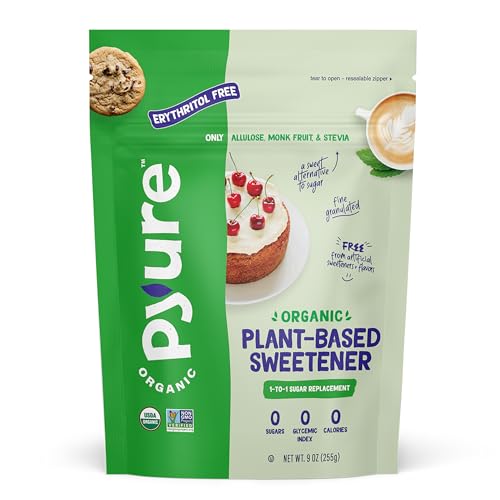
Pyure Organic Plant-Based Sweetener 9 oz
More Details On Our Top Picks
These single-serve cups make the most sense for a morning routine that needs speed and consistency. You get the convenience of portioned creaminess without measuring, which is handy in an office break room or on a cramped counter at home.
Compared with the tablet and packet options below, this one leans more toward texture than pure sweetening. The trade-off is simple, it takes more fridge space and is less flexible for baking, but coffee drinkers who want a creamy cup first will probably appreciate that.
Strong Points
- Single-serve cups keep each mug consistent.
- Sugar-free format suits routine coffee use.
- Liquid creamer adds body, not just sweetness.
- Useful for desk setups and busy kitchens.
Things To Consider
- Needs refrigerator space, which matters in shared kitchens.
- Works better for coffee than for recipes.
- Packaged cups create more disposable waste than loose sweeteners.
Feature Snapshot
Who It Suits Best
You’ll get the most out of this pick in a home or office setup where creaminess matters as much as sweetness.
A Better Fit Elsewhere
Stevia In The Raw 100Count Packets suit you better if you want a lighter, pocketable sweetener for tea and black coffee.
Tablets make sense when you want the cleanest possible routine, especially at a desk or on the road. This format keeps portions small and easy to meter, which helps when you prefer predictable sweetness in plain coffee or tea.
Unlike the SPLENDA cups, these are about sweetness alone, not creaminess. You may find the tablet style a little less natural in drinks that need body, but it travels well and stores neatly in a drawer or bag.
What We Like
- Tablet form is easy to portion.
- Small size fits travel kits and desk storage.
- Large count supports long-term pantry use.
Room For Improvement
- Tablet style is less versatile for baking.
- You may need to stir a bit longer in colder drinks.
- Best suited to plain sweetening rather than recipes.
Quick Facts
Built With In Mind
Frequent tea and coffee drinkers who like a tiny, easy-to-store format will get the most value here.
Where A Sibling Pick Shines
Pyure Organic Plant-Based Sweetener 9 oz is the better match for you if you also want a measure-for-measure option for baking.
Packet sweeteners like this one stay popular because they slot neatly into coffee, tea, and travel bags without asking much from you. The stevia base gives it a plant-derived angle, so it makes sense for people who want a familiar packet format with a lighter ingredient profile.
Compared with MIVOLIS tablets, this feels more versatile at the table and in hot drinks. The catch is that packet sweeteners can dissolve a little differently across beverages, so stirring matters more in iced drinks than in fresh coffee.
Upsides
- Packet format is easy to carry and share.
- Works across hot coffee and cold drinks.
- Plant-based sweetening appeals to many routine users.
- Useful for tea, coffee, and light kitchen use.
Softer Spots
- Packet format creates more wrapping to handle.
- Iced drinks may need extra stirring.
- Not the most flexible choice for baking volume.
At A Glance
Who Will Love This
You’ll like this most if you want a straightforward packet sweetener that travels well and stays familiar in coffee.
Another Choice May Suit
Whole Earth Stevia & Monk Fruit 40 Count makes more sense if you prefer a blended sweetener with a shorter ingredient-style list for drinks.
This blend stands out because it combines stevia, monk fruit, and allulose, a low-calorie sweetener used to add bulk and a sugar-like taste. That matters in coffee, since blended sweeteners often feel smoother than a single-note packet.
Compared with Stevia In The Raw, this one leans more toward a rounded sweetness profile than a simple plant-based packet. You may find it especially handy in a morning cup where you want less sharpness and no fussy measuring.
Bright Spots
- Blended sweetener profile can taste more rounded.
- Packet form keeps daily use simple.
- Useful for coffee drinkers watching carbs.
- Easy to stash in a work bag or pantry.
Points To Note
- Packet format still creates disposable waste.
- Blend-based sweetness may taste different from pure sugar.
- Short packet count suits light to moderate use.
Details At A Glance
Best Suited To
You’ll appreciate this most in a coffee routine that values a smoother blended taste over a plain packet profile.
Look Elsewhere When
Sweet’N Low Zero Calorie Sweetener Packets 250 Ct is the better fit for you if a large packet supply matters more than a blended ingredient mix.
This is the straightforward packet pick for coffee, tea, and any cup that needs a simple sweet touch. The large count makes it feel practical in households, break rooms, and places where people reach for sweetener every day.
Relative to Whole Earth, this one is less about blended nuance and more about familiar routine use. The honest read is that the saccharin-based profile has a distinct taste, so it suits people who already know they like that style better than those chasing a sugar clone.
Positives
- High packet count supports frequent use.
- Good fit for shared coffee stations.
- Simple format keeps storage easy.
- Works for both hot and cold drinks.
Areas To Watch
- Distinct taste style may not suit every cup.
- Packet wrappers mean more cleanup than bulk options.
- Less useful for baking than spoonable sweeteners.
Core Details
Who Should Grab It
Frequent coffee or tea drinkers who want a simple packet sweetener with a long supply will get the most from it.
Swap It Out When
Pyure Organic Plant-Based Sweetener 9 oz is a better fit for you if baking and measuring matter as much as sweetening your mug.
WorkBrew is the most flexible option in this list because it mixes sweetener styles in one box and adds stirrers for the full coffee station setup. That mix helps in offices, guest kitchens, or family spaces where different people want different levels of sweetness.
Compared with Sweet’N Low and Whole Earth, this one is less specialized and more adaptable. You may find the variety useful at first, though the trade-off is that you’ll have individual packet types to sort through instead of one consistent sweetener.
Best Bits
- Multiple sweetener types cover different tastes.
- Included stirrers help complete a coffee station.
- Individually wrapped packets suit shared spaces.
- Good for households with mixed preferences.
Small Caveats
- Variety means more sorting and less consistency.
- Not the tidiest option for tiny drawers.
- Shared boxes can feel busy in very small kitchens.
Feature Rundown
Whose Shelf It Belongs On
You’ll like this most in a shared coffee area where people ask for different sweeteners all week long.
Reach For A Different Pick When
MIVOLIS Sweetener Tablets 2400 pcs. make more sense for you if you want one compact option instead of a mixed assortment.
Pyure is the most kitchen-friendly choice here because it measures like sugar, which makes coffee and baking much easier to manage day to day. That 1:1 setup saves you from constant mental math, especially in recipes where consistency matters more than speed.
Compared with the packet-based picks above, this one feels more like a pantry staple than a travel sweetener. The blend of allulose, monk fruit, and stevia gives it a plant-based profile, and the main compromise is that spoonable sweeteners need a bit more storage space than packets.
Highlights
- 1:1 sugar replacement simplifies measuring.
- Useful for coffee, tea, and baking.
- Plant-based blend broadens its everyday appeal.
- Spoolable format works well in a home pantry.
Honest Caveats
- Bulky jar-style storage takes more shelf room than packets.
- Best value appears in home use, not travel.
- Blend-based sweetness may taste different from plain sugar.
Spec Overview
The Right Fit
You’ll get the most from this choice if you cook often and want a sweetener that behaves like sugar in the spoon.
Where Another Pick Suits Better
Stevia In The Raw 100Count Packets is the easier grab for you if travel-friendly packets matter more than measuring for recipes.
How To Choose The Right Coffee Sweeteners For Diabetics
Start With How You Actually Drink Coffee
Your routine should drive the choice more than the label on the front. Packet sweeteners make sense for commutes, office cups, and travel bags, while spoonable blends work better in a kitchen where you measure coffee, tea, or recipe ingredients in one place.
Match The Sweetener Style To The Cup
Single-note sweeteners, blended options, and creamer-style cups each behave differently in the mug. A stevia packet can feel lighter, a monk fruit blend may taste rounder, and a creamer cup changes texture as much as sweetness, which matters more for your daily cup than any marketing phrase.
Don’t Ignore Storage And Cleanup
A small drawer can handle tablets or packets with little fuss, but a jar or cup-style product asks for more room. Packaging matters too, because every wrapper, cup, or stirrer changes how tidy your routine feels after a week of use.
Think Beyond Coffee
The best match often does double duty in tea, baking, or guest-serving setups. Pyure is the clearest example for kitchen use, while WorkBrew helps shared spaces where people want different sweetening styles on hand.
A Quick Reality Check
Common Shopping Slip Ups
A lot of people focus on the sweetener name and skip the format. That leads to packets for someone who bakes often, or a spoonable blend for someone who just wants a fast stir in the car before work.
Another common miss is forgetting taste preference. Saccharin, stevia, monk fruit, and allulose all behave differently, so the right choice usually depends on the cup you already enjoy instead of the one you think you should like.
What The Higher Tier Buys
Higher-tier options usually pay for blend quality, better convenience, or more versatile use. In this group, that often means a product that measures like sugar, mixes multiple sweetening sources, or covers both drinks and recipes without making you keep two separate pantry items.
That upgrade matters most in a busy kitchen where consistency saves time. It matters less in a travel kit, where a compact packet or tablet usually does the job without taking up room.
Frequently Asked Questions
Are Coffee Sweeteners For Diabetics Only For Coffee?
No, many of these sweeteners work in tea, cold drinks, and some recipes. The best match depends on whether you want packets, tablets, a spoonable blend, or a creamer-style cup.
Which Format Is Easiest For Travel?
Packets and tablets are the simplest to pack. They stay neat in a purse, glove box, or laptop bag without asking for much space.
Which Option Works Best For Baking?
Pyure Organic Plant-Based Sweetener 9 oz is the strongest fit here for baking because it measures like sugar. That 1:1 style keeps recipe math simpler.
Do These Products All Taste The Same?
No, and that’s the main reason the shortlist is mixed. Stevia, monk fruit, saccharin, allulose, and blended mixes each bring a different taste and mouthfeel.
Which Pick Makes Sense For A Shared Office Kitchen?
WorkBrew Sweetener Packets Variety Pack 200 Count is the most flexible shared-space choice. It gives different sweetener styles in one box, plus stirrers for quick use.
Final Thoughts
You don’t need a perfect match, just the one that fits your cup and your routine. Packets work well for speed, tablets suit simple portion control, and Pyure is the strongest pantry option for coffee plus baking. The right pick comes down to whether you want convenience, variety, or a sugar-style measuring experience. Choose the format that feels easiest to live with, and your mug will feel a lot less fussy.
