

Running coffee service asks for more than a decent machine, because speed, consistency, cleanup, and counter space all matter at once. This shortlist focuses on espresso machines, programmable drip brewers, and commercial pour-over units that fit different service rhythms, from a compact espresso bar to a busy self-serve station. You get a clear mix of manual control and automation, so you can match the machine to your workflow instead of forcing the workflow around the machine. The right pick can feel like a steadier morning shift, not a scramble.
Quick Look At The Shortlist

De’Longhi La Specialista Arte Evo Espresso Machine with Coffee Grinder

De’Longhi Classic Signature Espresso Machine

AIRMSEN 12-Cup Programmable Dual Coffee Maker

Electactic Espresso Machine with Grinder

CASABREWS CM5418 Compact Espresso Machine
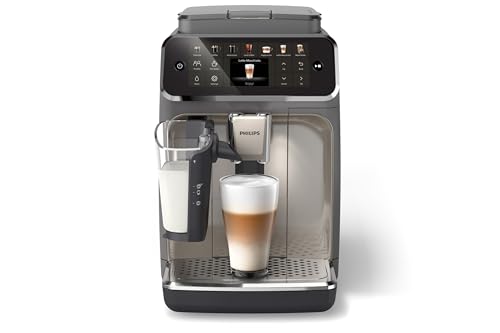
Philips 4400 Series Fully Automatic Espresso Machine
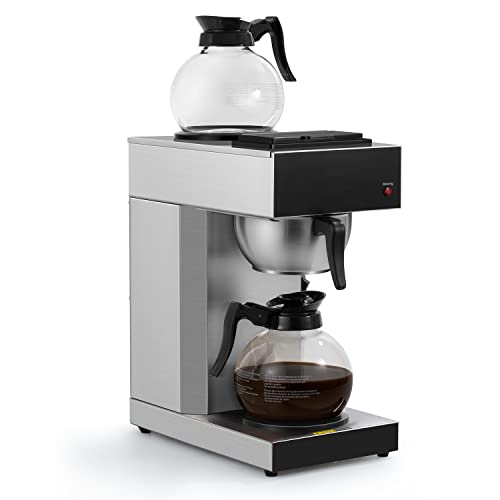
SYBO 12-Cup Commercial Pour Over Coffee Maker SF-CB-2GA

BUNN VP17-3 12-Cup Low Profile Pourover Commercial Coffee Maker
More Details On Our Top Picks
You get a grinder built into the machine, which matters for a coffee counter that wants fresh grounds without adding another device to the workflow. The four preset recipes and milk frother make this a strong fit for espresso drinks with some repeatability, though the trade-off is a more hands-on routine than a fully automatic setup.
Compared with the simpler De’Longhi Classic Signature, this one asks for more involvement but gives you a broader barista-style toolkit. In a small café corner or a serious home bar setup, that balance makes sense because you can shape the drink a bit more closely.
Strong Points
- Built-in grinder keeps beans and brew prep together.
- Preset drink options help standardize common orders.
- Milk frothing setup supports cappuccino and latte service.
- Barista toolkit suits hands-on drink prep.
- Silver finish fits a professional counter without looking loud.
Worth Noting
- Manual steps still matter, so service speed depends on your routine.
- The tool-rich setup asks for more cleaning than a simpler drip machine.
Core Details
Who It Suits Best
Home bar setups, espresso corners, and hands-on café stations get the most from this kind of setup.
Where A Sibling Pick Shines
De’Longhi Classic Signature Espresso Machine fits service points that want a smaller footprint and less ceremony around every cup.
For a compact espresso station, this model keeps the layout straightforward: single or double espresso presets, a pressure gauge, and an adjustable milk frother. That gauge matters because it gives you a quick visual read while dialing in shots, though it does not remove the learning curve that comes with semi-automatic brewing.
It feels like a sensible step down from the La Specialista Arte Evo, since you give up the built-in grinder and some of the barista extras. In return, you get a smaller machine that suits shorter counters, lighter drink menus, and less clutter.
What We Like
- Compact body fits tight prep spaces.
- Single and double presets simplify routine espresso orders.
- Pressure gauge helps with shot awareness.
- Adjustable frother supports milk texture control.
Small Caveats
- Semi-automatic operation asks you to stay involved at the machine.
- Milk and brew parts need regular cleaning to stay pleasant to use.
Feature Snapshot
Right Fit For
You benefit most here when you want a tighter espresso setup without giving up milk drinks.
Another Choice May Suit
Philips 4400 Series Fully Automatic Espresso Machine suits busy counters that need less manual input and more drink automation.
This one fills a different lane from the espresso-heavy machines above, because it serves both pods and ground coffee from the same body. The 12-cup capacity, 60oz tank, touchscreen, delay start, and 2-hour keep warm function make sense in an office break area or a café back counter that needs drip coffee ready without constant attention.
For mixed groups, that flexibility is the point, though the machine still feels more like a practical service brewer than a specialty coffee tool. The glass carafe keeps the presentation classic, but it also means you need to handle it with the usual care around cleaning and storage.
Bright Spots
- Works with both pods and ground coffee.
- Large 12-cup format suits group service.
- Delay start helps you stage morning brew time.
- Keep warm mode supports slower coffee traffic.
- Touchscreen controls keep the workflow simple.
Areas To Watch
- Glass carafe needs careful handling in busy spaces.
- Dual-format flexibility adds a little more setup choice each time.
Details At A Glance
Whose Shelf It Belongs On
You get the most value from this brewer in shared spaces where different people want different coffee formats.
Skip It When
SYBO 12-Cup Commercial Pour Over Coffee Maker SF-CB-2GA suits a more dedicated drip station that wants commercial hardware instead of pod flexibility.
A grinder plus steam wand gives you a full espresso path in one footprint, which is useful for a latte bar that wants fewer separate pieces of equipment. The 15-bar pump is part of that story, since bar pressure matters for pushing water through espresso grounds, although the experience still depends on grind quality and puck prep.
Compared with the CASABREWS CM5418, this machine leans more toward an all-in-one setup than a stripped-back compact unit. That makes it appealing for home cafés and light service bars, but the added versatility also means more surfaces and parts to keep tidy.
Upsides
- Integrated grinder trims counter clutter.
- Steam wand supports milk-based drinks.
- Removable water tank helps during refills and cleaning.
- 15-bar pumping system fits classic espresso prep expectations.
Points To Note
- More parts mean a longer cleaning routine.
- Espresso quality depends on careful setup, not just the machine itself.
Technical Sheet
Made For
You fit this machine well when you want grinder-to-shot convenience in one place.
Reach For A Different Pick When
De’Longhi La Specialista Arte Evo Espresso Machine with Coffee Grinder suits shoppers who want a more established brand feel and preset drink options.
Counter space is the whole story here, and this machine respects that reality with a smaller body, stainless steel finish, and a 34oz water tank. The built-in pressure gauge gives you a quick read while brewing, which helps when you want a little more control without moving into a larger espresso platform.
It sits nicely between the more involved De’Longhi options and the bigger commercial brewers, especially in a home café corner or a compact service station. The steam wand is a useful addition for cappuccinos and lattes, though the smaller tank means refills arrive sooner during a rush.
Reasons To Buy
- Small footprint fits tight countertops.
- Stainless steel body feels suited to daily use.
- Pressure gauge helps you monitor the brew.
- Steam wand supports milk drinks without extra gear.
Minor Gripes
- 34oz tank suits smaller batches better than constant traffic.
- Milk wand and drip areas need regular wipe-downs.
Core Details
The Right Fit
You get the most from this machine in a small café nook, studio kitchen, or office drink station.
Another Choice May Suit
BUNN VP17-3, 12-Cup Low Profile Pourover Commercial Coffee Maker suits higher-volume drip service that needs multiple warmers instead of espresso shots.
This is the easiest machine to imagine in a busy self-serve setup, because the fully automatic format takes a lot of routine decisions off your plate. LatteGo milk handling, an integrated grinder, 12 hot and iced presets, Quick Start, SilentBrew, and 15-bar pressure give it a broad menu without asking for the same hands-on rhythm as the semi-automatic picks.
Against the De’Longhi and CASABREWS machines, it gives up some manual control but asks for less attention during service. That trade-off suits offices, break rooms, and compact café counters that need consistency more than ceremony.
Highlights
- Fully automatic flow reduces day-to-day effort.
- LatteGo milk system simplifies milk drink prep.
- Integrated grinder keeps the process self-contained.
- 12 presets cover hot and iced drinks.
- SilentBrew is a useful fit for quieter spaces.
Room For Improvement
- Automatic convenience can feel less hands-on for espresso purists.
- Preset-driven operation gives you less room to fine-tune each drink.
Feature Rundown
Best Suited To
You suit this machine well when you want a broad drink menu and a lighter daily workload.
Look Elsewhere When
De’Longhi La Specialista Arte Evo Espresso Machine with Coffee Grinder suits a hands-on barista setup that rewards more manual control.
For drip service, this is the kind of machine that makes sense in a fast-moving counter or event setup. The stainless steel body, reusable brew basket, spray head, and two included glass carafes point toward repeat brewing, while the pour-over style keeps operation direct and easy to understand.
Compared with the AIRMSEN, this SYBO unit feels more purpose-built for commercial-style drip output than for mixed single-serve convenience. That’s useful in offices, church kitchens, and café support stations where several pots may cycle through the day.
Best Bits
- Commercial pour-over format suits steady batch brewing.
- Reusable basket cuts down on disposable filters.
- Stainless steel construction feels appropriate for daily service.
- Two glass carafes help keep coffee moving.
- Spray head supports even water distribution over grounds.
Honest Caveats
- Glass carafes need careful handling in rushed environments.
- Pour-over operation asks you to stay engaged with each batch.
Spec Overview
Built With In Mind
You get the most from this brewer in places that pour several batches a day and value straightforward operation.
Where A Sibling Pick Shines
AIRMSEN 12-Cup Programmable Dual Coffee Maker fits mixed-use counters that need pods, grounds, and delayed brewing in the same machine.
Three lower warmers give this BUNN a very specific job, keeping multiple 12-cup decanters ready in a commercial setting. The low-profile shape helps under cabinets or on crowded service lines, so it suits places where vertical clearance matters as much as brew speed.
It feels more specialized than the SYBO, especially for counters that want several pots held warm at once. The trade-off is that you are choosing a focused commercial layout, not a multi-use appliance for varied drink styles.
Positives
- Three warmers support several pots at once.
- Low-profile body fits under lower shelving.
- 12-cup format works for steady coffee service.
- Pourover setup keeps operation simple.
Things To Consider
- Specialized design suits drip service more than varied coffee menus.
- Multiple warmers can take more counter planning.
Core Details
Who Will Love This
You suit this machine best when your service line needs several warming spots and a compact stance.
Swap It Out When
SYBO 12-Cup Commercial Pour Over Coffee Maker SF-CB-2GA suits operations that want two carafes and a reusable basket in a simpler commercial drip layout.
How To Choose The Right Coffee Makers For Coffee Shop
Match The Machine To The Drink Menu
Espresso-heavy counters need pressure, milk steaming, and a grinder path that keeps shots moving without too much rework. Drip-focused stations usually care more about batch size, warm holding, and easy refills, while mixed-use spaces benefit from dual-format brewers like the AIRMSEN. A machine that fits the menu saves time every hour, not just on day one.
The wrong menu match creates friction fast. A fully automatic espresso machine can feel too rigid for a shop that wants more control, while a commercial pour-over unit can feel too specialized for a place that also serves single cups. You want the machine to fit the drink flow, not fight it.
Look Closely At Capacity And Recovery
Capacity is more than tank size, because brew recovery and serving rhythm matter too. A 34oz tank suits a compact espresso bar, while 60oz or 12-cup formats make more sense for steady traffic or shared use. In a rush, the difference shows up as less waiting and fewer refill interruptions.
Recovery also affects comfort behind the counter. A machine with warmers, delay start, or keep-warm support handles staggered orders better than a single-pot setup, especially in offices, church kitchens, and small cafés. That’s the quiet part of service: keeping coffee ready without forcing everyone to pause.
Decide How Much Control You Want
Semi-automatic espresso machines give you more say over grind, tamp, and extraction, which suits staff who want to tune drinks by hand. Fully automatic machines reduce that work with presets and automated milk systems, which is easier for shared spaces and rotating teams. Neither approach is wrong, but the right one depends on how much skill you want built into the workflow.
More control usually brings more cleanup and a longer learning curve. More automation usually brings less drink-to-drink variation, which is useful when consistency matters more than customization. That trade-off is worth making on purpose, not by accident.
Plan For Cleaning And Counter Space
Espresso machines with grinders, frothers, and removable tanks ask for more wiping and part care than a plain drip brewer. Glass carafes are simple to use, though they need a careful hand in busy spaces, and stainless steel bodies tend to fit commercial counters better than glossy finishes. You save time later by choosing a design that matches your cleaning routine now.
Space matters just as much. Low-profile commercial units help under shelves, compact espresso machines fit tighter corners, and bigger automatic systems need breathing room around them. Measure the counter before you fall in love with a menu feature list.
Things Worth Knowing First
Mistakes Worth Dodging
Shoppers often focus on drink variety and forget the daily workflow. A machine can make beautiful espresso on paper, then slow everyone down because the tank is tiny or the cleanup is fussy.
Another common miss is choosing a specialty machine for a basic service need. A café that mainly pours regular coffee usually does better with batch brewing than with a feature-heavy espresso setup.
What The Higher Tier Buys
Higher-end models usually spend the extra money on automation, integrated grinders, milk systems, and sturdier materials. You also tend to get more presets, pressure feedback, and easier day-to-day handling, which matters in a setting where the machine gets used constantly.
The upgrade makes sense when speed, consistency, and workflow simplicity matter more than a lower entry step. For a small office or café corner, that can be worth it, while a lighter-use space may not need all of those extras.
Frequently Asked Questions
What type of coffee machine suits a small coffee shop?
A compact semi-automatic espresso machine or a commercial pour-over brewer usually fits best. The right choice depends on whether your menu leans toward espresso drinks or regular drip coffee.
Is a built-in grinder useful in a service setting?
Yes, because it reduces the number of separate tools on the counter and keeps the grind path together. The trade-off is a more involved cleanup routine.
Do fully automatic machines work well in shared spaces?
They usually do, because presets and milk automation reduce the training burden. That makes them useful in offices, break rooms, and light-service counters.
Why do commercial pour-over machines matter for coffee service?
They are built for batch brewing and quick turnaround. That helps when several pots need to move through the day.
What matters more, tank size or cup capacity?
Both matter, because one affects refill frequency and the other affects how much coffee you can serve at once. In busy service, you want the two to fit the same pace.
Final Thoughts
Your best match depends on the style of service you need to keep moving. De’Longhi and Philips make the most sense for espresso-focused counters, while AIRMSEN, SYBO, and BUNN speak more directly to drip and batch service. CASABREWS gives you a compact espresso path, and Electactic sits in the middle with grinder plus steam wand convenience. Pick the machine that fits your counter, your menu, and the pace you actually live with each day.
