

Touch screens can make a coffee station feel calmer, especially on busy mornings when you want fewer buttons and a quicker path to the cup. This roundup focuses on machines that suit different routines, from family drip brewing to espresso drinks for one or two people. You’ll see straightforward options for first-time espresso fans, plus more polished machines for anyone who wants built-in grinding, milk frothing, or programmable brewing. The trade-offs are real, too, because convenience usually comes with a little more upkeep.
Quick Look At The Shortlist

AIRMSEN 12-Cup Programmable Dual Coffee Maker
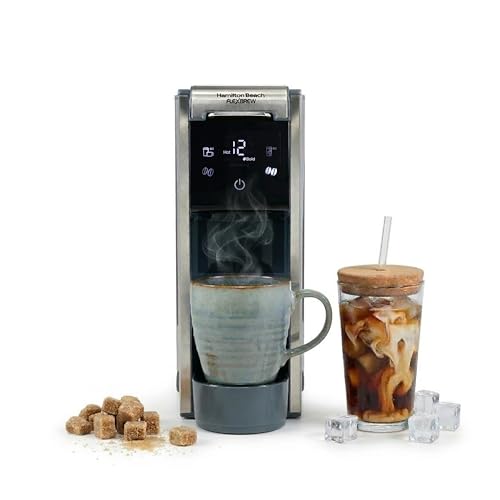
Hamilton Beach FlexBrew Advanced 4-in-1 Single Serve Coffee Maker

Amazon Basics Programmable 12 Cup Drip Coffee Maker with Glass Coffee Pot
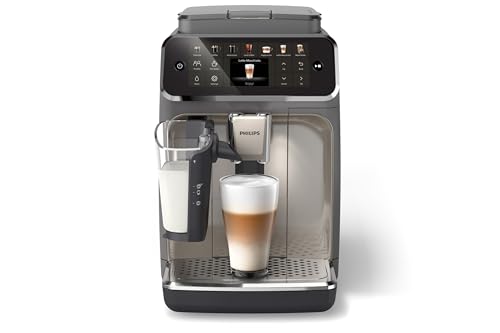
Philips 4400 Series Fully Automatic Espresso Machine EP4444/90

AIRMSEN 20 Bar Espresso Machine with Automatic Milk Frother

Gevi Touchscreen 12-Cup Coffee Maker Bold & Iced Brew

AMZCHEF 20 Bar Home Espresso Coffee Machine

De’Longhi Magnifica Plus Automatic Espresso Machine Silver
More Details On Our Top Picks
Dual-brew machines can save a lot of counter space, and this AIRMSEN model leans into that idea with a single machine for pods, grounds, and full-pot brewing. The 60-ounce tank, delay start, and two-hour keep-warm setting fit a household that starts the day in different ways. Touchscreen controls make the routine feel less clunky than a row of small physical buttons, though the glass carafe still asks for the usual careful handling.
In a home office, that mix can work well because one cup can happen fast while a group pot still makes sense later in the morning. The honest read is that it offers breadth more than café flair, so it suits practical kitchens better than espresso-focused setups.
Strong Points
- Handles both pods and ground coffee, so you can switch brewing styles without adding another machine.
- Full-pot brewing suits family kitchens and small offices where one cup never covers the whole crowd.
- Delay start helps you wake up to ready coffee, which is useful on rushed mornings.
- Two-hour keep-warm support keeps the pot usable for a while without restarting the brew cycle.
- Touchscreen controls make the settings easier to follow than cramped mechanical controls.
Things To Consider
- Glass carafes need a little more care during cleaning and storage than thermal jugs.
- The feature mix is broad, yet it stays in drip-coffee territory rather than espresso territory.
Feature Snapshot
Who Should Grab It
You’ll get the most from this one in a mixed-use kitchen where some mornings call for a single cup and others call for a full carafe.
A Better Fit Elsewhere
Hamilton Beach FlexBrew Advanced 4-in-1 Single Serve Coffee Maker suits a solo coffee routine better, especially for someone who leans on pods and wants hot or iced drinks from one compact setup.
This Hamilton Beach model is built for a coffee routine that changes day by day. You can use pod packs or ground coffee, and the 45-ounce reservoir gives you enough water for repeated single-serve brewing before a refill becomes necessary. The hot-and-iced angle is handy for summer kitchens, though it does ask you to think about cup size and brew style a little more carefully than a basic drip machine.
Compared with the AIRMSEN dual brewer, this one stays more focused on personal drinks and less on pot brewing. That makes it a cleaner fit for dorm desks, apartments, or anyone who mainly wants one cup at a time without giving up variety.
What We Like
- Pod packs and grounds both work here, so your routine stays flexible.
- Hot and iced coffee support broadens the drinks you can make from one brewer.
- Single-serve format keeps the footprint smaller than a full multi-cup station.
- The removable reservoir is easier to fill at the sink than a fixed tank.
Small Caveats
- Single-serve brewing means repeated cups still take time compared with a full-pot setup.
- People who serve a household may want the AIRMSEN dual brewer instead.
Details At A Glance
Whose Shelf It Belongs On
You’ll appreciate this most in a compact kitchen or work area where your coffee habits change between pods, grounds, and iced drinks.
Where A Sibling Pick Shines
AIRMSEN 12-Cup Programmable Dual Coffee Maker fits better for families or office spaces that want a touch screen plus full-pot brewing.
Some kitchens just need a no-drama drip brewer, and this Amazon Basics model leans into that role with a 12-cup carafe, touch screen, and programmable timer. The auto-pause function is useful when you want a cup before the basket finishes draining, and the removable filter basket keeps cleanup simpler. The black-and-silver look is plain, which helps it blend into a shared counter instead of becoming the center of attention.
Compared with the AIRMSEN dual brewer, this one is more straightforward and less flexible, but that also makes it easier to live with. It suits a steady morning routine better than a kitchen that wants pods, espresso, or iced specialty drinks.
Bright Spots
- 12-cup capacity works well for families and office break rooms.
- The programmable timer fits a set morning routine without much fuss.
- Auto pause helps you pour a cup before the full cycle wraps up.
- The removable filter basket makes daily rinsing and refilling easier.
Points To Note
- Glass carafes need more careful handling than thermal designs.
- It stays focused on standard drip coffee, so it is not the pick for espresso-style drinks.
Core Details
Made For
You’re the best match for this one if you want a familiar drip coffee routine with touch controls and an easy daily cleanup path.
A Better Fit Elsewhere
Gevi Touchscreen 12-Cup Coffee Maker suits you better when you want a more flexible hot-and-iced brew setup with a reusable filter.
Once you move into fully automatic espresso, the machine starts doing much more of the work for you. This Philips model combines an integrated grinder, LatteGo milk system, and 12 preset hot or iced recipes, so it suits kitchens that want espresso drinks without a lot of manual steps. SilentBrew is a welcome detail for early mornings, and the 15-bar pressure gives the machine the standard espresso-style push many households expect.
Compared with the simpler drip brewers above, this one asks for more space, more cleaning, and a higher comfort level with espresso drinks. The payoff is convenience at the cup level, especially for someone who wants variety without learning every manual barista move.
Upsides
- Integrated grinding and drink presets reduce the number of separate steps.
- LatteGo is built for milk drinks, which helps on latte-heavy mornings.
- SilentBrew can matter in shared homes where early noise is a concern.
- Hot and iced presets give you a wider drink range than basic drip machines.
- The fully automatic format suits busy routines that still want espresso variety.
Areas To Watch
- Automatic espresso machines usually need more cleaning attention than drip brewers.
- The learning curve is gentler than manual espresso, but it still asks for some setup space.
Feature Rundown
Right Fit For
You’ll like this most in a kitchen that wants espresso variety, milk drinks, and a more automated routine than a semi-manual machine can offer.
Look Elsewhere When
AMZCHEF 20 Bar Home Espresso Coffee Machine is the simpler route for someone who wants a starter espresso setup with a touchscreen and fewer moving parts.
This AIRMSEN espresso machine is aimed at home drinks that need a little more pressure and a little less guesswork. The 20-bar pump, dual-boiler layout, and automatic milk frother push it toward cappuccino and latte use, while the touchscreen keeps the front panel less cluttered than older knob-heavy machines. The stainless steel build should suit kitchens that want a more solid-looking appliance on the counter.
Compared with the Philips 4400 Series, this model looks less automated overall, but it can feel more approachable for someone who wants a semi-automatic routine instead of a full preset system. The honest read is that it favors hands-on drink building, so it suits espresso fans who like control more than convenience.
Reasons To Buy
- 20-bar pressure gives the machine a strong espresso-focused profile.
- Dual-boiler design supports faster workflow between brewing and milk work.
- Automatic milk frothing helps with cappuccino and latte drinks.
- The stainless steel body gives the machine a more durable kitchen presence.
- Touchscreen controls keep the interface cleaner than a crowded dial setup.
Worth Noting
- Semi-automatic machines usually ask for a little more involvement than fully automatic ones.
- Milk-frothing parts need regular rinsing to stay easy to live with.
- Espresso setup takes more attention than drip brewing, especially at first.
Spec Overview
The Right Fit
You’re the right match for this machine if you want more control than a fully automatic unit and prefer espresso drinks built around milk.
Skip It When
De’Longhi Magnifica Plus Automatic Espresso Machine Silver suits you better when you want more preset convenience, user profiles, and less hands-on drink assembly.
Gevi keeps things familiar, then adds a little more flexibility through bold and iced brew settings. The 12-cup glass carafe suits households that want a standard drip machine with a touch screen, a programmable timer, a four-hour warm plate, and a reusable filter. That warm plate stretches the useful window after brewing, which matters on slow weekends or in offices where coffee gets poured over time.
Compared with the Amazon Basics brewer, this one adds a more flexible brew profile and a longer warm window. It feels like the better fit for a kitchen that wants to cover both iced coffee and classic hot drip without moving into espresso territory.
Best Bits
- Bold and iced brew settings give you more drink flexibility than a plain drip brewer.
- The four-hour warm plate keeps coffee ready longer for staggered pours.
- Reusable filtration cuts down on disposable filter use and ongoing restocking.
- Programmable timing helps the morning routine feel more predictable.
Minor Gripes
- The glass carafe still needs careful handling during cleanup and storage.
- Family kitchens may still want the AIRMSEN dual brewer for pod and ground flexibility.
At A Glance
Built With In Mind
You’ll get the most from this model in a shared kitchen that wants a simple drip brewer with more range than the most basic touch screen units.
Reach For A Different Pick When
Hamilton Beach FlexBrew Advanced 4-in-1 Single Serve Coffee Maker fits better for someone who wants pod convenience and single-cup flexibility in a smaller footprint.
This AMZCHEF machine sits near the approachable end of the espresso lineup, and that’s its main strength. The LED touchscreen, built-in milk frother, and self-cleaning function are aimed at someone who wants cappuccinos and lattes without a steep learning curve. It feels especially sensible for a first espresso setup, where clear controls matter more than a long list of advanced extras.
Compared with the AIRMSEN 20 Bar model, this one sounds more beginner-friendly and less equipment-heavy. The trade-off is that you give up some of the more advanced structure of the dual-boiler approach, so it works best for simpler home drinks.
Positives
- LED touchscreen controls help keep the interface easy to read.
- Built-in frothing supports milk drinks without an extra appliance.
- Self-cleaning support reduces the hassle of daily upkeep.
- 20-bar espresso pressure gives the machine a serious home espresso profile.
Room For Improvement
- Starter-friendly design is helpful, but espresso still has a learning curve.
- The milk system and brew parts both need regular cleaning to stay pleasant to use.
Key Specs
Best Suited To
You’ll like this most if you want to start with espresso drinks at home and prefer a simpler path into milk-based drinks.
Another Choice May Suit
Philips 4400 Series Fully Automatic Espresso Machine EP4444/90 suits you better when preset variety and deeper automation matter more than a starter-friendly build.
De’Longhi’s Magnifica Plus aims at the user who wants espresso convenience to feel more personal. The built-in grinder, milk frother, 18 one-touch recipes, and four user profiles make it easier to keep different drink preferences under one roof. That kind of memory matters in a house with multiple coffee habits, because the machine can stay organized without making each cup a fresh setup exercise.
Compared with the Philips 4400 Series, this one leans harder into personalized presets and user profiles. The honest read is that it feels more tailored than the starter-friendly AMZCHEF, but it also asks for a bit more commitment in learning its options and keeping it clean.
Highlights
- Built-in grinding keeps the espresso process tighter and more convenient.
- Four user profiles help separate drink preferences in a shared household.
- 18 one-touch recipes give you a wide drink menu from one machine.
- The milk frother supports layered drinks without separate accessories.
Softer Spots
- More automation usually means more parts to keep clean and organized.
- The feature set makes the machine more involved than a basic drip brewer.
Core Details
Whose Shelf It Belongs On
You’re the right fit for this machine if you want a more personalized espresso setup for a shared kitchen or a routine that changes from one cup to the next.
Swap It Out When
Amazon Basics Programmable 12 Cup Drip Coffee Maker with Glass Coffee Pot makes more sense for someone who mainly wants simple drip coffee and a lighter routine.
How To Choose The Right Coffee Machines With Touch Screen
Start With Brew Style, Not The Screen
The touch screen is only part of the story. Drip brewers suit homes that want larger batches, while single-serve machines fit desks, apartments, and anyone who drinks one cup at a time. Espresso machines bring more flavor control and milk-drink options, but they also ask for more care and more counter space.
Think about the routine first, then the interface. A touchscreen feels helpful on a programmable drip brewer like the Amazon Basics unit, yet it serves a different job than the recipe menus on the Philips 4400 Series or De’Longhi Magnifica Plus.
Look Closely At Capacity And Water Storage
Tank size changes the daily rhythm more than many shoppers expect. A 45-ounce reservoir can suit a solo brewer or pair of coffee drinkers, while a 60-ounce tank makes more sense for a house with repeat cups or a small office. Full-pot machines reduce refill trips, and that matters when mornings move quickly.
Carafe size matters too. A 12-cup glass pot is useful for shared kitchens, but it adds a little fragility and usually needs gentler cleaning than a thermal container.
Match Controls To Your Tolerance For Setup
Some touch screens stay simple, while others open the door to presets, user profiles, or brew customization. A straightforward panel keeps daily use easy, which is helpful for people who want coffee without thinking about every setting. More advanced systems suit espresso fans who enjoy tailoring drinks and don’t mind learning the machine.
That’s where the higher-end models separate themselves. Built-in grinders, automatic milk systems, and recipe memory can save time, but they also add parts to rinse and more steps during maintenance.
Think About Cleanup Before You Think About Extras
The most convenient machine can turn into a hassle if the brew basket, frother, or water path needs constant attention. Reusable filters lower waste and keep ongoing upkeep simple, while removable reservoirs make filling easier at the sink. Glass components look familiar and clear, though they usually need more careful handling than sturdier pieces.
In a busy kitchen, easy wipe-down surfaces and removable parts matter more than flashy menus. A model that fits your cleaning habits is usually the one that stays pleasant after the first few weeks.
Things Worth Knowing First
Hidden Buying Traps
Many shoppers focus on touchscreen controls and miss the brewing format. A single-serve brewer won’t solve a family coffee rush, and a drip machine won’t give you true espresso drinks.
Another common miss is ignoring cleanup. Milk systems, grinders, and glass carafes all ask for more attention than a basic brewer, so the easiest-looking option is not always the easiest one to live with.
The Upgrade Payoff
Higher-tier machines cost more because they add automation, grinding, milk frothing, and saved user settings. Those extras matter most in households where coffee preferences vary or in kitchens that want café-style drinks without managing every step by hand.
The upgrade is worth it when you use those functions often. If your routine stays with plain drip coffee, a simpler touchscreen model usually makes more sense than a feature-heavy espresso machine.
Frequently Asked Questions
Do touch screens make coffee machines harder to use?
Usually not, because the controls are laid out more clearly than small buttons. The learning curve depends more on the brewing style than the display itself.
Are touch screen coffee machines only for espresso?
No, plenty of drip brewers use touch screens for timers and brew settings. Espresso models just tend to use them for more drink choices and custom settings.
Which machine style works best for a shared kitchen?
A full-pot drip brewer or a fully automatic espresso machine usually fits shared use better than a tiny single-serve unit. Capacity and refill frequency matter more than fancy controls.
Do milk frothers add much maintenance?
Yes, they add a cleaning step after use, especially with dairy-based drinks. The payoff is more drink variety, but you do need to stay on top of rinsing.
What matters most for first-time espresso use?
Simple controls, clear drink presets, and a manageable cleaning routine matter most. A starter-friendly machine with a touchscreen can make the process feel less intimidating.
Final Thoughts
The right coffee machine with a touch screen depends on how you drink coffee, not just how modern the panel looks. A drip brewer makes daily life easier for families and offices, while a single-serve machine fits smaller routines and a fully automatic espresso machine suits anyone who wants more drink variety with less manual effort. You can keep the choice simple by matching the machine to your cleanup habits, counter space, and morning pace. That’s usually the path to a setup you’ll still enjoy months later.
