

Coffee Machines Under 500 cover a lot of ground, from compact pod brewers to espresso machines with grinders and steam wands. That range matters because your best match depends on kitchen space, drink style, and how hands-on you want to be before work or after dinner. Some picks lean simple and fast, while others feel more like a small bar setup on your counter. The right one should fit your routine without turning mornings into a chore.
The Shortlist At A Glance

De’Longhi La Specialista Arte Evo Espresso Machine with Coffee Grinder

XIXUBX Compact Espresso & Cappuccino Machine

Chefman CraftBrew Espresso Machine

KEENSTAR 3.5Bar Espresso Machine 800W

XIXUBX Espresso Machine with Milk Frother

SHARDOR Espresso Machine 20 Bar
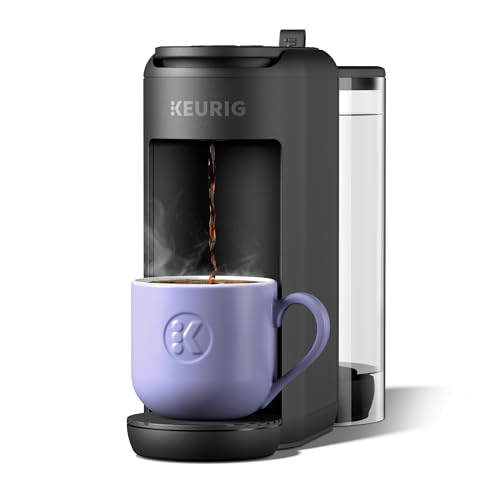
Keurig K-Mini Mate Plus Single-Serve K-Cup Pod Coffee Maker

AIRMSEN Espresso Machines with Burr Grinder
More Details On Our Top Picks
Because this De’Longhi folds grinding and espresso prep into one body, it suits kitchens where you want fewer separate tools on the counter. The built-in grinder and four preset recipes make it easier to move from beans to cup without a lot of guesswork, and the included barista toolkit adds a more hands-on feel.
That said, this sort of setup asks for a little more attention than a pod machine like the Keurig farther down the list. Home espresso fans who enjoy adjusting the process, especially for cappuccino or straight espresso, will get more out of it than someone who wants a one-button routine.
What We Like
- Built-in grinder keeps the workflow tight.
- Four preset drink options simplify everyday use.
- The milk frother supports café-style drinks at home.
- The toolkit helps you handle tamping and milk prep with less trial and error.
- Good fit for a counter that needs one main espresso station.
Things To Consider
- More involved than a simple pod brewer.
- The grinder adds steps, so cleanup takes a bit more effort.
- Not the easiest match for very rushed mornings.
Core Details
Who It Suits Best
Home espresso enthusiasts who want more control than a pod brewer and less clutter than separate grinder and machine pieces.
Where A Sibling Pick Shines
AIRMSEN Espresso Machines with Burr Grinder suits you better when you want a similarly involved setup with a different all-in-one approach.
Small counters and office nooks suit this XIXUBX machine, since its compact frame keeps the footprint modest while still offering espresso and cappuccino functions. The 3.5 bar pressure, 800W heating, and one-touch 4-cup brewing point to a simple routine rather than a deep espresso hobby.
The safety lock and Tritan cup give it a practical edge for lighter daily use, especially in shared spaces where quick cleanup matters. Compared with the De’Longhi above, it gives up polish and flexibility, but it also asks for much less space and less involvement.
Bright Spots
- Compact shape fits tight counters well.
- One-touch 4-cup brewing keeps the process simple.
- Fast heating helps the morning routine feel less slow.
- Steam wand support gives you room for milk drinks.
Small Caveats
- Lower pressure limits how far it can go with espresso depth.
- The lighter build suits casual use more than heavy daily volume.
- Milk frothing takes a little attention, as with most compact machines.
Feature Snapshot
Built With In Mind
Apartment dwellers, office kitchens, and casual espresso drinkers who want a smaller machine with straightforward controls.
Look Elsewhere When
Chefman CraftBrew Espresso Machine makes more sense for you when a digital interface and stronger pump pressure matter more than size.
Chefman’s CraftBrew lands in a nice middle ground for someone who wants more control than a tiny entry model without stepping into a more involved grinder setup. The 15-bar pump, digital controls, steam wand, and 1.5L removable reservoir give it a familiar espresso-machine shape for daily latte or cappuccino use.
That removable tank matters in a busy kitchen, because it makes refilling and rinsing less awkward. Compared with the XIXUBX compact machine, this one asks for a little more counter space, but it also gives you a more established espresso workflow.
Positives
- 15-bar pump pressure suits espresso-style drinks well.
- Digital controls make it easier to follow a routine.
- The steam wand supports milk-based drinks.
- 1.5L removable reservoir makes water changes simpler.
- Stainless steel construction usually feels sturdier on the counter.
Worth Noting
- It takes more space than the smallest compact machines.
- The steam wand adds a cleaning step after use.
Technical Sheet
Right Fit For
Espresso drinkers who want a straightforward semi-automatic machine for everyday milk drinks and a more traditional counter presence.
Skip It When
XIXUBX Compact Espresso & Cappuccino Machine suits you better when counter space is tight and your drink routine stays lighter.
KEENSTAR keeps things simple, and that makes sense for a first espresso machine or a secondary brewer in a smaller home. Its 3.5 bar pressure, 800W heating, preheat function, and steam wand point to a practical entry-level setup rather than a fussy one.
For someone who wants cappuccino or latte drinks without studying a long manual, that simplicity is the appeal. Compared with Chefman CraftBrew, it feels less feature-dense, but it also stays easier to place and easier to learn.
Reasons To Buy
- Compact size suits modest kitchens.
- Preheat support helps the routine feel smoother.
- Steam wand gives you milk drink options.
- Simple controls are friendly for a first-time setup.
Areas To Watch
- 3.5 bar pressure keeps it in the lighter espresso range.
- Best suited to modest daily volume, not heavy use.
- The smaller body usually means a smaller water routine.
Details At A Glance
Who Will Love This
Beginners and light-use households that want a straightforward espresso maker without taking over the counter.
A Better Fit Elsewhere
Chefman CraftBrew Espresso Machine suits you more if you want stronger pressure and a more polished digital layout.
This XIXUBX model leans more technical than the compact 3.5 bar machine above, so it suits a kitchen where espresso drinks are part of the routine instead of an occasional treat. The 20-bar pump, PID control, and low-vibration design point to a more controlled brewing experience, while the milk frother keeps latte and cappuccino use in reach.
PID means proportional, integral, derivative temperature control, a system that aims to hold heat more steadily during brewing. That matters for consistency, though it also means you’re dealing with a machine that asks for more attention than the simplest entry pick.
Highlights
- 20-bar pump gives it more headroom than the lower-pressure picks.
- PID control helps support steadier brew temperature.
- Low vibration can make the machine feel calmer on the counter.
- Milk frother widens your drink options.
- Compact form still suits smaller kitchens.
Points To Note
- More settings usually mean a little more learning.
- Regular cleaning around the frother and brew path still matters.
Core Details
The Right Fit
Home espresso fans who want a compact machine with more control than the entry-level options can offer.
Reach For A Different Pick When
KEENSTAR 3.5Bar Espresso Machine 800W makes more sense for you when you want the simplest path into home espresso.
SHARDOR pushes farther into feature territory, which is useful for someone who wants a more guided espresso routine without jumping to a much larger setup. The touchscreen and adjustable temperature are the headline details here, and the stainless steel body gives it a more polished look beside the earlier compact picks.
In a home kitchen where espresso turns into a daily habit, those controls can feel worth the extra attention. It’s a stronger fit than the KEENSTAR or XIXUBX entry models for someone who wants to fine-tune the cup and keep the workflow tidy.
Upsides
- Touchscreen control makes operation feel more direct.
- Adjustable temperature adds useful flexibility.
- 20-bar pressure gives it a more espresso-focused profile.
- Milk frother keeps latte and cappuccino options open.
- Stainless steel finish usually handles countertop wear well.
Minor Gripes
- More controls mean more steps for a quick cup.
- The stainless body can show smudges, so wiping it down becomes part of ownership.
Quick Facts
Whose Shelf It Belongs On
Espresso-focused home setups where you want a more modern control layout and room to adjust the brew.
Another Choice May Suit
Chefman CraftBrew Espresso Machine fits you better when you want a simpler digital machine with a removable reservoir.
This Keurig shifts away from espresso and into pod brewing, which makes it a strong fit for straightforward mornings and shared spaces. The compact shape, three cup-size options, brew-over-ice support, strong button, and 50 oz removable reservoir give it the kind of convenience that works well in a dorm, office, or busy household.
It’s less hands-on than the espresso models before it, and that’s the point. The trade-off is obvious, since you give up milk frothing and grinder control, but you gain speed and less cleanup around the counter.
Best Bits
- Single-serve brewing keeps the routine quick.
- Three size options add useful flexibility.
- Brew-over-ice support expands the drink range.
- Strong button feature suits a bolder cup.
- 50 oz removable reservoir reduces refill frequency.
Honest Caveats
- Pod brewing gives you less control than espresso machines.
- It’s a different style entirely, so milk-based café drinks need separate gear.
Core Details
Made For
Busy homes, office desks, and anyone who wants a fast single-serve brewer with a smaller footprint than a full espresso setup.
Swap It Out When
Chefman CraftBrew Espresso Machine suits you better when latte and cappuccino making matter more than pod convenience.
AIRMSEN stands out because it brings a burr grinder into the same footprint as the espresso machine, which helps keep the workflow more self-contained. The 20-bar pressure, steam wand, and stainless steel body put it in the more capable group here, and the extra drink range covers cappuccino, latte, cold brew iced coffee, and Americano.
That broader menu makes sense for a kitchen where one machine needs to do a lot. Compared with De’Longhi, it sounds a little less refined on paper, yet it still gives you grinder-based convenience without scattering separate tools across the counter.
Standout Traits
- Built-in burr grinder keeps the setup compact.
- 20-bar pressure supports a stronger espresso profile.
- Steam wand adds milk-froth flexibility.
- Cold brew iced coffee and Americano support widen the drink range.
- Stainless steel construction fits a more durable-feeling setup.
Softer Spots
- The broader feature set usually means more to learn at first.
- Cleaner storage and routine maintenance matter more with a grinder built in.
- Not the lightest option for someone who only wants a fast pod-style drink.
Feature Rundown
Whose Shelf It Belongs On
Home espresso users who want a more complete all-in-one station and do not mind a little more upkeep.
Not Your Match When
Keurig K-Mini Mate Plus Single-Serve K-Cup Pod Coffee Maker makes more sense when your priority is speed over a grinder-based setup.
How To Choose The Right Coffee Machines Under 500
Match The Machine To Your Drink Habit
Espresso machines under this ceiling split into two broad groups, semi-automatic models and pod brewers. Semi-automatic machines ask you to handle the grind, tamp, or milk step, while pod machines simplify the routine with sealed capsules and quicker cleanup. That difference matters more than brand names, because your morning pace decides which style feels natural. A hands-on drinker usually prefers pressure, temperature, and frothing control, while a faster routine leans toward size, refill ease, and fewer parts.
Read The Specs Like A Daily User
Pressure, water tank size, heating power, and control style shape the real ownership experience. Higher pressure can support a fuller espresso-style shot, but it also pairs best with a machine that gives you enough control to use it well. A removable reservoir, like the one on the Chefman CraftBrew, matters because refilling over a sink is easier than wrestling with a fixed tank. Small details like that separate a neat countertop helper from a machine that becomes annoying after week two.
Think About Space, Noise, And Cleanup
Counter depth is a real issue in compact kitchens, especially when a grinder or steam wand is part of the package. Burr grinders, steam wands, and removable tanks add capability, but they also add cleaning steps and more surfaces that need attention. Low-vibration designs can feel calmer in a studio apartment or early-morning shared home, while stainless steel bodies often hold up better to frequent wiping. Pod brewers usually win on speed and tidiness, though they give up the richer control that espresso-focused machines offer.
Spend According To How Often You’ll Use It
A basic machine makes sense for occasional cappuccino or a second brewer in a small space. A more advanced model pays off once espresso becomes part of the daily rhythm, because stronger pumps, temperature control, and better accessories start to matter. That’s where a machine like the De’Longhi or AIRMSEN feels more justified than a simpler entry option. The extra money usually buys smoother controls, broader drink range, and a setup that feels less compromised over time.
Things Worth Knowing First
Hidden Buying Traps
A common mistake is choosing pressure numbers without thinking about the rest of the setup. High pressure means little on its own if the machine lacks decent temperature control, a useful steam wand, or an easy-to-remove reservoir. Another trap is overestimating how much counter space you have left once the machine, mug, and accessory tools are all sitting out. Keep the whole routine in view, not just the headline spec.
The Upgrade Payoff
More expensive machines usually bring stronger materials, tighter control, and more flexibility in drinks. You’re paying for things like burr grinders, better temperature adjustment, touchscreen interfaces, and a more complete accessory set. That extra spend makes the most sense for households that brew often and want fewer compromises. For casual use, a simpler model can still do the job without crowding the counter or the schedule.
Frequently Asked Questions
What’s the biggest difference between espresso and pod machines?
Espresso machines use pressure, a portafilter-style workflow, and often a steam wand for milk drinks. Pod machines focus on speed and convenience with less control over the result.
Do compact coffee machines take up less cleanup time?
Usually, yes, but the answer depends on the parts included. A compact espresso machine with a grinder or steam wand can still need more wiping than a pod brewer.
Is a higher bar number always better?
No, because pressure is only part of the picture. Temperature stability, grind quality, and the rest of the brewing setup matter just as much.
Which style works better for cappuccino and latte drinks?
Espresso machines with a steam wand are the more natural fit. Pod brewers can be quick, but they do not handle milk frothing on their own.
What matters most in a small kitchen?
Footprint, reservoir access, and cleanup are the big three. A compact machine that’s easy to refill usually feels better than a larger model with more features.
Closing Thoughts
Your best match depends on how you drink coffee, not just how much you want to spend. A pod brewer works well for quick mornings, while a semi-automatic espresso machine makes more sense for people who like texture, milk foam, and a bit of ritual. The smartest choice is the one that fits your counter, your pace, and the drinks you actually make. Pick the machine that makes your routine easier, and it’ll earn its place fast.
