

You want a latte setup that fits your kitchen, your routine, and your tolerance for cleanup. Some machines keep things simple with a steam wand and a small footprint, while others add grinders, preset drinks, or automatic milk systems that make mornings feel less chaotic. This shortlist focuses on those practical trade-offs, so you can match the machine to the way you actually make coffee at home.
Quick Look At Our Shortlist

De’Longhi La Specialista Arte Evo Espresso Machine with Coffee Grinder

Hamilton Beach 2-Way Drip Coffee Maker & Single Serve Coffee Machine 12 Cup Glass Carafe 47502J

Chefman CraftBrew Espresso Machine 15-Bar Pump Digital Espresso Maker Stainless Steel

KEENSTAR 3.5Bar Espresso Machine 800W Compact 4-Cup Espresso Maker Black

XIXUBX Espresso Machine with Milk Frother for Cappuccino & Latte 20-Bar Pump Stainless Steel

Ninja Luxe Café Pro Series ES701 Espresso, Cold Brew, Hot Water, Drip Coffee
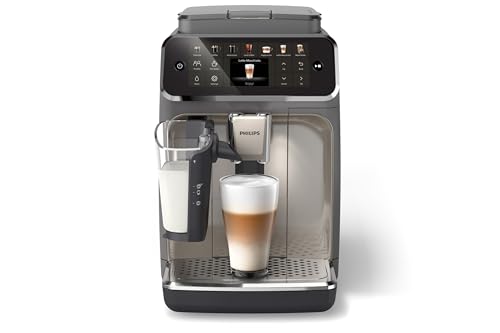
Philips 4400 Series Fully Automatic Espresso Machine LatteGo Milk System EP4444/90

AIRMSEN 20 Bar Espresso Machine with Automatic Milk Frother Stainless Steel
More Details On Our Top Picks
De’Longhi leans into the hands-on side of latte making here, with a built-in grinder and a barista toolkit that suits a kitchen where espresso is part ritual, not just habit. The four preset recipes keep the routine from feeling fussy, though the trade-off is that you still get a more involved workflow than a fully automatic machine.
That balance makes sense for home espresso fans who want fresh grounds and control over milk texture without jumping to a bulky café-style setup. The silver finish fits neatly on a counter, and the main compromise is that cleanup will feel more involved than on the simpler picks below.
Strong Points
- Built-in grinder keeps the coffee path compact.
- Four preset drinks make weekday routines easier.
- Milk frothing support helps with lattes and cappuccinos.
- Barista toolkit adds useful hands-on accessories.
- Good fit for kitchens that want fresh grinding at home.
Things To Consider
- Manual steps mean more learning than a fully automatic option.
- Grinding and frothing add cleanup after each use.
- The countertop footprint may feel larger than compact espresso-only machines.
Feature Snapshot
Who It Suits Best
Home espresso enthusiasts who want more control over grind and milk texture will get the most from this machine.
Where A Sibling Pick Shines
Philips 4400 Series Fully Automatic Espresso Machine LatteGo Milk System EP4444/90 suits you better when convenience matters more than hands-on prep.
Hamilton Beach takes a different path from the espresso-first machines above, because this one serves both a 12-cup carafe and a single-serve cup. That flexibility suits households where one person wants a full pot and another wants just enough for a quick morning mug.
The AquaFlow showerhead is a useful detail, since even water spread helps the grounds extract more evenly in a drip setup. You may find it less satisfying for true latte lovers, though, because this is more of a coffee station than a milk-texture machine.
What We Like
- Dual brewing styles fit mixed routines well.
- Glass carafe works for larger morning batches.
- Single-serve side keeps small servings simple.
- Auto pause and pour helps during rushed mornings.
Worth Noting
- It does not replace a real espresso brewer for latte drinks.
- Glass carafes need a bit more care than thermal options.
- Counter space can disappear quickly in smaller kitchens.
At A Glance
Built With In Mind
Households that split between full pots and single cups will find this one especially convenient.
Look Elsewhere When
Chefman CraftBrew Espresso Machine 15-Bar Pump Digital Espresso Maker Stainless Steel suits you better for true latte drinks and espresso-based routines.
Chefman gives you a more traditional semiautomatic espresso setup, which suits a kitchen where the drink is part craft and part routine. The 15-bar pump, a pressure system measured in bars, gives you a familiar espresso-style workflow, while the steam wand handles milk for cappuccinos and lattes.
Compared with De’Longhi’s more feature-rich setup, this one is simpler to live with and easier to justify for a first espresso machine. The 1.5-liter removable reservoir helps during a busy week, though the manual milk step still asks for a little attention.
Upsides
- 15-bar pump supports a classic espresso routine.
- Digital controls keep the interface straightforward.
- Steam wand gives you milk-frothing control.
- Removable reservoir simplifies refilling and rinsing.
- Stainless steel body feels suited to regular use.
Areas To Watch
- Manual milk texturing takes practice.
- The reservoir size is practical, but not oversized.
- Espresso-only focus makes it less flexible than combo machines.
Details At A Glance
Right Fit For
Beginners who want a straightforward espresso machine with room to learn milk steaming will feel at home here.
Skip It When
Ninja Luxe Café Pro Series ES701 Espresso, Cold Brew, Hot Water, Drip Coffee suits you better when you want more drink styles in one appliance.
KEENSTAR is the smallest-feeling pick here, and that matters more than headline power in a cramped apartment kitchen. The 3.5-bar pressure and 800-watt heating setup keep the machine focused on modest home use, while the steam wand gives you enough room to make latte-style drinks without turning the counter into a full coffee station.
It works best for light daily use and for people who care more about size and simplicity than rich espresso nuance. The 4-cup format also makes it easier to manage for one or two drinks, though larger households will likely outgrow it quickly.
Bright Spots
- Very small footprint suits tight counters.
- Fast heating helps you get moving sooner.
- Steam wand handles basic milk frothing.
- Simple 4-cup design feels easy to live with.
Small Caveats
- Lower pressure limits how much espresso control you get.
- Best suited to lighter coffee routines.
- The compact build means fewer conveniences than larger machines.
Quick Facts
Whose Shelf It Belongs On
Small-space dwellers and occasional espresso drinkers will appreciate how little room this one asks for.
Another Choice May Suit
AIRMSEN 20 Bar Espresso Machine with Automatic Milk Frother Stainless Steel makes more sense for households that want stronger pressure and a more automated milk step.
XIXUBX brings a more pressure-forward espresso setup, and the built-in gauge gives you a visual cue that helps the process feel less guessy. That matters for home latte drinkers who want a little feedback while pulling shots, especially compared with the simpler KEENSTAR above.
The 42-ounce removable tank is a comfortable middle ground for a few drinks before refilling, and the included frothing pitcher is a handy touch. The honest read is that this is a manual machine through and through, so you still need some patience for milk and shot prep.
Reasons To Buy
- 20-bar pump gives you a stronger home espresso profile.
- Pressure gauge helps you monitor the brew feel.
- Milk frothing pitcher adds practical value out of the box.
- Removable 42-ounce tank suits everyday household use.
- Stainless steel finish tends to fit busy kitchens well.
Points To Note
- Manual workflow asks for more attention than automatic systems.
- Milk texturing still takes practice.
- The footprint is larger than the smallest compact picks.
Core Details
Best Suited To
Hands-on espresso fans who like visible control and a straightforward accessory set will get the most from this machine.
Swap It Out When
Philips 4400 Series Fully Automatic Espresso Machine LatteGo Milk System EP4444/90 suits you better when you want less manual effort and more preset drink support.
Ninja’s ES701 is the most flexible machine in this list, because it goes beyond latte duty and into espresso, drip coffee, cold brew, and hot water. The integrated grinder and hands-free frother make it feel built for a kitchen where different people want different drinks, and nobody wants to set up four separate appliances.
That breadth does come with a more involved footprint and a more complex daily routine than the simpler espresso-only machines. For multi-drink households, though, it’s a strong fit, especially when dairy and non-dairy milk both need to work smoothly.
Highlights
- Multiple drink modes cover a wide range of routines.
- Built-in grinder keeps prep streamlined.
- Integrated tamper helps make espresso prep cleaner.
- Hands-free frother helps with latte and cappuccino drinks.
- Works well in homes with different coffee habits.
Minor Gripes
- More functions usually mean more counter presence.
- Learning the menu takes longer than on simpler machines.
- Cleaning more parts takes a little extra time.
Feature Card
Who Should Grab It
Households that bounce between espresso, drip coffee, and hot water will get the most from this all-purpose setup.
Where Another Pick Suits Better
Chefman CraftBrew Espresso Machine 15-Bar Pump Digital Espresso Maker Stainless Steel is the cleaner match for someone who only wants espresso and milk drinks.
Philips is the closest thing here to a true push-button latte routine, thanks to the LatteGo milk system and the integrated grinder. The 12 presets cover both hot and iced drinks, so the machine suits a kitchen where one person wants an afternoon iced coffee and another wants a classic latte before work.
The SilentBrew feature is a useful comfort point in homes where early noise matters, and the 15-bar pressure keeps the setup in familiar espresso territory. Compared with Ninja’s broader menu, this one feels more focused on coffee and espresso convenience rather than kitchen-wide versatility.
Standout Traits
- Fully automatic workflow reduces daily effort.
- LatteGo milk handling is built for easy drink prep.
- Integrated grinder keeps fresh-ground brewing in one unit.
- 12 presets cover a wide drink range.
- SilentBrew suits households that value quieter mornings.
Honest Caveats
- More automation usually means more parts to keep clean.
- The learning curve is light, but still present.
- Its focus stays on espresso and coffee drinks, not broader kitchen tasks.
Key Specs
Perfect Match For
Busy households that want latte convenience without a lot of manual steps will appreciate this machine most.
Consider Something Else When
Ninja Luxe Café Pro Series ES701 Espresso, Cold Brew, Hot Water, Drip Coffee is the better fit when your kitchen needs several drink styles beyond espresso and latte drinks.
AIRMSEN is built for speed-minded latte routines, with a dual-boiler setup that splits heating tasks and a touchscreen that keeps controls direct. The 60-ounce water tank gives you room to make several drinks before refilling, which matters in homes where coffee duty runs all morning.
Compared with Philips, this one feels more manual in spirit but still easier to live with than a basic steam-wand machine. The automatic milk frother is the part that saves the most time, though the larger footprint is the trade-off for that convenience.
Best Bits
- Dual-boiler design supports quicker workflow.
- Automatic milk frothing trims down effort.
- Touchscreen controls make daily use feel straightforward.
- Large tank suits repeated drinks through the day.
Room For Improvement
- More capability usually brings a larger countertop presence.
- Automatic systems still need regular cleaning.
- The interface may feel more detailed than a basic machine.
Core Details
Made For
Households that want a faster espresso-and-latte workflow without moving into a fully automatic premium machine will get strong value here.
A Better Fit Elsewhere
Philips 4400 Series Fully Automatic Espresso Machine LatteGo Milk System EP4444/90 is the better match for anyone who wants maximum automation and preset drink variety.
How To Choose The Right Coffee Machines For Latte
Match The Machine To Your Milk Routine
Latte drinkers usually care about two things: espresso quality and milk texture. A steam wand gives you more control and a little more learning curve, while an automatic frother makes the process simpler and faster.
Home setups with a steam wand suit people who like shaping foam by hand. Automatic milk systems fit mornings that move quickly, especially in homes where more than one person wants the same drink style.
Look Closely At Pressure, Grinder, And Tank Size
Pressure is part of how espresso-style machines build extraction, and a grinder keeps fresh beans in the same workflow. Those details matter because they shape both flavor and daily convenience.
A removable tank also matters more than it sounds. Smaller tanks are fine for one or two drinks, while larger tanks keep refills from interrupting a busy morning.
Pick The Right Amount Of Automation
Fully automatic machines make the latte routine easier, but they also add parts and cleaning steps. Semiautomatic machines give you more control, though they ask for more involvement from grind to froth.
The right choice depends on how much effort you want to spend on a weekday morning. A hands-on machine can feel satisfying, yet a more automatic pick often fits better in homes where coffee needs to be quick and repeatable.
Balance Counter Space With Drink Variety
Compact espresso makers work well in apartments and small kitchens. Larger combo machines earn their place when you want espresso, drip coffee, hot water, or cold brew from one body.
That extra flexibility usually means a larger footprint and a more complex interface. For most kitchens, the better machine is the one that matches your habits without crowding the counter.
What To Weigh Before You Choose
Mistakes Worth Dodging
Many shoppers focus on bar numbers alone and ignore the milk side of the drink. A strong pressure rating does not help much if the frother, reservoir, or controls do not suit your routine.
Another common misstep is buying more machine than your kitchen can comfortably host. A compact apartment setup and a sprawling combo brewer solve very different problems.
The Upgrade Payoff
Higher-tier models usually cost more because they fold in grinders, automatic milk systems, quieter operation, or more drink presets. Those parts add convenience, but they also add size and cleaning work.
Spending up makes sense when latte drinks are part of your daily rhythm. It matters less for occasional use, where a simpler semiautomatic machine can still do the job without taking over the counter.
Frequently Asked Questions
What makes a coffee machine good for lattes?
You want a machine that handles espresso and milk well enough to create a balanced drink. A steam wand or automatic frother matters just as much as brew pressure.
Do you need a grinder for latte drinks?
You do not need one, but an integrated grinder can make the routine neater. It also keeps the whole process in one machine instead of spreading parts across the counter.
Are automatic milk systems easier to live with?
Usually, yes, because they reduce the hands-on work during busy mornings. The trade-off is that they add parts that need regular cleaning.
Is a combo machine worth it for latte fans?
It can be, especially in homes where coffee preferences differ from person to person. A combo machine earns its keep when you want more than espresso and milk drinks from one appliance.
How much counter space should you expect to give up?
Compact espresso makers take far less room than all-in-one brewers. The larger the drink menu and automation level, the more space the machine usually asks for.
Closing Thoughts
The best coffee machine for latte work depends on how much control you want, how much cleaning you can live with, and how crowded your counter already feels. A simple steam-wand machine suits hands-on mornings, while a fully automatic setup fits busy homes that want speed and consistency. Once you match those habits to the features, the right choice becomes pretty clear. The rest is just picking the machine that fits your kitchen without getting in the way.
