

You want a machine that fits the way you actually make coffee, not a glossy appliance that looks impressive and then gets ignored. Some kitchens need compact espresso makers with a fast warm-up, while others make more sense with fully automatic models that handle grinding and milk work for you. This roundup keeps the focus on real use, from quick weekday lattes to larger setups that can serve a few cups without feeling fussy.
Quick Look At The Shortlist

De’Longhi La Specialista Arte Evo Espresso Machine with Coffee Grinder

KEENSTAR 3.5Bar Espresso Machine 800W, Compact 4-Cup Espresso Maker

Ninja Luxe Café Pro Series ES701
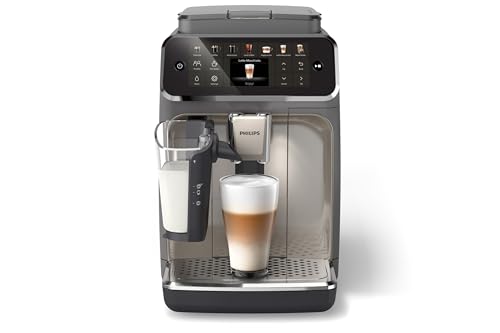
Philips 4400 Series Fully Automatic Espresso Machine EP4444/90

AIRMSEN 20 Bar Espresso Machine with Automatic Milk Frother

AMZCHEF 20 Bar Home Espresso Coffee Machine

SHARDOR Espresso Machine 20 Bar with Milk Frother and Touchscreen

PHILIPS 5500 Series Fully Automatic Espresso Machine EP5544/94
More Details On Our Top Picks
This one suits you if you want more say over the shot, the grind, and the milk texture instead of pressing a single button and hoping for the best. The built-in grinder keeps the footprint tighter than a separate grinder setup, and the barista toolkit points you toward a more hands-on routine. That’s a real advantage in a home kitchen where counter space matters but you still want a proper espresso workflow.
The trade-off is obvious, you have more to manage than with a fully automatic model like the Philips 5500 Series. That extra control helps detail-oriented users, though it also asks for a little more cleanup and a steadier morning routine.
Strong Points
- Built-in grinder keeps the setup compact.
- Four preset recipes simplify repeat drinks.
- Milk frothing support helps with lattes and cappuccinos.
- The included toolkit suits a more hands-on routine.
- Good fit for a counter that cannot spare space for extra gear.
Things To Consider
- Manual-style operation asks for more involvement than auto-froth machines.
- The toolkit and grinder add parts to clean and store.
- Less hands-off than the Philips 5500 Series or Ninja Luxe Café Pro Series.
Feature Snapshot
Who It Suits Best
You fit this machine best if you like shaping the drink a little yourself and want a compact all-in-one setup for everyday espresso, latte, or cappuccino use.
A Better Fit Elsewhere
PHILIPS 5500 Series Fully Automatic Espresso Machine EP5544/90 suits you better if you want more automation and less hands-on work in a busy household.
Counter space stays the main story here, and KEENSTAR leans into that with a small frame and a 4-cup format. The 3.5-bar pressure and 800W heating setup point to a simpler espresso experience, which suits you better for occasional drinks than for a crowd. In a first apartment, dorm-style kitchen, or narrow galley layout, that modest size can feel like a relief.
The steam wand gives you a path to cappuccino and latte foam, though the overall setup is still more basic than the De’Longhi or AIRMSEN machines. That makes sense, because this pick is about keeping the ritual simple rather than chasing a more elaborate café-style workflow.
Highlights
- Small footprint fits tight counters well.
- 4-cup capacity works for solo use or a pair of drinks.
- Fast preheat language suggests a shorter start-up routine.
- Steam wand adds foam for milk drinks.
Points To Note
- Lower pressure keeps expectations modest compared with 20-bar models.
- Best suited to light use, not bigger brunch routines.
- More basic than the fully automatic Philips machines.
Details At A Glance
Who Will Love This
You suit this pick best if you want an easygoing starter machine for small kitchens and occasional latte making.
Swap It Out When
AMZCHEF 20 Bar Home Espresso Coffee Machine makes more sense if you want a stronger feature set and a more modern touchscreen feel.
The Ninja Luxe Café Pro Series covers more than latte duty, and that breadth is its biggest draw. Espresso, cold brew, hot water, and drip coffee all sit in the same machine, so your kitchen can handle a morning pour-over one day and a milk drink the next. For mixed households, that kind of flexibility keeps one appliance from becoming a one-note gadget.
The integrated tamper and built-in grinder make the workflow feel more complete than the KEENSTAR, while the hands-free frother speaks to people who want less manual milk handling. The honest read is that this machine suits a kitchen where several coffee habits need to coexist without a lineup of separate devices.
What We Like
- Multiple drink styles reduce the need for separate gear.
- Built-in grinder supports fresh grounds without extra clutter.
- Integrated tamper streamlines puck prep for espresso.
- Hands-free frother helps with lattes and cappuccinos.
- Works well in homes with both milk drinks and plain coffee.
Room For Improvement
- More functions usually mean a busier learning curve.
- Extra parts can take more time to clean and organize.
- Broader capability may be unnecessary for a simple latte routine.
Core Details
Made For
You fit this machine best if your kitchen handles more than espresso and you want one setup for espresso shots, milk drinks, and drip-style coffee.
Another Choice May Suit
De’Longhi La Specialista Arte Evo Espresso Machine with Coffee Grinder suits you better if you want a more focused espresso-first routine with a smaller feature spread.
This Philips model leans toward a calmer, more automated morning. The LatteGo milk system, integrated grinder, and 12 hot and iced presets help it serve both warm drinks and chilled coffee styles without asking you to micromanage each step. In a busy household, that can feel like a small victory every weekday morning.
Compared with the Ninja Luxe Café Pro Series, this one is narrower in drink variety but more clearly focused on easy espresso and milk preparation. SilentBrew and quick-start behavior matter most when the kitchen wakes up before everyone else does, and the 15-bar pressure gives the machine a more traditional espresso-style profile.
Upsides
- LatteGo milk system keeps frothing simple.
- Integrated grinder reduces separate equipment needs.
- 12 preset drinks cover hot and iced routines.
- Quick-start behavior helps rushed mornings feel easier.
- SilentBrew language suits homes that prefer a quieter machine.
Minor Gripes
- Less flexible than the Ninja for mixed brewing styles.
- Automation can be less satisfying for hands-on hobbyists.
- Milk system parts still need routine cleaning.
At A Glance
The Right Fit
You suit this machine best if you want a set-and-serve espresso routine with milk drinks built in and very little fuss.
Where A Sibling Pick Shines
PHILIPS 5500 Series Fully Automatic Espresso Machine EP5544/94 is the better step-up for households that want a broader preset menu and a more premium-feeling daily routine.
A dual-boiler setup changes the pace of the morning, because one boiler can focus on brew work while the other handles steam-related tasks. AIRMSEN pairs that idea with a 20-bar pump, a touchscreen, a 60-ounce tank, and stainless steel construction, so you get a more serious countertop presence than the KEENSTAR or AMZCHEF models. For homes that make several latte drinks in a week, the larger water tank also means fewer refill interruptions.
The automatic milk frother gives you a more guided path than the De’Longhi, while the touchscreen keeps the interface approachable. One thing worth considering, though, is that a richer feature set usually comes with more parts to wipe down and more habits to learn.
Best Bits
- 20-bar pressure supports a more confident espresso routine.
- Dual-boiler setup suits back-to-back drink making.
- 60-ounce tank reduces refill frequency.
- Automatic frother helps with cappuccino and latte drinks.
- Touchscreen keeps control points easy to follow.
Areas To Watch
- More hardware means more cleaning after use.
- Dual-boiler systems can feel more involved than basic machines.
- Not as multi-brew flexible as the Ninja Luxe Café Pro Series.
Technical Sheet
Who Should Grab It
You fit this pick best if you make latte drinks often and want a machine that feels quicker and more capable than a basic starter setup.
Look Elsewhere When
KEENSTAR 3.5Bar Espresso Machine 800W makes more sense if your kitchen is tiny and you only need a light-duty espresso routine.
AMZCHEF aims for the person who wants a straightforward espresso machine without a long learning curve. The LED touchscreen, built-in milk frother, and self-cleaning function point to a setup that feels easier to live with than some more manual models. That can matter a lot in a weekday kitchen, where the difference between “easy” and “fussy” decides whether the machine gets used.
Compared with the AIRMSEN, this one keeps the idea simpler and more approachable. You still get 20-bar pressure and latte support, so the core drink format stays familiar, but the overall package feels a little friendlier for a first espresso setup.
Reasons To Buy
- LED touchscreen makes the interface feel approachable.
- Built-in frother helps with milk drinks.
- Self-cleaning function reduces some routine upkeep.
- 20-bar setup suits espresso and latte basics.
Softer Spots
- Less feature-heavy than the Ninja or Philips models.
- Designed more for simplicity than for experimentation.
- Touchscreen convenience does not remove all cleanup.
Feature Rundown
Best Suited To
You fit this machine best if you want a simple home espresso setup with milk drink support and less day-to-day fuss.
Where Shoppers Go Wrong
SHARDOR Espresso Machine 20 Bar with Milk Frother and Touchscreen suits you better if adjustable temperature matters more than self-cleaning convenience.
SHARDOR is the adjustment-minded pick in this group, thanks to its temperature control and touchscreen interface. That makes it a sensible option for you if you care about tuning the cup rather than simply pressing start and moving on. The stainless steel body also gives it a more grounded feel than some lighter starter machines.
Compared with the AMZCHEF, this model leans toward more control, while the Philips machines lean harder into automation. The honest read is that it suits someone who wants a little more say in the final cup without jumping into a fully manual espresso setup.
Bright Spots
- Adjustable temperature adds useful brew control.
- 20-bar pressure supports espresso and milk drinks.
- Touchscreen keeps operation straightforward.
- Stainless steel finish suits a busy countertop.
Small Caveats
- Manual control still means more attention than a fully automatic machine.
- Touchscreen convenience does not shorten cleanup.
- Less all-in-one than the Philips 4400 or 5500 Series.
Core Details
Whose Shelf It Belongs On
You fit this machine best if you want a hands-on espresso setup with a little more control over temperature and milk drinks.
Reach For A Different Pick When
Ninja Luxe Café Pro Series ES701 suits you better if your kitchen needs espresso, drip coffee, cold brew, and hot water in one place.
This is the most set-and-forget style pick in the group, which matters a lot in a household where coffee needs change from one person to the next. The LatteGo milk system, integrated grinder, 20 hot and iced presets, quick-start behavior, and SilentBrew all point to a machine built for comfort rather than tinkering. For everyday use, that combination can feel as smooth as a well-managed morning routine.
Compared with the Philips 4400 Series, you get a broader preset spread, and that extra range is where the premium angle starts to show. The trade-off is straightforward, you are paying for more convenience features, not for a more hands-on barista experience.
Best Bits
- 20 presets cover a wider range of drink habits.
- LatteGo system keeps milk handling simple.
- Integrated grinder supports bean-to-cup convenience.
- Quick-start behavior helps busy mornings move faster.
- SilentBrew language suits quieter kitchens.
Worth Noting
- More convenience usually means a higher step up in cost.
- Automatic systems still need regular cleaning of milk parts.
- Less hands-on than the De’Longhi or SHARDOR picks.
Feature Card
Built With In Mind
You fit this machine best if you want broad preset coverage, simple milk drinks, and a fully automatic routine for daily use.
Why Top Tier Costs More
PHILIPS 4400 Series Fully Automatic Espresso Machine EP4444/90 is the more sensible choice if you want good automation without stepping into the extra preset range and premium comfort focus here.
How To Choose The Right Coffee Latte Machines
Brew Style Comes First
Start with how much control you want over the drink. Semi-automatic machines, like the De’Longhi, SHARDOR, and AMZCHEF picks, ask you to participate in the process, which suits you if you like adjusting the shot and milk texture. Fully automatic models, such as the Philips 4400 and 5500 Series, remove more of that work, which makes them easier to live with on rushed mornings.
That difference matters more than many shoppers expect. A machine with a built-in grinder and milk system can save counter space and reduce extra steps, while a simpler machine may ask for a separate grinder or a little more patience. Match the workflow to your routine, not the other way around.
Check The Milk Path
Milk handling shapes latte comfort as much as pressure or wattage. A hands-free frother, LatteGo system, or automatic milk frother changes the feel of the machine, especially for households that make several milk drinks each week. Manual steam wands are fine for people who enjoy the process, but they take more attention and cleanup.
Think about the drinks you actually make. Cappuccino and latte fans usually benefit from an easier milk system, while straight espresso drinkers can keep the setup simpler and more compact. The right choice keeps the drink you make most often from becoming a chore.
Size, Noise, And Cleanup Matter
Counter space can decide the whole purchase. A compact unit like the KEENSTAR sits more comfortably in a small kitchen, while larger systems such as the AIRMSEN or Philips 5500 ask for more room but give back more convenience. Stainless steel bodies, larger water tanks, and integrated grinders usually make the machine feel more substantial, though they also make wiping and storage a little more involved.
Noise is worth a thought too, especially in open-plan homes. Quiet-start features and lower-drama routines suit early mornings, while more feature-heavy machines make sense when you want fewer manual steps and don’t mind a bigger presence on the counter.
Choose By Daily Habit
Match the machine to your pace. Occasional latte drinkers can stay comfortable with a compact, simple machine, while daily espresso households usually get more value from an automatic model with presets and an integrated grinder. A machine that matches your habit tends to feel easier, cleaner, and less fussy over time.
What To Weigh Before You Click
Common Shopping Slip Ups
Many people focus on pressure alone and miss the rest of the workflow. A 20-bar label sounds strong, but milk handling, tank size, and cleanup habits matter just as much in a normal kitchen.
Another easy miss is buying a large machine for a small counter. The compact KEENSTAR makes sense in tight spaces, while the Philips 5500 or AIRMSEN only really shine when you have room to spare.
The Upgrade Payoff
More expensive machines usually buy you automation, not magic. Integrated grinders, preset drink menus, automatic frothers, and quieter operation add convenience that shows up every morning, especially in busy homes.
That extra spend makes the most sense when the machine becomes part of your daily routine. If you make one latte a week, a simpler setup is usually enough, but frequent coffee drinkers tend to notice the convenience quickly.
Frequently Asked Questions
What makes a good latte machine for home use?
You want steady milk frothing, a straightforward control layout, and a size that fits your counter. Integrated grinding and presets help a lot when you want less setup each morning.
Is a 20-bar machine always better?
No, because pressure is only one part of the cup. The way the machine handles water, heat, and milk matters just as much in daily use.
Are fully automatic machines easier to maintain?
They’re usually easier to use, but milk systems and grinders still need routine care. The convenience is real, yet cleanup never disappears completely.
Which pick suits a small kitchen?
KEENSTAR 3.5Bar Espresso Machine 800W is the easiest fit for tight counters. It keeps the footprint modest and avoids the bulk of the larger automatic models.
Which machine suits mixed coffee habits?
Ninja Luxe Café Pro Series ES701 is the most flexible pick here. It handles espresso, drip coffee, cold brew, and hot water, so it fits households with different coffee routines.
Final Thoughts
The best choice depends on how much control you want and how much cleanup you’re willing to accept. De’Longhi and SHARDOR suit hands-on espresso routines, while Philips and Ninja lean toward easier daily use with more built-in help. Compact models like KEENSTAR make sense in smaller spaces, and AIRMSEN sits near the serious end of the semi-automatic group. Pick the machine that matches your mornings, because that’s the one you’ll keep reaching for.
