

Office coffee has a narrow job: it needs to brew cleanly, keep a steady flavor, and work for more than one kind of drinker before the morning rush turns the break area into a traffic jam. You’re usually balancing crowd size, machine type, and how much cleanup your team will tolerate. These eight picks cover everything from portioned filter packs to larger canisters, so you can match the coffee to the space instead of making the space adapt to the coffee.
The Shortlist At A Glance

Folgers Classic Roast Medium Roast Ground Coffee 40-1.05 Ounce Filter Packs

Peet’s Coffee Breakfast Blend 28 Ounce Bag

Colonial Coffee Ground Frac Packs Breakfast Blend 32-Count
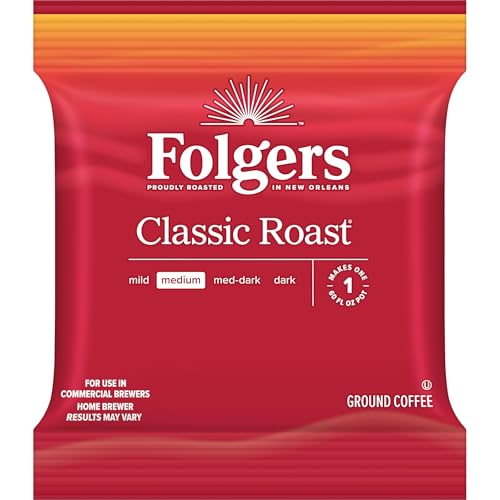
Folgers Classic Roast Medium Roast Ground Coffee 42-1.5 Ounce Fraction Packets

Maxwell House Ground Coffee Special Delivery 1.2 oz. Pkts

Fresh Roasted Coffee 100% Colombian Drip Ground Fractional Packs 1.75 oz

Maxwell House Ground Coffee Wake Up Roast 40.4 oz

Colonial Coffee Ground Frac Packs Colombian 32-Count
More Details On Our Top Picks
Portion packs make this Folgers option easy to handle in a shared kitchen, especially when several people brew at different times. The medium roast style is familiar and steady, which helps in offices that want a crowd-friendly cup without extra fuss.
That simplicity is the main appeal, and it also sets the trade-off, since single-use filter packs usually give you less room to adjust strength. For teams that value speed, less mess, and a known flavor profile, this one fits neatly beside the more characterful Peet’s bag.
What We Like
- Pre-portioned packs keep measuring simple during busy mornings.
- The classic medium roast profile feels familiar for mixed taste preferences.
- Works well in common drip brewers, which keeps setup straightforward.
- Individual packs help reduce loose grounds around the coffee station.
Things To Consider
- Single-serve style can feel less flexible for stronger or lighter brews.
- Filter packs take more storage space than a plain bag of grounds.
Feature Snapshot
Who It Suits Best
Office kitchens with standard drip machines and rotating coffee drinkers get the most from this format.
A Better Fit Elsewhere
Colonial Coffee Ground Frac Packs Breakfast Blend 32-Count suits crews that want portioned packs with a brighter morning profile.
Compared with the more utilitarian Folgers packs, this Peet’s bag leans toward a cleaner, more coffee-forward daily cup. The 100% Arabica bean note matters because Arabica typically brings a smoother, more layered profile than harsher bulk blends, which suits offices where people notice flavor.
You may find the bag format better for a kitchen with a steady brewing rhythm, since it gives you more control over dose and grind-to-brew habits. The trade-off is the usual one, a little more measuring and cleanup than portion packs, but for quality-focused teams that feels worth it.
Highlights
- Arabica-based blend tends to feel smoother in the cup.
- Bag format gives you flexibility over brew strength.
- Medium roast keeps it approachable for a wide group.
- Works well for teams that care about a less blunt flavor.
Minor Gripes
- Loose grounds mean a bit more measuring and storage attention.
- The bag format is less tidy than pre-portioned packs.
Core Details
Best Suited To
Quality-minded office kitchens that brew often and don’t mind basic measuring will get the most from this bag.
Swap It Out When
Folgers Classic Roast Medium Roast Ground Coffee 40-1.05 Ounce Filter Packs makes more sense for teams that want pre-portioned convenience first.
Colonial’s fractional pack format sits in the same convenience lane as the Folgers filter packs, but the breakfast blend angle makes it a little more morning-friendly for teams that want something lighter. Each portion stays easy to stash, which is useful in a small office kitchen where drawer space disappears fast.
The honest read is that this style favors consistency over customization, and that’s often the right trade in a shared break room. You get less measuring, less spillage, and a brew routine that feels almost automatic once the machine is set up.
Bright Spots
- Portioned packs make prep fast and straightforward.
- Breakfast blend profile suits early-day office brewing.
- Useful for tight storage areas near the coffee station.
- Helps keep grounds handling neat in shared spaces.
Areas To Watch
- Less room to fine-tune strength than loose grounds.
- Portion packs create more packaging to store after opening.
At A Glance
Whose Shelf It Belongs On
Small teams and front desks that need tidy, pre-portioned coffee will appreciate this format most.
Reach For A Different Pick When
Peet’s Coffee Breakfast Blend 28 Ounce Bag suits kitchens that prefer bagged grounds and more brew flexibility.
This Folgers fraction-pack option feels aimed at offices that want the same easy handling as item 1, just in a slightly different portion size. That bigger packet can suit a pot where you want a fuller brew without measuring coffee by hand, especially in a room with a lot of morning traffic.
It still lands in the familiar, broad-appeal lane, so it won’t surprise anyone or force a taste debate at the break counter. The trade-off is simple, the larger fraction packets can take up a bit more room than leaner formats, so storage matters more than it does with a loose bag.
Reasons To Buy
- Pre-measured format keeps brewing easy for shared use.
- Larger packet size can support a fuller pot.
- Classic roast profile stays approachable for most coffee drinkers.
- Good fit for offices that value routine over experimentation.
Softer Spots
- Fraction packets need organized storage space.
- Less customizable than a standard ground-coffee bag.
Details At A Glance
Who Should Grab It
Shared kitchens with predictable drip brewing and a steady coffee habit will get the most out of this format.
Where A Sibling Pick Shines
Maxwell House Ground Coffee Special Delivery 1.2 oz. Pkts suits offices that prefer a different bulk packet style with a lighter portion size.
This Maxwell House option speaks to offices that care more about routine than about chasing a fancy roast profile. The Special Delivery blend is described as smooth with mild acidity and body, so it should sit comfortably in a break room where plenty of different palates show up.
Compared with the Folgers packs above, it leans a little more toward straightforward bulk handling than flavor nuance. That makes it a sensible fit for larger teams, though the packet style still asks you to keep storage organized and dry.
Best Bits
- Portioned packets simplify repeat brewing across the day.
- Smooth medium-roast style works for mixed preferences.
- Mild acidity helps it feel easygoing in a shared kitchen.
- Useful for large offices that go through coffee steadily.
Points To Note
- Packet storage takes more space than a plain canister or bag.
- The flavor profile stays steady, not adventurous.
Technical Sheet
Made For
Large shared kitchens that need a familiar, low-fuss office coffee fit this pick well.
A Better Fit Elsewhere
Maxwell House Ground Coffee Wake Up Roast 40.4 oz suits offices that want a big canister instead of single packets.
Fresh Roasted Coffee stands out because it gives you a more specific origin note than the broader office staples above. The Colombian profile, medium roast body, and fractional-pack format line up well for teams that want a cup with a little more character but still need easy serving.
The kosher designation is also part of the source details, and for some workplaces that matters as much as flavor shape or packaging. You may find the 1.75-ounce packs slightly larger than the leaner options in this list, which can suit a pot that needs a fuller charge without guesswork.
Positives
- Colombian origin note gives the brew more identity than generic blends.
- Fractional packs keep serving straightforward in shared spaces.
- Medium roast should sit comfortably with broad office taste ranges.
- Larger packet size can make pot brewing feel more consistent.
Honest Caveats
- More specific flavor character may not suit every palate.
- Portioned packs still require storage space and dry handling.
- It asks a little more from the kitchen organizer than a simple canister.
Feature Rundown
Right Fit For
Offices that want portioned coffee with a clearer origin note will get the most from this pick.
Look Elsewhere When
Folgers Classic Roast Medium Roast Ground Coffee 40-1.05 Ounce Filter Packs suits teams that want a more familiar, everyday profile.
For a coffee station that never seems to slow down, this big canister format makes a lot of sense. The Wake Up Roast name matches the source notes about a strong, full-bodied cup, so it fits offices that want something bold enough to carry through a long morning.
Compared with the packet-based picks above, this one is easier to pour, store, and access repeatedly during the day. The trade-off is that you give up the neat portion control of frac packs, but a large canister often feels more natural in a high-volume break room.
Upsides
- Large 40.4-ounce canister supports frequent brewing.
- Strong, full-bodied profile suits people who like a firmer cup.
- Easy to open and scoop during busy office mornings.
- Canister format keeps coffee within quick reach.
Room For Improvement
- Canister coffee gives you less portion precision than packets.
- Bulk format can feel too assertive for mild-flavor drinkers.
Quick Facts
Built With In Mind
High-traffic break rooms and teams that brew often are the natural fit for this canister.
Skip It When
Colonial Coffee Ground Frac Packs Colombian 32-Count is a better fit for offices that want pre-portioned servings and less scooping.
This Colonial Coffee pick gives you the same tidy frac-pack convenience as item 3, but the Colombian version shifts the cup toward a more origin-specific profile. That makes it a good office choice for teams where some people want a straightforward brew and others still notice the difference a single-origin label can suggest.
The portioned format also helps with cleanliness in a shared kitchen, since you spend less time measuring or dealing with loose grounds. The compromise is familiar, though, because a pre-portioned pack is less adaptable than a bag for people who like to fine-tune strength.
Best Bits
- Fractional packs simplify office brewing from start to finish.
- Colombian profile gives the cup more personality than a basic blend.
- Useful for tidy storage near a communal brewer.
- Medium roast keeps it accessible to most coffee drinkers.
Small Caveats
- Portioned packs reduce flexibility over brew strength.
- The Colombian profile may feel a little more distinct than some offices want.
Feature Card
The Right Fit
Offices that want a neat, portioned cup with a little more origin character should look here first.
Another Choice May Suit
Peet’s Coffee Breakfast Blend 28 Ounce Bag is the better match for kitchens that prefer loose grounds and more control.
How To Choose The Right Coffees For Office
Match the format to the room
The first question is not roast, it’s format. Fraction packs and filter packs fit shared brewers because they cut down on measuring, while bagged grounds give you more control for a kitchen that has one coffee champion and a few casual sippers. A large canister like Maxwell House Wake Up Roast makes more sense in a high-traffic break room, where quick scooping matters more than tidy portions.
Read the roast through the workday
Medium roast usually sits in the safest middle ground for offices because it avoids the sharper edges of lighter coffee and the heavier feel of darker roasts. That said, “office-friendly” still means different things in different rooms, since some teams prefer the familiar profile of Folgers Classic Roast while others want the cleaner tone of Peet’s Breakfast Blend. The right roast is the one people will actually finish before the pot goes stale.
Think about cleanup and storage
Shared kitchens get messy in small ways that add up, so packaging matters almost as much as taste. Portion packs keep grounds contained, but they take more shelf space than a plain bag, and canisters are faster to access yet less precise. In a busy break area, a tidy format often saves more annoyance than an extra note of flavor.
Match supply to coffee traffic
A 32-count or 40-count portioned box suits a smaller office or a team that drinks one pot a day. A 40.4-ounce canister or a 28-ounce bag works better where coffee is constant and the container gets opened again and again. The sweet spot is the one that lets you restock on a sane schedule without staring at an empty canister by midweek.
What To Weigh Before You Decide
Common Shopping Slip Ups
A common mistake is choosing a coffee style that sounds appealing but slows down the room. Loose grounds in a kitchen with rushed mornings can become a mess, while oversized canisters can feel awkward in a tiny cabinet. You also want to avoid picking a flavor profile that’s too specific for a mixed group, because office coffee works best when it stays broadly agreeable.
Another easy miss is ignoring the brewer already in the room. Fraction packs and filter packs are handy only when the machine and workflow fit them, and a bagged option makes more sense when someone is willing to measure. The smoother the handoff from storage to pot, the less the coffee station becomes a chore.
The Upgrade Payoff
Higher-tier office coffee tends to cost more because you’re paying for a more specific origin note, better bean sourcing, or packaging that simplifies daily handling. That’s why Peet’s and Fresh Roasted Coffee stand apart from the plainest break-room staples, they lean into flavor detail and controlled serving in ways some teams notice right away.
The upgrade is worth it when coffee is a visible part of the day, not just background fuel. In a client-facing office, a better cup can make the break room feel more considered, while a packed back-office team may care more about the speed and consistency of Folgers or Maxwell House.
Frequently Asked Questions
What kind of coffee works best for a shared office?
Medium roast usually works best because it stays familiar for a wide range of taste preferences. Portion packs help most when several people use the same brewer.
Are fractional packs better than bags?
Fractional packs are tidier and faster to handle. Bags give you more control, but they also ask for more measuring and cleanup.
How much coffee should an office keep on hand?
A smaller office can often manage well with a 28-ounce bag or a 32-count pack. Larger teams usually do better with bigger canisters or higher-count cases.
Does roast level matter much in an office setting?
Yes, because office coffee needs broad appeal more than personal intensity. Medium roast is usually the safest middle ground.
What should you prioritize first, flavor or convenience?
Convenience comes first in many offices because the coffee station has to stay easy to use. Flavor matters next, especially in teams that drink several cups a day.
Final Thoughts
You get the best result here by matching the coffee to the pace of the office, not just to personal taste. Folgers and Maxwell House keep things simple and familiar, while Peet’s and Fresh Roasted Coffee give you a little more character. Portion packs suit tidy shared kitchens, and canisters suit places that move through coffee fast. Once you know how the room really uses coffee, the right pick gets a lot easier to spot.
