

Stomach-sensitive coffee shopping can feel oddly technical, especially once you start comparing acidity, roast level, bean form, and brew style. This roundup keeps the focus on coffees that fit real mornings, from instant cups before work to espresso shots after lunch, without asking you to sort through marketing fluff. You’ll see where each pick makes sense, where it asks for a trade-off, and which one suits your routine best.
The Shortlist At A Glance
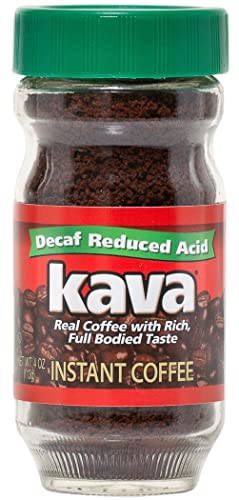
Kava Low Acid Decaf Instant Coffee 4 oz Glass Jar

Fabula Low Acid Coffee USDA Organic Ground Coffee Medium Roast 12 oz

Lucy Jo’s Coffee Roastery Organic Decaf Mellow Belly Low Acid Blend 11 oz

Lucy Jo’s Coffee Organic Mellow Belly Low Acid Blend 11 oz

Lifeboost Organic Espresso Whole Bean Coffee 12 oz Bag

Lifeboost Organic Espresso Ground Coffee 12 oz Bag

Bulletproof Maximizer Medium-Dark Roast Ground Coffee 10 oz

Fabula USDA Organic Coffee Pods for Keurig Medium Roast 24 Ct
More Details On Our Top Picks
Instant coffee makes the Kava jar the easiest entry point in this group, especially for commutes, office desks, or a quick mug before the day gets noisy. The decaf format keeps the ritual intact, and the reduced-acid positioning is the main draw for anyone who wants a gentler cup without grinding beans or washing a brewer.
The trade-off is simple: convenience comes first, so you give up the texture and aroma lift that fresh ground coffee can bring. For most kitchens, that’s still a fair trade, and the glass jar also stores neatly beside sugar, tea, or supplements.
What We Like
- Instant format saves time on busy mornings.
- Decaf profile suits late-day sipping.
- Reduced-acid positioning may feel easier on sensitive routines.
- Glass jar stores cleanly on a shelf.
- Works hot or iced, which adds range.
Small Caveats
- Instant coffee will not match a fresh grind for depth.
- The jar format takes up more pantry space than a slim pouch.
- Decaf drinkers still need to check serving strength to suit taste.
Feature Snapshot
Who It Suits Best
Busy professionals and casual decaf drinkers who want the least fuss possible will get the most from Kava.
Swap It Out When
Fabula Low Acid Coffee USDA Organic Ground Coffee Medium Roast suits you better when fresh brewing matters more than speed.
Fabula feels aimed at you when ingredient sourcing matters just as much as the cup itself. The single-origin Peru coffee, medium roast profile, and ground format make it a practical fit for drip machines, pour-over cones, or a simple filter basket.
Compared with Kava’s instant convenience, this one asks for a brew step, but it gives you more control over strength and freshness. The chocolate-nut note also suggests a softer flavor lane, which tends to work well for morning mugs that need depth without harsh edges.
Highlights
- USDA organic status gives you a clearer sourcing story.
- Ground format works with common home brewers.
- Single-origin sourcing often appeals to flavor-focused coffee drinkers.
- Medium roast keeps the cup familiar and versatile.
- The 12 oz bag fits a weeknight routine without much storage fuss.
Points To Note
- Ground coffee needs a brewer, so it is less convenient than instant.
- The stronger sourcing language may matter more to label-conscious shoppers than to casual drinkers.
- Flavor preference is personal, so the chocolate-nut note may suit some cups better than others.
At A Glance
Made For
Home brewers who want organic ground coffee with a simpler ingredient story will feel right at home with Fabula.
Another Choice May Suit
Kava Low Acid Decaf Instant Coffee 4 oz Glass Jar makes more sense for rushed mornings and no-brewer setups.
This decaf whole-bean bag leans into softness, which makes it a nice fit for evening cups or anyone who wants a calmer flavor profile. The water-process decaffeination is the detail that matters most, because it avoids the chemical aftertaste some people notice in other decaf coffees.
Compared with the Kava instant jar, Lucy Jo’s asks for a grinder and a little more prep, but the payoff is more control over freshness. The hand-roasted, small-batch approach also gives it a more homey profile, which is part of the appeal for slower mornings.
Best Bits
- Water-processed decaf keeps the cup cleaner in taste.
- Whole beans let you grind for your method.
- Organic positioning will matter to label-checking shoppers.
- Small-batch roasting suggests a more hands-on style of production.
Areas To Watch
- Whole beans require a grinder, which adds a step.
- The 11 oz bag is modest, so frequent drinkers may reorder sooner.
- Decaf flavor preference varies, especially in medium-dark roasts.
Technical Sheet
Best Suited To
Decaf drinkers who still want whole-bean flexibility and a softer cup profile are the clearest match here.
Where A Sibling Pick Shines
Lucy Jo’s Coffee Organic Mellow Belly Low Acid Blend 11 oz fits better for drinkers who want caffeinated whole beans instead of decaf.
Lucy Jo’s non-decaf Mellow Belly is the more flexible sibling to the decaf bag above, and that matters for households that want one grinder-friendly coffee for any time of day. Since the source notes different roast labels around the line, the appeal here is really the broader Mellow Belly identity, which leans toward a gentler cup than many darker beans.
That softer profile helps in a busy kitchen where you want a full mug without a harsh edge. The honest read is that this is less about flashy flavor notes and more about a dependable everyday brew.
Upsides
- Whole-bean form gives you fresh-grind control.
- The Mellow Belly line has a softer flavor profile than many bold roasts.
- 11 oz packaging stores easily in smaller pantries.
- Good fit for people who rotate brew methods at home.
Honest Caveats
- The listing leaves some flavor and roast details less explicit than the decaf sibling.
- You need a grinder, which adds upkeep and cleanup.
- Shoppers who prefer very dark or very bright coffee may want a more specific roast profile.
Core Details
Whose Shelf It Belongs On
Home grinders and households that want a gentler whole-bean coffee should find this one easy to live with.
Look Elsewhere When
Fabula Low Acid Coffee USDA Organic Ground Coffee Medium Roast 12 oz suits you better if you want a clearly stated organic ground coffee with a more defined sourcing pitch.
Espresso drinkers usually care about body, crema, and how well the beans hold up under pressure, and this Lifeboost bag is built around that use case. The Nicaragua origin and shade-grown sourcing details give it a more focused identity than the broader house coffees above, so it makes sense for a home espresso setup that sees regular use.
The whole-bean format gives you the fresher route, but it also means a grinder is part of the picture. For a counter with an espresso machine already in place, that is usually a fair trade, especially when you want a deeper, bolder shot profile.
Reasons To Buy
- Whole beans let espresso fans tune grind size precisely.
- Single-origin Nicaragua sourcing gives the coffee a defined character.
- Shade-grown background may appeal to shoppers who care about growing conditions.
- Built for espresso, so the profile is more specialized than the general drip coffees in this list.
Room For Improvement
- Whole beans add grinder maintenance to your routine.
- It is more specialized than the all-purpose ground options.
- Espresso-focused beans may feel too intense for simple drip brewing.
Feature Card
Right Fit For
Home espresso users who want a focused bean with a deeper roast character will get the clearest match here.
Reach For A Different Pick When
Lifeboost Organic Espresso Ground Coffee 12 oz Bag suits you better if you want the same espresso direction without grinding at home.
The ground version trims a step off the espresso routine, and that is a real advantage for mornings that start early. You still get the Nicaragua single-origin story and the shade-grown sourcing note, but the coffee arrives ready for the portafilter, moka pot, or another fine-grind brew path.
Compared with the whole-bean Lifeboost espresso above, this one gives up some control in exchange for speed. That makes it a sensible fit for a home setup where convenience matters but you still want a more serious espresso-style cup than a standard drip blend.
What We Like
- Pre-ground format cuts out grinder prep.
- Single-origin sourcing keeps the profile focused.
- Shade-grown high-elevation sourcing carries over from the bean version.
- Good match for espresso drinkers who value speed on weekdays.
Points To Note
- Pre-ground coffee gives up grind control.
- It is still espresso-focused, so it may not suit every brew method.
- Once opened, ground coffee usually asks for tighter storage habits than whole bean.
Details At A Glance
The Right Fit
Espresso fans who want less prep and a ready-to-brew grind will be most comfortable with this version.
Skip It When
Lifeboost Organic Espresso Whole Bean Coffee 12 oz Bag is the better call for anyone who wants full control over grind size.
Bulletproof takes a different path from the other coffees here, because the appeal is not just roast and format, but also the added prebiotics. That makes it feel tailored to a routine drinker who wants a daily mug with more going on than flavor alone, especially for mornings centered on work, focus, and a steady brew.
The 10 oz bag is smaller than several of the others, so pantry footprint stays modest. The flip side is that you may move through it faster than the 12 oz options, which is worth keeping in mind for households with more than one coffee drinker.
Plus Points
- Medium-dark roast suits drinkers who like a rounder, fuller cup.
- Ground format keeps brewing simple.
- Added prebiotics give it a more specialized identity.
- 10 oz size fits smaller storage spaces well.
- Arabica coffee usually signals a smoother baseline cup.
Worth Noting
- The smaller bag size may feel brief for heavy daily use.
- Added ingredients narrow the appeal to shoppers who want that feature.
- Ground coffee still needs airtight storage after opening.
Quick Facts
Who Should Grab It
Routine coffee drinkers who want a more feature-heavy ground bag will likely get the most out of this one.
A Better Fit Elsewhere
Fabula Low Acid Coffee USDA Organic Ground Coffee Medium Roast 12 oz is a cleaner fit for shoppers who want a simpler ingredient story and a larger bag.
Single-serve pods make the Fabula Keurig option the easiest path for households that want a quick mug without a grinder or filter basket. The compostable, paper-based build is the big practical angle here, and the 12 g fill is a notable detail for anyone who dislikes thin pod coffee.
Compared with the ground Fabula bag earlier in the list, this version leans harder into convenience and machine fit. That also means your best match is a Keurig setup, not a general-purpose brewer, so the usefulness is narrower even though the routine is simpler.
Strong Points
- Pod format keeps mornings fast and tidy.
- Compostable paper-based build is more thoughtful than many plastic capsules.
- 12 g fill is generous for a pod-style cup.
- Works with Keurig and Keurig 2 machines.
- Single-origin, organic positioning keeps the line consistent with the ground Fabula option.
Minor Gripes
- Pods only make sense for compatible machines.
- Single-serve format creates more packaging per cup than a bag of grounds.
- Those who want maximum brew control will still prefer whole bean or ground coffee.
Core Details
Made With In Mind
Keurig households that want an organic pod with a fuller fill will find this the easiest fit.
Where A Sibling Pick Shines
Fabula Low Acid Coffee USDA Organic Ground Coffee Medium Roast 12 oz makes more sense for anyone who prefers a standard brewer and more control over the cup.
How To Choose The Right Coffees For Ibs
Start With Brew Style, Not Just Roast
Instant coffee, ground coffee, whole bean, and pods each change how much effort your morning asks of you. Kava fits the fastest routine, while Fabula grounds and the Lucy Jo’s whole-bean bags ask for a brewer and a little patience.
That matters because convenience and cup control usually travel in opposite directions. A pre-ground or instant option is easy to live with on weekdays, but whole bean gives you more control over freshness and grind size.
Watch The Acidity Story Closely
Low-acid positioning is the headline feature in this category, but the wording means different things from one listing to another. Kava emphasizes reduced acid per cup, Fabula leans on low-acid organic sourcing, and the Lifeboost espresso line centers on a deeper roast profile that some drinkers prefer for a fuller mug.
You’ll also want to notice whether the coffee is decaf, espresso-focused, or a general medium roast. Those details shape the cup as much as acidity does, and they help you avoid a mismatch that sounds good on paper but feels wrong in daily use.
Match The Format To Your Kitchen
A grinder-free kitchen benefits from instant coffee, ground coffee, or pods. A home setup with a burr grinder gives you more room to explore whole bean bags like Lucy Jo’s or Lifeboost espresso beans.
The storage side matters too. Glass jars, 10 oz bags, 11 oz bags, 12 oz bags, and pod boxes all take different amounts of shelf space, so the neatest choice is the one that fits your cabinet and your habit.
Balance Flavor With Routine
A milder cup can suit early mornings, while a medium-dark or espresso roast often works better for drinkers who want a stronger presence in the mug. Bulletproof goes a step further with prebiotics, which makes sense only when that added feature is part of your daily routine.
The right coffee for you is usually the one you can drink consistently, not the one with the loudest label. That’s why the most practical choice here is the one that fits your schedule, brew method, and flavor comfort all at once.
A Quick Reality Check
Mistakes Worth Dodging
One common slip is focusing on acidity alone and ignoring the brew format. Instant, ground, whole bean, and pod coffees all behave differently, so the wrong format can make even a well-matched roast feel awkward.
Another easy miss is overlooking machine fit. Fabula’s pod option only makes sense for Keurig households, while the whole-bean choices ask for grinder ownership and cleanup.
The Upgrade Payoff
Higher-tier coffees in this group usually cost more because of sourcing detail, smaller-batch production, or more specialized packaging. Lifeboost’s espresso beans and Fabula’s organic single-origin coffees show that pattern clearly.
That extra spend makes the most sense when your coffee routine is already specific, such as a dedicated espresso setup, a label-conscious pantry, or a household that wants a more defined flavor path.
Frequently Asked Questions
What makes coffee a better fit for IBS-sensitive routines?
Lower acid, gentler roast profiles, and less aggressive brewing habits are the usual starting points. The best match is the coffee that fits your body’s pattern and your kitchen setup.
Is decaf always the safer choice for sensitive coffee drinkers?
Decaf helps some people because it removes the caffeine factor, which can matter in late-day cups. It still comes down to roast, brew strength, and your own routine.
Do whole beans make a big difference?
Whole beans give you the freshest grind and more control over flavor. They also ask for a grinder, which adds one more step.
Are pods a good option for low-acid coffee?
Pods are convenient and tidy, especially for single-cup households. They work best when your machine is already compatible and you want speed over flexibility.
Which option suits a small kitchen best?
Instant coffee and compact pod boxes are the easiest on storage. Small ground bags also work well, but whole-bean coffee usually needs a little more room because of the grinder.
Closing Thoughts
The best coffee for your routine is the one that fits your brew method, your storage space, and the kind of cup you actually want to drink every day. Kava handles speed, Fabula keeps things clean and organic, Lucy Jo’s gives you a gentler whole-bean path, and Lifeboost speaks more directly to espresso setups. If you keep those differences in view, the right choice gets a lot easier, and your morning coffee feels less like a compromise.
