

Choosing a coffee station for home gets easier once you separate convenience from control. Some setups suit small counters and quick cappuccinos, while others fit daily espresso routines with fresher grinding, milk steaming, or one-touch drinks. You’ll see where each machine lands, from compact starter picks to fuller-featured options for busier kitchens.
The Shortlist For Busy Kitchens

De’Longhi La Specialista Arte Evo Espresso Machine

KEENSTAR 3.5Bar Espresso Machine 800W Compact 4-Cup

XIXUBX Espresso Machine Compact Espresso Maker with Milk Frother
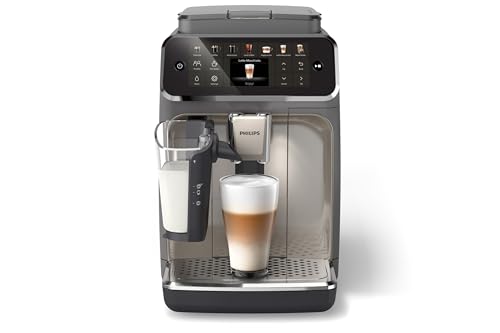
Philips 4400 Series Fully Automatic Espresso Machine EP4444/90

AIRMSEN 20 Bar Espresso Machine with Automatic Milk Frother

AMZCHEF 20 Bar Home Espresso Coffee Machine
More Details On Our Top Picks
Fresh grinding and a built-in steam wand make this De’Longhi feel like a serious home bar setup without taking over the counter. The integrated grinder matters most for anyone who wants espresso shots with more control over dose and freshness, while the included barista toolkit helps the workflow feel less improvised.
You may find it especially satisfying in a busy kitchen where one machine needs to handle straight espresso and milk drinks with fewer extra tools nearby. The trade-off is clear enough, though, because this style of machine asks for more hands-on attention than a fully automatic model like the Philips 4400 Series.
Strong Points
- Built-in grinder keeps the setup compact.
- Four preset recipes simplify daily drinks.
- Steam frothing gives you more milk texture control.
- Barista toolkit helps with routine prep and tamping.
- Good fit for households that enjoy manual rhythm.
Things To Consider
- It asks for more involvement than one-touch systems.
- The learning curve may feel steep for true first-timers.
- Grinder and frothing parts add a bit of cleanup.
Feature Snapshot
Who It Suits Best
Home espresso fans who want more control than a one-touch machine will get the most from it.
A Better Fit Elsewhere
The Philips 4400 Series suits you better when you want more automation and less manual stepping between drinks.
Small kitchens, dorm rooms, and occasional espresso routines are where this KEENSTAR makes the most sense. Its 3.5-bar pressure and 800-watt heating setup point to a simpler, lighter-duty machine, so the appeal is convenience more than café-style depth.
The compact body helps when counter space is tight, and the steam wand gives you a route to cappuccino or latte foam without a separate frother. Compared with the De’Longhi, you give up grinder integration and higher-end control, but you also get a far easier first step into home espresso.
What We Like
- Compact body fits cramped counters.
- Fast heating suits quick morning use.
- Steam wand covers foam for milk drinks.
- Four-cup capacity works for small households.
Room For Improvement
- Lower-pressure design limits depth and texture.
- The smaller format suits lighter daily use.
- Steam wand care adds one more cleaning step.
Core Details
Who Will Love This
You’ll appreciate this pick most as a compact starter machine for light, everyday use.
Look Elsewhere When
The AIRMSEN 20 Bar Espresso Machine suits households that want a stronger brew system and larger water capacity.
This XIXUBX model lands in a sweet spot for apartments and small kitchens, where footprint matters but you still want stronger espresso hardware. The 20-bar pump, meaning the machine can push water through coffee grounds at a higher pressure level, and PID control, a temperature management system, give it a more controlled profile than the KEENSTAR.
That mix makes it a practical middle ground for latte and cappuccino routines without moving all the way up to the fuller automation of the Philips 4400 Series. The low-vibration design also helps the machine feel calmer on a light counter, which matters more than people expect in tight spaces.
Upsides
- 20-bar pump gives it a stronger brew platform.
- PID control supports steadier temperature management.
- Low-vibration design feels better in compact rooms.
- Milk frother handles everyday latte foam.
Small Caveats
- More controls mean a little more learning.
- Compact size still leaves less room for large cups.
- Frothing parts need routine rinsing after milk use.
Details At A Glance
The Right Fit
You’re in the right lane here if you want compact dimensions with more serious brew control.
Swap It Out When
The AMZCHEF 20 Bar Home Espresso Coffee Machine is a simpler choice for someone who wants touchscreen ease without as much manual attention.
For anyone who wants espresso drinks without managing every step, the Philips 4400 Series is the most automated feel in this group. The LatteGo milk system, integrated grinder, and 12 hot and iced presets make it a strong fit for households where different people want different drinks with less fuss.
SilentBrew points to a quieter operating profile, and Quick Start should make the first cup feel less like a project on rushed mornings. Compared with the De’Longhi and XIXUBX, you give up some hands-on control, but you gain the kind of convenience that suits busy kitchens very well.
Highlights
- Fully automatic workflow reduces extra steps.
- LatteGo system simplifies milk drink prep.
- Integrated grinder keeps the bean-to-cup path tidy.
- 12 presets give you broad drink variety.
- Quiet-leaning design suits shared spaces.
Points To Note
- Automation can feel less hands-on than some want.
- More internal parts usually mean more upkeep.
- Large feature sets take a little menu learning.
Technical Sheet
Built With In Mind
You’ll like this most if your home needs a more automatic coffee station for varied drink routines.
Where A Sibling Pick Shines
The De’Longhi La Specialista Arte Evo suits you better when you want more manual control and a more hands-on espresso feel.
This AIRMSEN leans into convenience and capacity, especially for homes that make a few milk drinks in a row. The dual-boiler setup, meaning separate heating paths for different brewing jobs, helps explain why it feels more capable than the smaller KEENSTAR in a shared kitchen.
The stainless steel build, 60-ounce water tank, and touchscreen also give it a more substantial feel on the counter. One thing worth considering is that more features usually mean a little more cleaning and a bit more menu attention, but that trade-off can make sense for families and frequent latte drinkers.
Bright Spots
- Dual-boiler design supports more flexible drink prep.
- Automatic milk frother helps with repeat cappuccinos.
- Large water tank reduces refill frequency.
- Touchscreen controls make daily use feel straightforward.
- Stainless steel finish suits a durable kitchen look.
Areas To Watch
- More parts usually mean more cleanup afterward.
- The feature set may feel busy to minimalists.
- Counter space matters because the machine is substantial.
Quick Facts
Whose Shelf It Belongs On
This fits best in households that want a larger, more capable milk-drink station.
Reach For A Different Pick When
The KEENSTAR 3.5Bar Espresso Machine suits you better if you want a smaller, simpler machine for lighter use.
The AMZCHEF sits squarely in starter-machine territory, but it still brings a 20-bar setup, LED touchscreen, and built-in milk frother. That combination makes it useful for someone who wants latte and cappuccino routines without a steep learning curve or a crowded control panel.
The self-cleaning function is the feature that stands out most for everyday ownership, because routine care often decides whether a machine gets used often or left idle. Compared with the AIRMSEN, you give up the dual-boiler arrangement and larger tank, but you gain a simpler path that feels easier for a first espresso setup.
Reasons To Buy
- LED touchscreen makes day-to-day operation approachable.
- Built-in frother handles common milk drinks.
- Self-cleaning function helps reduce routine upkeep.
- 20-bar pressure gives it a more capable base.
- Good fit for a first home espresso station.
Softer Spots
- Entry-level users may still need a little learning time.
- The simpler build leaves less room for advanced brewing control.
- Touchscreen convenience may not suit people who prefer knobs.
Feature Rundown
Perfect Match For
You’ll get the most from this machine as a straightforward starter pick for everyday espresso drinks.
A Better Fit Elsewhere
The Philips 4400 Series suits you better if you want a more automatic machine with broader preset variety.
How To Choose The Right Coffee Espresso Latte Makers
Match The Machine To Your Routine
Start with how you actually make coffee in the morning. A one-cup espresso routine in a studio apartment points you toward compact machines like the KEENSTAR or XIXUBX, while a busy household with mixed drink orders leans toward the Philips 4400 Series or AIRMSEN.
Milk drinks change the picture quickly. A steam wand gives you more control over texture, while an automatic frother trims effort and keeps the process cleaner for repeated use.
Pay Attention To Pressure, Heat, And Controls
Pressure matters because it shapes extraction, especially for espresso and milk-based drinks. A 20-bar machine such as the XIXUBX, AIRMSEN, or AMZCHEF sits in a more capable zone than a 3.5-bar compact starter, although the rest of the design still matters just as much.
Heat management also affects consistency. PID control on the XIXUBX or a dual-boiler layout on the AIRMSEN gives you a different ownership feel than a simpler single-heating setup, and the right choice depends on how much timing and repeatability you want.
Think About Counter Space And Cleanup
Compact dimensions matter in small kitchens, but so does the real amount of space needed for cups, steaming, and water access. The De’Longhi and Philips take up more room in exchange for more capability, while the KEENSTAR stays lighter and easier to tuck in.
Cleanup deserves a serious look too. Grinder parts, milk systems, and broader menus add daily upkeep, so the machine that looks easiest on paper should also fit the amount of care you’re willing to give it.
Choose For Skill Level, Not Just Features
Hands-on espresso routines suit people who enjoy dialing in shots and steaming milk. Fully automatic machines fit more naturally for households that want dependable drinks with fewer steps and less fiddling before work.
Starter machines can still be a smart fit, especially for someone learning the category without committing to a bulky setup. The honest read is that the best machine is the one you’ll use often, not the one with the longest feature list.
Things Worth Knowing First
Mistakes Worth Dodging
Don’t treat every machine with a milk wand as equally easy to live with. Frothing parts need regular rinsing, and compact bodies can still be awkward if your mugs, shelves, or bean storage take up the same counter zone.
Another common slip is overbuying features you won’t use. A fully automatic machine makes sense for a busy household, but a simple starter setup may suit you better if your drink routine rarely moves beyond a morning cappuccino.
The Upgrade Payoff
Higher-tier machines usually cost more because they bring better control, broader drink options, and smoother daily workflow. Grinder integration, smarter milk systems, larger tanks, and quieter operation all add parts and engineering.
The upgrade makes sense when espresso becomes a habit instead of an occasional treat. You’ll feel the difference most in shared kitchens, frequent milk-drink routines, and homes where speed matters without sacrificing consistency.
Frequently Asked Questions
What matters most for a first espresso machine?
Counter size, milk workflow, and how much control you want matter most. A compact starter machine suits simple routines, while a fully automatic model makes more sense for mixed drink orders.
Is a higher bar rating always better?
Higher pressure helps a machine handle espresso-style brewing, but it’s only part of the picture. Temperature control, grinder quality, and milk handling shape the cup just as much.
Do automatic milk systems make cleanup easier?
They usually simplify the drink process, especially for repeat cappuccinos and lattes. They still need regular care, so the ease comes from the workflow, not from skipping maintenance.
What suits a small kitchen best?
Compact machines with smaller footprints fit tight counters better than full-size automatic units. The KEENSTAR and XIXUBX both make sense when space matters more than drink variety.
Which pick works for the least hands-on routine?
The Philips 4400 Series is the easiest fit for a low-effort daily setup. Its presets, integrated grinder, and LatteGo system keep the process more automatic than the others here.
Closing Thoughts
Your best choice comes down to how much effort you want between beans and cup. The De’Longhi suits hands-on espresso fans, the KEENSTAR keeps things compact, and the Philips 4400 Series leans hardest into convenience. For a smaller footprint with stronger control, the XIXUBX stands out, while the AIRMSEN and AMZCHEF make sense for people who want more milk-drink capability without overcomplicating the routine. Pick the machine that fits your counter, your habits, and the kind of morning you actually live with.
