

Setting up espresso at home gets easier once you match the machine to your routine. Some kitchens need a compact semi-automatic unit for quick cappuccinos, while others are better served by a fully automatic model that handles grinding, brewing, and milk work with less fuss.
That split matters in real life. The right choice saves counter space, trims cleanup, and keeps the morning line moving without turning your kitchen into a crowded appliance shelf.
The Shortlist At A Glance

XIXUBX Compact Espresso & Cappuccino Machine

De’Longhi Classic Signature Espresso Machine

Electactic Espresso Machine with Grinder

Chefman CraftBrew Espresso Machine

KEENSTAR 3.5Bar Espresso Machine 800W
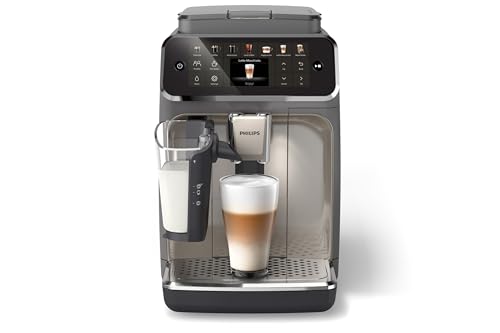
Philips 4400 Series Fully Automatic Espresso Machine
More Details On Our Top Picks
That 4-cup setup makes sense in a home office, dorm-style kitchen, or anywhere counter space feels tight. The 3.5-bar pump is a lighter-pressure design than the stronger machines below, so the trade-off is simpler espresso-making rather than cafe-level output.
The steam wand and Tritan cup push it toward cappuccinos and lattes without adding much bulk. You may find the safety lock reassuring in a busy household, and the black finish keeps the look plain and easy to place beside a toaster or kettle.
Strong Points
- Compact footprint fits crowded counters.
- One-touch 4-cup brewing suits quick morning rounds.
- Steam wand handles milk drinks without extra gear.
- Fast heating helps shorten the wait before that first cup.
Things To Consider
- 3.5-bar pressure keeps it in the entry-level lane.
- Smaller capacity means more frequent refills for households.
- The simpler design asks for regular wand cleaning after milk use.
Feature Snapshot
Who It Suits Best
Space-conscious espresso beginners and office setups get the most from this one.
Where A Sibling Pick Shines
KEENSTAR 3.5Bar Espresso Machine 800W suits you better for a very similar compact footprint with a slightly more straightforward value angle.
Compared with the compact XIXUBX, this De’Longhi leans more toward control and repeatability. The adjustable milk frother, pressure gauge, and preset single or double shots give you a more guided path to espresso at home.
That makes it a natural fit for someone who likes dialing in drinks without jumping to a full automatic machine. The compact design helps in smaller kitchens too, though the experience still asks you to manage the frothing and shot process yourself.
What We Like
- Preset single and double shots simplify daily brewing.
- Pressure gauge gives a clearer read on extraction.
- Adjustable frother lets you shape milk texture for lattes or cappuccinos.
- Compact build works in apartments and smaller countertops.
Worth Noting
- Manual milk work takes a little more attention than a fully automatic setup.
- The learning curve is still real for first-time espresso users.
- Regular frother cleaning matters, especially after dense milk drinks.
Core Details
Built With In Mind
Home espresso fans who want more control without a bulky setup will appreciate this one.
Look Elsewhere When
Philips 4400 Series Fully Automatic Espresso Machine fits better for households that want drinks with less manual handling.
The grinder changes the routine here, because beans can move from hopper to cup without a separate appliance in the middle. For most kitchens, that means less counter clutter and a fresher grind path, although a built-in grinder usually asks for more upkeep than the simpler machines above.
The anti-clog grinder detail is the kind of feature that matters after repeated use, especially in homes that brew several drinks a day. Add the steam wand and frother, and you get a setup that suits someone ready to spend a little more time on the process in exchange for more control.
Highlights
- Built-in grinder removes the need for a separate unit.
- Anti-clog design supports smoother day-to-day bean grinding.
- Steam wand and frother cover latte and cappuccino routines.
- Gloss black finish looks neat beside stainless appliances.
- All-in-one layout saves counter space in smaller kitchens.
Areas To Watch
- Integrated grinders usually need more cleaning than plain espresso machines.
- The all-in-one design adds more parts to keep track of.
- It suits hands-on users more than set-and-forget routines.
Details At A Glance
The Right Fit
Home espresso fans who want fresh-ground coffee without adding another appliance will get the most value here.
Swap It Out When
Chefman CraftBrew Espresso Machine fits better for someone who wants a simpler machine with a separate grinder outside the coffee station.
Among these picks, the Chefman feels like the middle ground between the compact entry models and the more automated Philips. The 15-bar pump gives it a stronger pressure profile than the 3.5-bar machines, which is useful for people who want a more traditional espresso-style setup at home.
The digital controls and 1.5L removable reservoir make it easier to live with across a normal week of use. Stainless steel should also age better than lightweight plastics in a busy kitchen, though the wand and reservoir still need routine care after milk-based drinks.
Best Bits
- 15-bar pump gives it a stronger espresso foundation.
- Digital control layout is easy to read at a glance.
- 1.5L removable reservoir supports fewer refill trips.
- Stainless steel body brings a sturdier kitchen presence.
Small Caveats
- It still asks you to manage milk frothing yourself.
- The removable reservoir helps cleaning, but it adds one more part to wash.
- Counter space matters, since the steel body is more substantial than the smallest picks here.
Spec Overview
Whose Shelf It Belongs On
It suits espresso drinkers who want a more grounded, hands-on machine with a larger reservoir.
Another Choice May Suit
De’Longhi Classic Signature Espresso Machine makes more sense for a smaller setup where shot presets and a pressure gauge matter more than tank size.
This KEENSTAR lands close to the XIXUBX in size and power, so the real difference comes down to how you want the machine to feel on the counter. The 4-cup format and preheat function suit quick home routines, especially for someone who wants a plain espresso-and-milk setup without much learning.
It keeps the footprint modest, and that matters in apartments, starter kitchens, or shared spaces where every inch counts. The honest read is that this is a straightforward pick, not a fancy one, and that simplicity is part of the appeal.
Reasons To Buy
- Compact body works well in tight kitchens.
- 800W output supports faster warm-up than many basic appliances.
- Milk frother wand covers cappuccino and latte use.
- 4-cup capacity fits small daily routines without excess size.
Room For Improvement
- 3.5-bar pressure keeps it in the simpler espresso range.
- Milk frother and wand still need routine wipe-downs after use.
- Less suited to households that want larger batches.
Core Details
Who Should Grab It
Space-conscious espresso beginners and light daily drinkers will get the most from this machine.
Reach For A Different Pick When
Chefman CraftBrew Espresso Machine is the stronger move for a larger reservoir and a more pressure-forward feel.
The Philips sits in a different lane from the rest, because it takes on grinding, brewing, and milk handling with far less manual work. That makes it a better fit for busy households or a kitchen where several people want different drinks and nobody wants to stand at the machine for every cup.
The LatteGo milk system, integrated grinder, and 12 hot and iced presets give it a wide drink range, while SilentBrew points to a calmer morning routine. The trade-off is simple: you get convenience and variety, but you also pay for a more complex machine that takes up more mental and physical space than the compact picks above.
Upsides
- Integrated grinder and automatic workflow reduce hands-on steps.
- LatteGo milk system keeps milk drinks more streamlined.
- 12 presets cover both hot and iced coffee styles.
- SilentBrew suits homes where noise matters in the morning.
- 15-bar pressure supports a solid espresso base.
Minor Gripes
- The more advanced layout means more to learn at first.
- Automatic systems usually take more care to keep clean.
- Its full-size feature set is less friendly to tiny counters.
Technical Sheet
Made For
Busy homes that want a wide drink menu with minimal manual steps will appreciate this machine most.
Where A Sibling Pick Shines
Electactic Espresso Machine with Grinder suits you better if you want a more hands-on grinder setup without moving into a fully automatic format.
How To Choose The Right Coffee Espresso Combo Machines
Match The Machine To Your Routine
The first decision is whether you want to spend time or save time. Semi-automatic machines such as the XIXUBX, KEENSTAR, and Chefman ask you to handle more of the process, while the Philips automates far more of it.
That difference matters most on rushed weekdays. A compact machine can be enough for one or two drinks, but a household that makes several coffee drinks before noon usually feels the value of presets, a larger reservoir, or an integrated grinder.
Pressure, Milk, And Grind Control
Pump pressure helps shape the espresso part of the experience, with 3.5-bar models sitting in a simpler lane than the Chefman’s 15-bar setup. Pressure gauge support, like the De’Longhi’s, gives you more visibility, which is handy once you start paying attention to consistency.
Milk handling is the next fork in the road. A steam wand keeps the machine lean and hands-on, while a system such as Philips’ LatteGo reduces the manual work and can feel much easier in a shared kitchen.
Counter Space And Cleanup Reality
Size is more than a footprint measurement, because it changes how often you refill, wipe, and store accessories. Compact machines fit apartment counters better, but they also tend to rely on smaller tanks and a little more user involvement.
Built-in grinders and automatic milk systems bring convenience, yet they usually add cleanup tasks. That’s the trade, and it’s a fair one only when you actually want the extra control or the wider drink menu.
What To Weigh Before You Click
Mistakes Worth Dodging
Shoppers often focus on pressure alone and ignore the rest of the routine. A high-bar machine still feels awkward in daily use if the water tank is too small or the milk system is more work than you wanted.
Another common slip is overbuying for the counter. A large automatic machine can look appealing, but a compact apartment kitchen often benefits more from a smaller body and fewer parts to manage.
The Upgrade Payoff
Higher-tier machines cost more because they do more: grind beans, automate presets, manage milk, or offer quieter operation. Those features take extra hardware and usually make the machine more useful for busy homes.
The upgrade makes sense when you brew often, share the machine, or want less guesswork. If your routine is simple and you mostly drink one style, a compact semi-automatic option can be the smarter fit.
Frequently Asked Questions
Are coffee espresso combo machines good for small kitchens?
Yes, compact semi-automatic models fit small counters well and keep the setup simple. Larger automatic machines work better only when you have room for the extra footprint.
What pressure level should you look for?
Higher pressure is usually part of a stronger espresso-style setup, and 15-bar machines sit above the simpler 3.5-bar units here. The right choice depends on how much control you want and how serious your espresso routine is.
Do built-in grinders make daily use easier?
They do, because you skip a separate grinder and keep the workflow in one machine. The trade-off is extra cleaning and more parts to maintain.
Is a steam wand enough for milk drinks?
A steam wand handles lattes and cappuccinos well enough for many home setups. It does ask for more manual effort than a fully automatic milk system.
Who should choose a fully automatic model?
Busy households and coffee drinkers who want a wide drink menu usually get the most from that format. It’s also a good fit when you want less routine work at the machine.
Closing Thoughts
Your best choice depends on how much control you want and how much time you want to spend making each cup. The compact XIXUBX and KEENSTAR work well for smaller spaces, the De’Longhi and Chefman give you a more guided hands-on setup, and the Electactic adds fresh grinding to the mix. The Philips sits at the convenience-heavy end for households that want variety with less effort. Match the machine to your kitchen, your drinks, and your morning pace, and the fit becomes much clearer.
