

You want espresso beans that fit the way you actually brew, not just a pretty bag on a shelf. Some blends lean bold and crema-heavy, others stay smoother and more balanced, and whole bean versus ground makes a real difference in freshness and convenience. This roundup focuses on coffee for home machines, moka pots, French press, and everyday kitchen routines.
The Shortlist At A Glance

Bristot Espresso Cremoso Italiano Ground Coffee 8.8oz

Caffè Borbone Crema Superiore Whole Bean Coffee 2.2 lb
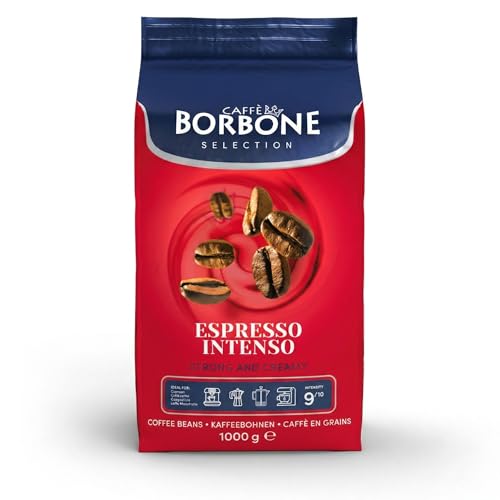
Caffè Borbone Espresso Intenso Whole Bean Coffee 2.2 lb

Lifeboost Organic Espresso Whole Bean Coffee 12 oz

Kimbo Crema Classico Whole Bean Coffee 2.2lb

Danesi Caffe Gold Italian Whole Bean Espresso Coffee 2.2 lb

Filicori Zecchini Delicato Italian Espresso Beans 2.2lb
More Details On Our Top Picks
Bristot’s ground format makes life easier for home espresso machines that already run on a familiar grind. The 70 percent Arabica and 30 percent Robusta blend points toward fuller body and a thicker crema, while the medium roast keeps it from going too far into dark, bitter territory.
You may find this especially handy in a busy morning routine, since there’s no grinder to clean or dial in. The trade-off is simple, ground coffee gives up some freshness flexibility, so it suits convenience-first kitchens more than tinkerers.
Strong Points
- Ground format saves you a prep step.
- Arabica-Robusta mix supports a fuller espresso feel.
- Medium roast keeps the profile steady and accessible.
- Works well for a straightforward home machine setup.
Things To Consider
- Pre-ground coffee leaves less room to adjust extraction.
- Small 8.8-ounce bag size may suit lighter use better.
- Storage matters more once the bag is opened.
Key Specs
Who It Suits Best
You suit this pick best when you want a reliable daily espresso base for a home machine and prefer less fuss before brewing.
A Better Fit Elsewhere
Caffè Borbone Crema Superiore Whole Bean Coffee fits you better when you want more control from whole beans and plan to adjust grind size often.
After Bristot’s pre-ground convenience, this one shifts you back to whole beans and a larger 2.2-pound bag. That gives you more room to adjust grind size for your machine, and the Arabica-Robusta blend suggests a mix that aims for both smoothness and espresso structure.
It works well in homes where espresso shows up every day, not just on weekends. The honest read is that a big bag makes sense only when you’ll finish it at a steady pace, since whole beans ask you to keep an eye on storage once the bag is open.
Upsides
- Whole beans give you more brewing control.
- Large bag size suits regular espresso drinkers.
- Blended composition points to a rounded cup.
- Solid fit for households using a grinder daily.
Worth Noting
- Whole beans need a grinder nearby.
- A larger bag can be awkward in tight pantry space.
- Freshness depends on how quickly you work through it.
Feature Snapshot
Right Fit For
You fit this pick best when your kitchen already has a grinder and your espresso habit runs through the week.
Look Elsewhere When
Lifeboost Organic Espresso Whole Bean Coffee makes more sense when you want a smaller bag and a single-origin profile with a calmer edge.
The 100 percent Robusta build puts this Caffè Borbone option in a much more forceful lane than the earlier Crema Superiore blend. That usually means stronger body and a more assertive cup, which suits you best when espresso shots need to stand up to milk or a short pull.
In a home setup that already handles darker, fuller coffee well, it can feel straightforward and sturdy. The trade-off is balance, since a Robusta-only profile is less about softness and more about intensity, so it’s not the gentlest place to start.
Highlights
- 100 percent Robusta brings a strong, direct espresso profile.
- Large 2.2-pound bag supports frequent brewing.
- Works well for milk drinks that need more backbone.
- Whole beans let you tailor the grind to your machine.
Softer Spots
- The cup style leans forceful rather than mellow.
- Needs a grinder and a little setup time.
- Best suited to people who already like bolder espresso.
Details At A Glance
The Right Fit
You suit this pick best when you like espresso with more strength, especially for cappuccinos or other milk drinks.
Where A Sibling Pick Shines
Caffè Borbone Crema Superiore Whole Bean Coffee is the softer choice for you when balance matters more than sheer force.
Lifeboost takes a different route from the Borbone blends, leaning on single origin coffee from Nicaragua rather than a blend built for brute force. The bag is smaller at 12 ounces, so it suits you more as a focused espresso choice than a bulk pantry staple.
The description points to a shade-grown, high-elevation origin, and that kind of sourcing usually matters to people who want a cleaner story behind the cup. The trade-off is obvious, there’s less quantity in the bag, so frequent espresso drinkers may move through it quickly.
What We Like
- Single-origin sourcing gives the cup a clear identity.
- Whole beans work well for fresh grinding.
- Small bag size suits careful rotation and storage.
- Good match for espresso drinkers who want a gentler profile.
- Organic and non-GMO labeling appears in the listing.
Room For Improvement
- Smaller bag means more frequent reordering.
- Less suited to households that brew espresso all day.
- Whole beans still call for a grinder.
Core Details
Built With In Mind
You fit this pick best when you want a smaller, more deliberate espresso bag and prefer a single-origin approach.
Another Choice May Suit
Danesi Caffe Gold Italian Whole Bean Espresso Coffee fits better for you when you want a larger bag that can flex between espresso and other brewing methods.
Kimbo moves into lighter roast territory, which makes it feel quite different from the deeper Borbone blends ahead of it. That lighter roast can work well for espresso drinkers who want a brighter cup and less heaviness in the finish.
For a kitchen that already leans toward manual brewing and careful dialing, the whole bean format gives you room to shape the shot. The catch is that light roast espresso can feel less forgiving, so it suits you best when you already know your grinder and machine well.
Bright Spots
- Light roast profile suits a brighter espresso style.
- Whole beans let you tune grind size at home.
- Larger bag size supports repeat use.
- Good option for people who avoid heavy, dark cups.
Areas To Watch
- Light roast espresso can be less forgiving to dial in.
- Not the softest fit for those who want a rich, heavy cup.
- Needs a grinder for best results.
Feature Rundown
Whose Shelf It Belongs On
You suit this pick best when you enjoy lighter espresso and want more control over extraction at home.
Skip It When
Caffè Borbone Espresso Intenso Whole Bean Coffee is a better fit when you want a denser, more forceful cup.
Danesi sits in a practical middle ground, because the listing ties it to espresso machines, French press, and home brewing all at once. That wider use range helps you keep one bag in rotation for more than a single setup, which is handy in mixed kitchens.
Compared with Kimbo’s lighter roast, this medium roast should feel a little more settled and less sharp on the palate. The larger bag also makes sense for regular coffee drinkers, though you’ll still want a grinder on hand since it comes as whole bean coffee.
Best Bits
- Works across several brew methods.
- Medium roast gives it a versatile middle lane.
- Large bag helps with steady use at home.
- Whole beans allow you to grind fresh.
Points To Note
- Needs a grinder for espresso or other brewing styles.
- Large bag size takes up pantry space.
- More versatile than specialized, which can matter for purists.
At A Glance
Made For
You suit this pick best when you want one espresso bag that can also pull its weight in other brewers around the house.
Reach For A Different Pick When
Filicori Zecchini Delicato fits you better when you want a more heritage-driven Italian blend with slow-roasted character for moka pots.
Filicori Zecchini leans into a more old-school Italian coffee story, with a family heritage dating back to 1919 and a blend that’s built for smoothness rather than brute force. The listing points to low acidity and slow roasting, so the result should appeal to you when you want a gentler cup with hazelnut and milk chocolate notes in the background.
It’s the kind of pick that makes sense for moka pot users and espresso drinkers who care about a more polished cup character. The trade-off is that the premium feel comes from style, origin, and roast approach, so it makes more sense for a specific taste than for a casual bulk pantry fill.
Reasons To Buy
- Slow-roasted blend aims for a smoother cup.
- Low acidity profile suits gentler espresso preferences.
- Taste notes of hazelnut and milk chocolate add character.
- Works with moka pots and espresso machines.
- Heritage story adds context for Italian coffee fans.
Small Caveats
- More style-driven than a bulk-value option.
- Whole beans still need grinding before brewing.
- Best fit is narrower than the more general-purpose Danesi bag.
Feature Card
Who Should Grab It
You suit this pick best when you want Italian coffee with a more polished flavor story and you brew espresso or moka pot coffee often.
Swap It Out When
Kimbo Crema Classico Whole Bean Coffee makes more sense for you when you want a lighter roast with a brighter edge.
How To Choose The Right Coffee Beans For Italian Espresso
Start With Roast, Blend, And Body
Italian espresso often lives in the medium roast zone, because that range keeps aroma, body, and balance working together without drifting into a burnt edge. Arabica usually brings softness and aroma, while Robusta adds structure, thicker crema, and a firmer finish, so the blend ratio matters more than the label alone. A 70/30 mix like Bristot feels different from a 100 percent Robusta bag like Caffè Borbone Espresso Intenso, and that difference shows up fast in the cup.
For milk drinks, a stronger blend can hold its shape better. For straight shots, you may prefer something smoother and less forceful, especially in a home kitchen where you want repeatable results without too much fuss.
Whole Bean Or Ground Depends On Your Routine
Whole bean coffee gives you more control because you grind right before brewing. That matters most with espresso, since grind size changes extraction, texture, and crema more than casual brew methods do.
Ground coffee, like Bristot, works for the person who wants to skip a step and keep mornings simple. The trade-off is freshness flexibility, so whole bean bags tend to fit people who already have a grinder and like adjusting their setup.
Match The Coffee To Your Machine
Espresso machines, moka pots, and French press setups all ask for different grind behavior and cup style. Danesi is the broadest fit in this group because the listing ties it to several brewing methods, while Filicori Zecchini leans into moka pot and espresso use with a slower-roasted profile.
That sort of match matters more than brand lore. A busy household with one grinder and one machine may want a forgiving medium roast, while a more careful setup can make room for brighter or more assertive beans.
Bag Size Should Follow Your Drink Count
Larger bags make sense when espresso shows up every day, especially in homes that pull multiple shots or mix espresso with milk drinks. Smaller bags suit you better when you rotate beans often, store coffee carefully, or want to keep a more focused stash.
Bag size is a practical choice, not a status symbol. Freshness, storage, and how fast you brew matter more than the number on the package.
Things Worth Knowing First
Wrong Turns To Avoid
Don’t treat all espresso coffee the same, because roast level and blend makeup change the cup far more than a marketing phrase does. A Robusta-heavy option can feel too blunt for some home setups, while a lighter roast may need tighter dialing than a casual morning routine allows.
Another common miss is choosing a bag size that outpaces your brewing habits. A big whole-bean bag can be practical, but only when you’ll move through it often enough to keep the coffee in good shape.
The Upgrade Payoff
Higher-tier coffee usually costs more because of origin detail, sourcing story, roast care, or tighter control over the final blend. That’s part of why Filicori Zecchini and Lifeboost feel more specialized than a straightforward pantry blend.
The upgrade makes sense when you care about a narrower flavor goal, such as a gentler cup, a single-origin profile, or a more classic Italian character. For casual espresso, a simpler medium-roast blend often covers the basics just fine.
Frequently Asked Questions
What grind works best for Italian espresso beans?
A fine espresso grind usually gives you the right resistance and extraction for espresso machines. Moka pots need a slightly coarser setup than true espresso, while French press wants a much coarser grind.
Are Arabica and Robusta blends better for crema?
Robusta usually helps build thicker crema and a firmer body. Arabica often adds aroma and smoother flavor, so many Italian-style blends combine both for balance.
Does whole bean coffee stay fresh longer than ground coffee?
Whole beans usually keep their flavor better after opening because they expose less surface area to air. Ground coffee is more convenient, but it benefits from quicker use and careful storage.
Which pick works best for milk drinks?
Caffè Borbone Espresso Intenso makes a strong case for cappuccinos and lattes because the Robusta-heavy profile brings extra backbone. Caffè Borbone Crema Superiore also works well when you want a less forceful cup under milk.
What should you choose for a smoother espresso shot?
Lifeboost and Filicori Zecchini both lean toward a softer, more polished cup character than the bolder Borbone options. Danesi sits in the middle if you want something flexible rather than sharply defined.
Closing Thoughts
You get the easiest win here by matching the bean to your routine, not chasing the loudest description. Bristot suits convenience, Borbone covers both balanced and forceful styles, and Filicori Zecchini brings a more polished Italian feel for moka pots and espresso machines. Whole beans give you room to fine-tune, ground coffee gives you speed, and the right bag size keeps your kitchen from turning into a stale-coffee drawer. Pick the profile that matches your mornings, and the cup will do the rest.
