

Fresh-roasted coffee at home asks for a little patience, a steady hand, and the right machine for your kitchen rhythm. Some of these picks suit tiny batches and simple control, while others are better for bigger home setups or more hands-off roasting. You’re here to find the model that matches your counter space, your batch size, and how much control you want over heat and timing.
The Shortlist At A Glance
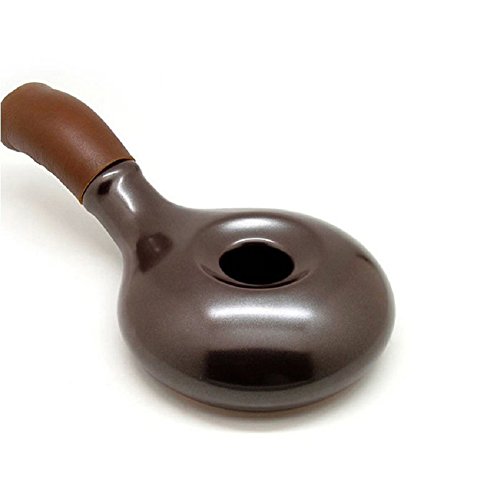
Nuvo Eco Ceramic Handy Coffee Bean Roaster

JIAWANSHUN Electric Coffee Bean Roaster Machine 1.1lb Capacity
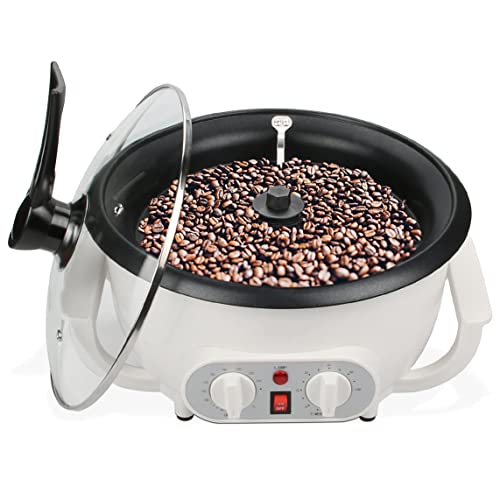
ANGELLOONG Coffee Roaster Machine 110V 1200W Coffee Bean Roaster

DYVEE Coffee Bean Cooler Electric Roasting Cooling Machine

500g Coffee Bean Roaster Machine with Timer 110V

JIAWANSHUN Coffee Bean Roaster Machine 1.1LB Capacity Electric Roaster

Coffee Roaster Machine for Home Use 110V Coffee Bean Roaster
More Details On Our Top Picks
The ceramic body and genuine cowhide grip give this roaster a very old-school feel, which suits you well if you want a more manual, tactile approach. It’s the kind of pick that makes sense for small kitchen sessions, not for turning out large batches before work.
Compared with the electric units in this list, Nuvo is lighter on automation and heavier on attention, so the trade-off is control versus convenience. That’s appealing for home roasters who enjoy a more hands-on pace and don’t mind a little cleanup after each use.
Strong Points
- Ceramic construction handles roasting duties with a simple, traditional feel.
- Cowhide grip adds a steadier hold during routine handling.
- Small footprint suits kitchens with limited storage space.
- Manual style keeps the process straightforward for beginners learning roast cues.
Small Caveats
- Manual roasting asks for more attention than the electric picks here.
- Cleanup matters, since a ceramic hand tool usually needs careful handling.
- Batch size is naturally smaller than the machine-style options in this roundup.
Feature Snapshot
Who It Suits Best
You’re the right match for this one if you like a compact, hands-on roasting tool and don’t need automation.
Where A Sibling Pick Shines
JIAWANSHUN Electric Coffee Bean Roaster Machine for Home Use, 1.1lb Capacity fits home users who want dialed-in heat control and a more guided process.
This JIAWANSHUN model makes sense for you if you want more control than a simple hand roaster can give. The timer and 0 to 240℃ temperature range put the setup in a category that feels more like a guided home appliance than a basic accessory.
Compared with Nuvo’s manual ceramic approach, this one leans into consistency and repeatable settings, which is handy when you roast the same beans week after week. The honest trade-off is that more controls usually mean a little more learning up front, so it suits patient home users better than casual dabblers.
What We Like
- Timer support helps you keep roast sessions organized.
- Wide temperature adjustment gives you room to shape roast level.
- 1.1 lb capacity works well for modest home batches.
- Electric operation reduces the hand-on effort needed for each session.
Worth Noting
- The wider control set can feel busy at first.
- More moving parts usually means more attention to cleaning and upkeep.
- The size fits home use better than larger community or cafe-style roasting needs.
Details At A Glance
Built With In Mind
You’ll get the most from this model if you want repeatable home roasting and value direct control over heat and timing.
Swap It Out When
ANGELLOONG Coffee Roaster Machine 110V 1200W Coffee Bean Roaster suits you better when you want a larger 750g home-roasting format with a glass lid in view.
The ANGELLOONG unit sits in the middle ground nicely, with 1200W heating, a 750g home-roasting capacity, and a clear glass lid for checking progress without opening the chamber. That mix makes it appealing for you if you want more batch room than a compact hand tool, but still want something sized for a home counter.
Compared with the smaller JIAWANSHUN roaster above, this one leans more toward batch flexibility than fine-grained adjustment alone. The catch is that larger home capacity can tempt you to load too much at once, so it works best when you’re willing to keep batch discipline.
Highlights
- 750g capacity supports more generous home roasting sessions.
- 1200W heating gives the machine solid thermal muscle.
- Temperature range from 212 to 464 F covers a broad roasting span.
- 0 to 60 minute timer helps you pace longer or shorter sessions.
- Glass lid makes it easier to watch the roast without constant opening.
Areas To Watch
- Larger batches need more attention so roast results stay even.
- Glass parts tend to ask for careful cleaning and handling.
- The feature set is more involved than a simple starter roaster.
Quick Facts
Right Fit For
You’re a strong match for this model if you want a home roaster that balances batch size, heat range, and visibility.
Look Elsewhere When
Nuvo Eco Ceramic Handy Coffee Bean Roaster suits you better when you want a simpler manual setup with a smaller footprint.
Cooling matters more than many first-time roasters expect, and that’s where this DYVEE machine earns its place. It’s aimed at home or cafe-style roasting setups where you want to bring beans down quickly after heat exposure instead of leaving them sitting hot in the tray.
Compared with the roasting machines in this list, this one plays a support role rather than a roasting role, so it belongs in a more complete setup. You may find it especially useful once your routine gets serious enough that post-roast handling starts affecting consistency.
Best Bits
- Dedicated cooling helps round out a more complete roasting workflow.
- Useful for home setups that want more control after roasting ends.
- The format suits people who already have a separate roaster.
Softer Spots
- It supports cooling, not roasting on its own.
- That means it makes sense only in a fuller setup.
- Extra equipment also means more storage and cleaning to manage.
Core Details
Whose Shelf It Belongs On
This fits you best if your roasting setup already exists and you want a separate cooling stage for better workflow control.
A Better Fit Elsewhere
GIVEROO 500g Coffee Bean Roaster Machine with Timer 110V makes more sense for home users who still need the roasting machine itself.
The 500g capacity gives this GIVEROO model a practical middle zone, especially for you if 1.1 lb units feel like more machine than you need. With a timer, 0 to 240℃ control, and a non-stick surface, it lands in that useful spot between basic and fussy.
Compared with ANGELLOONG, this one is a little more compact in batch size but still offers thoughtful control for home use or a small cafe setting. The non-stick pan is a nice ownership detail because it usually makes cleanup less annoying, though any coated surface still deserves gentle treatment.
Plus Points
- 500g capacity is a sensible size for regular home roasting.
- Timer support keeps sessions organized.
- 0 to 240℃ adjustment gives you useful heat flexibility.
- Non-stick pan can simplify cleanup after roasting.
- Works for both household use and smaller cafe setups.
Points To Note
- Non-stick surfaces usually need careful utensils and cleaning habits.
- The batch size may feel modest for larger weekly roasting plans.
- More control still asks you to stay attentive during the roast.
Feature Rundown
The Right Fit
You’ll likely like this one most if you want a balanced capacity with enough control for steady home roasting.
Another Choice May Suit
JIAWANSHUN Coffee Bean Roaster Machine for Home Use, 1.1LB Capacity is a stronger match for you if larger home batches matter more than a 500g format.
This JIAWANSHUN version pushes hard on convenience, especially with its non-stick pan and 1.1 lb home-roasting capacity. In a busy kitchen, that kind of setup can feel easier to live with because cleanup is simpler and the larger batch size saves you from repeating the process too often.
Compared with the earlier JIAWANSHUN model, the core story is similar, but this one puts a bit more weight on ease of use after the roast. The trade-off is familiar: more room and a coated pan help day-to-day ownership, while the rest of the machine still asks you to pay attention during roasting.
Reasons To Buy
- 1.1 lb capacity suits home roasters who make steady batches.
- 0 to 240°C control gives broad heat adjustment.
- Non-stick pan can reduce cleanup frustration.
- 1200W heating gives the unit enough power for home sessions.
- The shape is practical for routine use rather than novelty.
Room For Improvement
- Coated surfaces usually call for gentle cleaning habits.
- The larger format may take more storage space than compact picks.
- You still need to monitor roast progress instead of walking away.
Technical Sheet
Best Suited To
You’re in the sweet spot for this model if you want a larger home roaster with straightforward cleanup and broad heat adjustment.
Where A Sibling Pick Shines
500g Coffee Bean Roaster Machine with Timer 110V suits you better when you want a smaller batch size and a more compact routine.
This Mingfuxin roaster keeps the formula straightforward, with a timer, 1200W power, and a 110V design that fits common home setups. That makes it a steady sort of option for you if you want a machine that feels useful without asking for a complicated routine.
Compared with the more control-heavy models above, this one reads as approachable and flexible, especially since it’s also described for peanuts and nuts. The honest trade-off is that broad versatility can be handy, but you still need to respect roast timing and avoid treating it like a set-it-and-forget-it appliance.
Best Bits
- Timer support helps you stay organized during each session.
- 1200W power gives the machine useful everyday roasting capacity.
- 110V compatibility suits common household electrical setups.
- Versatile use for coffee beans and other roasting tasks adds flexibility.
Honest Caveats
- Versatile use does not remove the need for close attention while roasting.
- The broader-purpose design may not feel as specialized as some coffee-only picks.
- Routine cleanup still matters after each batch.
Feature Card
Made With In Mind
You’re a strong fit for this one if you want a simple home roaster that can handle coffee beans and related roasting tasks.
Reach For A Different Pick When
ANGELLOONG Coffee Roaster Machine 110V 1200W Coffee Bean Roaster makes more sense when you want a visible glass lid and a larger 750g home batch.
How To Choose The Right Coffee Bean Roasters
Match The Machine To Your Roast Style
Manual tools suit you when you like feeling every step of the process and you roast in small amounts. Electric units make more sense once you want timer support, temperature control, or a repeatable routine that fits weekday life. The right choice usually comes down to how much attention you want to give each batch.
Check Capacity Before Anything Else
A 500g roaster and a 1.1 lb model solve different problems, even though both live in the same category. Smaller capacity keeps the machine easier to store and manage, while a larger chamber can reduce how often you need to roast for the week. The trade-off is simple: bigger batches usually ask for more careful heat control.
Pay Attention To Heat Control And Materials
Temperature adjustment matters because roast flavor develops in stages, and a wider range gives you more room to steer. Non-stick pans can make cleanup easier, while ceramic or glass components can change how you handle storage and care. Think about long-term upkeep, not just the first session.
Don’t Ignore The Extras Around The Roast
A timer, lid visibility, or a separate cooling machine can matter more than they look on paper. In a busy kitchen, those supporting features can make the process feel smoother and less rushed. They don’t replace good roast habits, but they do make ownership easier.
What To Weigh Before You Choose
Hidden Buying Traps
Many first-time shoppers focus on heat and forget about cleanup, batch size, and where the machine will live on the counter. That’s where regret usually starts, because a roaster that sounds appealing can still be awkward in a small kitchen. You’ll avoid that problem by matching the unit to your actual weekly routine.
Another common mistake is choosing a feature-heavy model without wanting the learning curve that comes with it. A timer and wide temperature range are useful, but they only help when you’re willing to stay engaged during the roast. Simple tools still have a place for people who want less fuss.
The Upgrade Payoff
Higher-tier models usually cost more because they give you more control, more capacity, or a friendlier cleanup experience. In this category, that can mean a non-stick pan, broader temperature adjustment, or a larger roast chamber that suits regular use. Those extras are worth paying for when you roast often and want the process to feel smoother.
The upgrade matters less for occasional coffee hobbyists who only want a basic home setup. For them, a simpler model can be easier to live with and easier to store. Spending more makes sense once your roasting habit becomes part of your week.
Frequently Asked Questions
How much capacity do you need for home roasting?
A small batch roaster is usually enough for occasional use and limited counter space. Larger capacities suit households that go through beans quickly or roast on a schedule.
Do you need a timer in a coffee roaster?
A timer helps you stay consistent from batch to batch. It’s especially useful once you stop guessing and start chasing repeatable results.
Is temperature control important?
Yes, because roast progress depends heavily on heat management. A wider range gives you more room to work with different beans and roast goals.
Do cooling machines matter?
They matter most when you roast often and want the beans to cool promptly after heating. A separate cooler makes more sense in a fuller setup than in a bare-bones one.
Which type is easiest to maintain?
Non-stick surfaces and simpler designs usually make cleanup easier. More controls and more parts can improve flexibility, but they also ask for a bit more care.
Final Thoughts
You’ve got a solid spread of Coffee Bean Roasters here, from a simple ceramic hand tool to electric models with timers, broad temperature control, and larger batch capacity. The best match depends on how much control you want, how much coffee you roast at once, and whether cleanup or storage matters most in your kitchen. Start with your routine, not the spec sheet. That keeps the choice grounded, and it usually leads you to the roaster you’ll actually enjoy using.
