

You want fresh grounds without turning your counter into a clutter zone, and that’s exactly where a budget grinder can earn its keep. Some of these picks suit quick weekday cups, while others fit camping bags, small apartments, or a more controlled espresso setup. The trade-off is simple: blade grinders are fast and easy, burr grinders are steadier, and manual mills give you more control without a cord in the way. This roundup helps you sort those differences without wasting time on specs that sound nice but won’t change your morning.
Quick Look At Our Shortlist

Wancle Electric Coffee Grinder

Lonkion Burr Coffee Grinder Electric

Rsoilch Manual Coffee Grinder
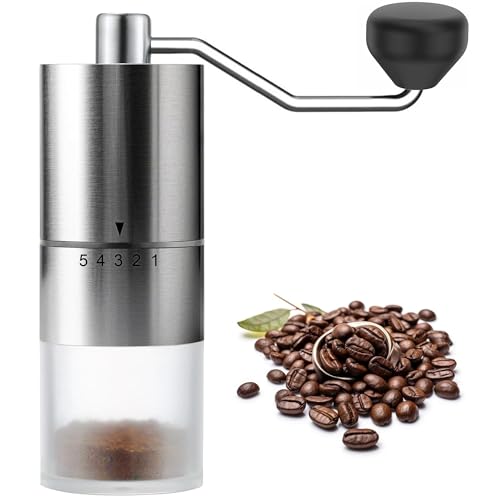
EZLucky Manual Coffee Grinder
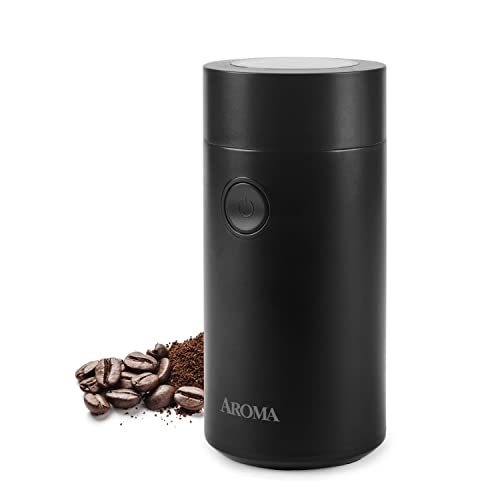
Aroma Housewares Mini Coffee Grinder

Dalle Small Coffee Grinder

Rsoilch Manual Coffee Grinder 40 Settings
More Details On Our Top Picks
For a quick morning routine, this one keeps things plain and easy. The one-touch setup suits a busy kitchen, and the stainless steel build gives it a sturdier feel than many bare-bones blade grinders.
The honest trade-off is control, since blade grinders lean more on timing than precision. That said, you’ll probably appreciate it most when you want beans, spices, or a small batch ground without fuss.
Strong Points
- One-touch operation keeps prep simple.
- Stainless steel housing adds a more solid feel.
- Works for beans and spices, which helps in small kitchens.
- Quiet operation suits early starts better than louder grinders.
- Included brush makes cleanup less annoying.
Things To Consider
- Blade grinding gives less grind consistency than burr styles.
- Timing matters, so the result can vary from batch to batch.
- Small-capacity blade grinders need a little batch discipline.
Feature Snapshot
Who It Suits Best
You’ll like this most for quick, low-fuss grinding in a home kitchen or dorm-style setup.
Where A Sibling Pick Shines
Lonkion Burr Coffee Grinder Electric suits you better when consistent grind sizes matter more than speed.
This is the kind of pick that makes more sense once you want steadier morning cups, not just speed. The 28-step grind control gives you room to move from finer espresso work to coarser settings for other brew styles.
Compared with the Wancle blade grinder, this burr design is the more thoughtful route for people who care about repeatable results. The trade-off is that burr grinders usually ask for a little more counter space and a bit more cleaning attention.
What We Like
- 28 grind settings give you real dialing range.
- Burr design supports more even particle size.
- Fits a home brewing routine with room to grow.
- Stainless steel finish looks cleaner than many plastic-heavy budget units.
Worth Noting
- More settings help, but setup still takes a little patience.
- Burr grinders usually need more cleanup than simple blade models.
- It’s less grab-and-go than the compact manual grinders here.
Core Details
Made For
You’ll get the most from this if you brew at home and want more control than a blade grinder can offer.
A Better Fit Elsewhere
EZLucky Manual Coffee Grinder fits you better for travel bags, since it stays simple and cord-free.
Manual grinders earn their place when you care more about control and portability than about pushing a button. This Rsoilch model leans into that idea with a ceramic burr, meaning the grinding parts are ceramic rather than metal, and five adjustment steps that keep the setup simple.
It fits well for a camping kit or a pared-down kitchen, though the hand-crank approach naturally takes more effort than an electric unit. The ceramic burr also usually wipes clean easily, which helps when your mornings are busy and you do not want another fussy appliance.
Positives
- Ceramic burr helps deliver a steadier grind than basic blade units.
- Hand-crank design stays useful where outlets are inconvenient.
- Five settings keep the control simple for everyday brewing.
- Portable shape suits travel kits and small shelves.
Small Caveats
- Hand grinding takes more time than electric options.
- Five settings are useful, though not as granular as higher-step models.
- Manual use can feel slow for larger morning batches.
Details At A Glance
Built With In Mind
You’ll appreciate this most for camping, guest rooms, or small kitchens where a corded appliance feels unnecessary.
Another Choice May Suit
Rsoilch Manual Coffee Grinder 40 Settings makes more sense for espresso fans who want finer control at home.
External grind adjustment makes this EZLucky model easier to live with than many manual grinders that hide the control under the assembly. The ceramic conical burr, meaning the burr parts are cone-shaped ceramic grinding pieces, gives you a more deliberate setup for pour-over or espresso prep.
It’s a good fit for travel and camping because the adjustment ring is quick to understand and the form stays compact. Compared with the Rsoilch manual grinder above, this one sounds friendlier for people who want faster setting changes without digging through a more fiddly mechanism.
Highlights
- External adjustment ring is easy to reach.
- Ceramic conical burr supports more even grinding than basic blade units.
- Portable layout suits trips and limited counter space.
- Works for espresso, pour-over, and similar home brewing styles.
Points To Note
- Manual grinding still asks for elbow grease.
- Five settings keep things simple, though not ultra-fine.
- Smaller manual mills can take a little more attention during cleaning.
Feature Rundown
The Right Fit
You’ll like this most for portable brewing and for mornings where simple adjustment matters more than speed.
Swap It Out When
Lonkion Burr Coffee Grinder Electric suits you better for bigger home batches and a plug-in routine.
Small kitchens benefit from this style of grinder because it does not ask for much room, and that matters more than flashy extras. The 304 stainless steel blades are a practical touch, and the clear lid helps you keep an eye on the grind without opening the unit mid-cycle.
Owners looking for coffee and herb use in one compact appliance may find it handy, though blade grinders still work best when you accept a little variation in texture. Compared with the Wancle, this Aroma unit is the more space-conscious option for a tight counter or a first apartment.
Upsides
- Mini size suits cramped counters and storage shelves.
- Stainless steel blades handle small batches quickly.
- Clear lid helps you monitor the grind in use.
- Works for coffee and herbs, which broadens day-to-day usefulness.
Areas To Watch
- Blade grinders usually give less even results than burr grinders.
- Small capacity means you’ll likely work in short batches.
- The clear lid needs gentle handling during cleaning and storage.
At A Glance
Whose Shelf It Belongs On
You’ll like this most in a small apartment, starter kitchen, or spice drawer setup.
Reach For A Different Pick When
Dalle Small Coffee Grinder makes more sense for speed-focused grinding and a more energetic motor feel.
The Dalle takes a more forceful approach than the Aroma mini grinder, and that shows up in how it’s positioned for faster powder-style grinding. The 200W motor and 28,000 RPM speed point to a unit built for quick work with coffee beans, spices, seeds, and similar dry ingredients.
That kind of speed is useful in a busy kitchen, though high-powered blade grinders can feel louder and less measured than burr models. You’ll probably get the most value from it when one appliance has to handle several pantry jobs without occupying much space.
Best Bits
- 200W output supports quick grinding sessions.
- High rotational speed helps with fast batch work.
- Stainless steel construction suits frequent pantry use.
- Handles beans, spices, pepper, herbs, nuts, seeds, and grain.
Ongoing Watch Points
- Blade style gives less texture control than burr grinders.
- Fast grinding can be noisier than slower manual choices.
- Multi-use grinding means cleaning between ingredients matters more.
Quick Facts
Who Should Grab It
You’ll appreciate this most if you want one compact grinder for coffee and assorted dry ingredients.
Look Elsewhere When
Lonkion Burr Coffee Grinder Electric suits you better for a calmer, more consistent coffee-only routine.
More adjustment steps change the feel of a manual grinder a lot, and this Rsoilch model leans into that with 40 settings. That wider range is useful for espresso-minded brewing, where small changes in grind size can shape the cup more than they do with basic drip or press setups.
It still stays portable enough for camping or a carry-on brew kit, though the finer control means you may spend more time finding your sweet spot. Compared with the 5-setting Rsoilch model, this one suits people who want to tune the grind more carefully instead of keeping things ultra-simple.
Bright Spots
- 40 settings give you a much wider control range.
- Ceramic burr supports a steadier grind than blade designs.
- Portable hand-crank form still works for travel and camping.
- Useful for espresso, French press, and other home brew styles.
Minor Gripes
- More settings can take a little trial and error to learn.
- Manual grinding takes longer than plug-in options.
- Portability is strong, but the hand-crank routine still asks for effort.
Core Details
Best Suited To
You’ll value this most if you want a portable grinder with more dialing freedom for espresso-style use.
Where Shoppers Go Wrong
EZLucky Manual Coffee Grinder is the easier fit for people who want a simpler adjustment ring and quicker setup.
How To Choose The Right Cheap Coffee Grinders
Start With The Grind Style You Actually Need
Blade grinders are the simplest route for fast, small-batch work, and that suits people who just want ground coffee in a hurry. Burr grinders, by contrast, crush beans between two burrs, which means more even grounds and better repeatability for pour-over, drip, or espresso-minded routines.
Manual grinders sit in their own lane. They take more effort, but they travel well and give you a quieter morning, which matters in shared homes or early starts.
Match Capacity To Your Routine
Small-capacity grinders are fine for one or two cups, but they can feel cramped in homes where several mugs happen before work. A 12-cup-rated electric burr grinder makes more sense for family breakfasts, while a 40 g mini unit fits a tighter counter and smaller portions.
Capacity also affects cleanup. Bigger chambers can hold more grounds, while tiny mills are easier to store but usually ask for more frequent refills and brushing out.
Look Closely At Adjustment And Control
Grind settings matter more than the marketing copy around them. Five settings are easy to live with, 28 settings offer a useful middle ground, and 40 settings give you more room to fine-tune espresso or other delicate brews.
That extra range is useful only when you’ll actually use it. For a casual drinker, a simpler grinder often makes the morning smoother, while a hobbyist usually benefits from the finer control.
Think About Noise, Cleaning, And Storage
Quiet operation is worth more than people expect in small apartments and homes with sleeping kids. A stainless steel body usually wipes down easily, while clear lids and included brushes make maintenance less of a chore.
Storage is part of the deal too. Manual grinders tuck into drawers and travel bags more easily, while electric units stay put on the counter and suit steadier routines.
A Quick Reality Check Before You Choose
Traps First Timers Fall Into
Many shoppers focus on power alone and skip the grind style, which is how a fast blade grinder ends up disappointing someone who wanted uniform grounds. Another common slip is buying a large machine for a tiny kitchen, then realizing it lives in the way.
It also helps to avoid overbuying settings you won’t use. A simpler grinder often feels better than a crowded control panel that never leaves one or two positions.
What The Higher Tier Buys
More expensive grinders usually pay for burr mechanisms, wider adjustment ranges, steadier motors, and better fit and finish. Those upgrades matter most when you brew often and want the cup to stay consistent from day to day.
That extra spend also tends to buy convenience in a quieter, less messy routine. For casual coffee drinkers, a simple blade grinder can be enough, but home brewers who care about repeatable results usually feel the upgrade right away.
Frequently Asked Questions
Are blade grinders good enough for everyday coffee?
They can be, especially for quick morning cups and simple drip brewing. The catch is less uniform grounds, so the cup can taste less even than with a burr grinder.
Do manual grinders save counter space?
Yes, and that’s a real advantage in apartments, office kitchens, and travel bags. They also stay quiet, which helps early in the morning.
How many grind settings do you really need?
For casual use, a small handful can be enough. Espresso-focused brewing usually benefits from finer control, so a wider setting range helps more there.
What size grinder works for a family kitchen?
A larger electric burr grinder or a roomy blade grinder makes batch prep easier. Tiny manual mills can still work, but they ask for more refills and more time.
Is cleaning a big concern with coffee grinders?
It can be, especially with grinders that handle spices as well as coffee. A brush, removable parts, and a simple grind chamber make upkeep much easier.
Closing Thoughts
The right cheap coffee grinder is the one that fits your morning, not the one with the longest feature list. If you want speed and simplicity, the Wancle and Aroma options make sense. If you care more about control, the Lonkion burr grinder or either Rsoilch manual pick gives you a steadier path, while the Dalle handles bigger mixed-ingredient jobs with more force. Pick the style that matches how you brew, and the rest tends to fall into place.
