

Shopping for a budget-friendly beans to cup setup means balancing grinder quality, frothing control, and cleanup without filling your counter with clutter. The seven picks below cover automatic espresso, grind-and-brew drip, and a couple of useful add-ons for tighter routines. That mix matters because your best fit depends less on hype and more on how you make coffee on busy mornings, slow weekends, or shared household schedules.
The Shortlist At A Glance

De’Longhi Dinamica Espresso Machine, Black

Spacekey Espresso Machine with Milk Frother
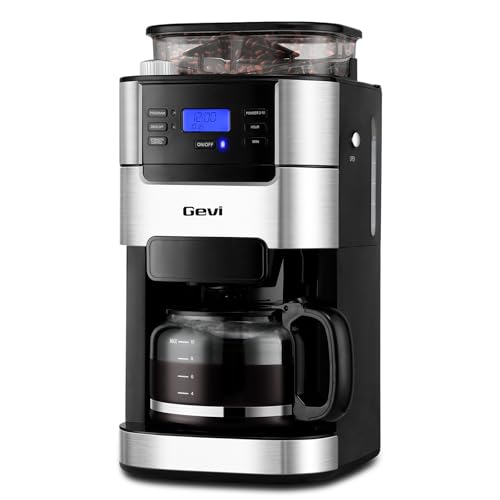
Gevi All In One 10-Cup Grind & Brew Coffee Maker

Gevi Touchscreen 12-Cup Coffee Maker

TIPRE Mini Espresso Coffee Scale with Timer

De’Longhi America Dinamica Fully Automatic Coffee and Espresso Machine

Chefman CraftBrew Espresso Machine
More Details On Our Top Picks
That built-in steel burr grinder does the heavy lifting here, so you don’t need a separate grinder cluttering the counter. In a busy kitchen, the one-touch hot and iced coffee setup makes the routine feel clean rather than fussy.
The manual frother gives you more say over milk texture, which suits you better than a fully scripted milk system. The trade-off is plain enough, you give up some convenience for more hands-on control, so this fits home espresso fans who like a little involvement.
What We Like
- Integrated burr grinding keeps the workflow compact and cuts one extra appliance from the counter.
- One-touch hot and iced drink options make weekday brewing feel simpler.
- The manual frother lets you shape foam texture for cappuccinos or lattes.
- Cleanup stays easier than it would with a separate grinder and brewer setup.
Things To Consider
- Manual milk work asks more attention than an automatic frothing system.
- The taller all-in-one footprint still wants a fair bit of counter room.
- You may spend a little time learning the best grind and dose balance for your taste.
Feature Card
Who It Suits Best
Home espresso fans who want bean-to-cup convenience with more control over milk texture will get the most from this one.
A Better Fit Elsewhere
De’Longhi America Dinamica Fully Automatic Coffee and Espresso Machine suits you better if you want the machine to handle more of the drink-building work.
Spacekey keeps its footprint tight, which helps in apartments or galley-style kitchens where every inch matters. The 20-bar pump gives you a more espresso-style push than basic entry machines, and the stainless steel body adds a cleaner, sturdier feel on the counter.
The 39 oz removable water tank also makes refilling less awkward, especially for a couple of morning drinks before work. You still need to manage frothing yourself, so this suits you best when you want compact size without giving up milk-based drinks.
Strong Points
- Compact size helps it fit where larger coffee machines would crowd the counter.
- 20-bar pump pressure supports richer espresso extraction than very basic models.
- Removable 39 oz tank makes refill and cleaning steps easier to handle.
- Stainless steel construction gives it a more durable, wipe-clean look.
Worth Noting
- Manual milk work adds an extra step during rushed mornings.
- The small tank means more frequent refills in a household that drinks several cups back to back.
- Compact machines usually ask for a little care around placement, especially near upper cabinets.
Details At A Glance
Right Fit For
Apartment dwellers and casual espresso fans who want a smaller machine with milk-drink potential will appreciate this one.
Where A Sibling Pick Shines
Chefman CraftBrew Espresso Machine works better for you if you want a more straightforward starter setup with a steam wand and larger reservoir.
This Gevi leans toward the household that wants fresh-ground drip coffee without turning mornings into a project. The built-in burr grinder handles the beans, while the 10-cup carafe, warm plate, and reusable filter suit a kitchen that brews for more than one person.
The 24-hour timer is the useful part, because it lets you stage coffee for early starts and busy school runs. The honest read is that this style makes more sense for drip drinkers than espresso fans, yet it offers a tidy middle ground between convenience and freshness.
Reasons To Buy
- Built-in grinding keeps your beans fresher than pre-ground drip routines.
- 10-cup capacity works well for shared kitchens or guests.
- 24-hour programming supports wake-up brewing and smoother mornings.
- Reusable filter lowers the amount of paper waste you need to keep around.
- Warm plate helps hold a full pot while everyone grabs a cup.
Small Caveats
- Built-in grinders usually need regular cleaning to stay consistent.
- The 10-cup format takes more counter width than a compact single-serve setup.
Core Details
Who Should Grab It
Households that want fresh-ground drip coffee with simple timing control will fit this machine well.
Look Elsewhere When
Gevi Touchscreen 12-Cup Coffee Maker suits you better if you want a more classic drip brewer with a larger cup count and a simpler interface.
Compared with the Gevi grind-and-brew model, this one skips the grinder and keeps the workflow simpler. The touchscreen, bold brew setting, and iced brew option make it a friendly fit for households that want a drip machine without much learning curve.
The 12-cup glass carafe is useful for families, office corners, or anyone who pours several mugs through the morning. The 4-hour warm plate and auto shutoff bring a sensible balance, though the glass carafe asks for a little more care than a thermal style would.
Highlights
- Touchscreen controls make the daily routine feel direct and easy to follow.
- 12-cup capacity suits larger households or frequent pot brewing.
- Bold and iced brew modes give you more flexibility from one drip machine.
- 4-hour warm plate helps keep coffee ready across a longer morning window.
- Auto shutoff adds a practical layer of convenience after brewing.
Points To Note
- Glass carafes usually need gentler handling than insulated ones.
- Skipping the grinder means you’ll need pre-ground coffee or a separate grinder.
- The 12-cup size can feel large on a very tight counter.
Quick Facts
Made For
Families and shared kitchens that want a simple drip brewer with flexible brew modes will get good mileage from this one.
Another Choice May Suit
Gevi All In One 10-Cup Grind & Brew Coffee Maker fits you better if fresh beans matter more than touchscreen convenience.
This is the supporting tool that helps a budget espresso setup feel more intentional. The 0.1 g readout, timer, and flow-rate display matter most when you want to repeat a dose or keep pour timing steadier, especially on compact home bars.
The USB-C rechargeable design and mute mode make it easier to live with in a shared kitchen or early-morning routine. Compared with the larger machines above, it’s not a brewer at all, so it suits you best as a precision add-on rather than a standalone coffee solution.
Best Bits
- 0.1 g precision helps you measure espresso doses with far more consistency.
- Timer and flow-rate readout support a more repeatable brewing routine.
- USB-C charging keeps it simple to power up without replacing batteries.
- Mute mode is handy in quiet homes or early starts.
- Compact size leaves room for a grinder, portafilter, and tamper on the counter.
Areas To Watch
- It helps the process, but it does not make coffee on its own.
- The small format can feel a little cramped under larger cups or wider accessories.
- Precision tools are happiest on a level, stable surface.
Technical Sheet
The Right Fit
Home espresso hobbyists who want tighter control over grams, timing, and flow will get the most value here.
Where Shoppers Go Wrong
De’Longhi Dinamica Espresso Machine is the better match if you want a true bean-to-cup brewer rather than a measuring tool.
This Dinamica sits above the manual and semi-automatic picks because it leans harder into push-button convenience. The lower-temperature iced coffee recipe, pre-infusion, and extra-strong option are useful details for someone who wants more control without adding separate steps.
The less-than-40-second heat-up is the other practical draw, especially on school mornings or before work. The stainless steel finish brings a cleaner look than the plastic-forward machines, though the trade-off is that fully automatic convenience tends to sit at a higher rung in both footprint and upkeep.
Upsides
- Fully automatic operation cuts down the number of steps between beans and cup.
- Iced coffee recipe support gives you more range across seasons.
- Lower-temp brewing and pre-infusion aim for a smoother cup over ice.
- Less than 40-second heat-up helps the machine feel ready quickly.
- Stainless steel housing gives the unit a more polished kitchen presence.
Honest Caveats
- Fully automatic machines usually ask for more care and cleaning than basic drip brewers.
- The extra convenience tends to come with a larger body on the counter.
- It makes the most sense for households that will use those automatic features often.
Feature Rundown
Whose Shelf It Belongs On
Busy households that want a more automatic path from beans to espresso and coffee will appreciate this machine most.
Skip It When
Spacekey Espresso Machine with Milk Frother makes more sense if you want a smaller, more affordable-feeling espresso setup for a tighter counter.
Chefman gives you a clear path into home espresso without asking for a large footprint or a complicated routine. The 15-bar pump, digital controls, steam wand, and 1.5 L removable reservoir line up well for lattes and cappuccinos in a starter setup.
The stainless steel finish helps it feel less disposable than the cheapest-looking entry models, and the removable tank is useful in real kitchens where filling from a sink matters. Compared with the Spacekey machine, this one feels a touch more straightforward for milk drinks, though it still leaves frothing in your hands.
Positives
- 15-bar pump pressure gives the machine a solid espresso-style foundation.
- Steam wand support makes milk drinks easier to build at home.
- 1.5 L removable reservoir is practical for refills and cleaning.
- Compact design works well in smaller kitchen setups.
Room For Improvement
- Manual steaming adds a learning curve for latte work.
- Compact machines can feel a little dense around the drip area during cleanup.
- Digital controls help, but the drink flow still needs some attention from you.
Core Details
Built With In Mind
Newer espresso fans and small-kitchen households who want a compact machine for milk drinks will feel at home here.
Reach For A Different Pick When
De’Longhi Dinamica Espresso Machine suits you better if built-in grinding and one-touch brewing matter more than a manual steam workflow.
How To Choose The Right Budget Beans To Cup Coffee Machine
Grinder, Frother, Or Full Automation
The first decision is how much work you want the machine to do. A built-in grinder, like the De’Longhi Dinamica models and the Gevi grind-and-brew unit, trims counter clutter and keeps beans fresher than pre-ground routines.
Fully automatic machines ask less from you, but they usually cost more and need more cleaning attention. Semi-automatic espresso machines give you more control over milk and extraction, which suits you better if you like to tune drinks rather than press one button and walk away.
Capacity And Counter Footprint
Capacity matters most in homes where coffee is made in batches. A 12-cup drip maker works for families and work-from-home setups, while a 39 oz reservoir or 1.5 L tank is better for a couple of drinks before refilling.
Footprint matters just as much. Compact espresso machines fit narrow counters, but they can feel crowded with mugs, milk pitchers, and accessory storage, so check the space around your sink and upper cabinets before settling on one.
Controls, Timers, And Daily Rhythm
Programmable timers help most in kitchens that run on a schedule. The Gevi 10-cup model and the 12-cup touchscreen brewer both serve early starts well because they let coffee wait for you instead of the other way around.
Touchscreens are convenient, but simple buttons often stay easier to live with over time. That trade-off shows up fast in a shared kitchen, where the person making coffee at 6 a.m. may want fewer choices and clearer labels.
Maintenance And Long-Term Ease
Removable tanks, reusable filters, and easy-access drip parts make a real difference once the novelty fades. A machine that wipes clean quickly tends to stay in rotation longer, especially in homes where coffee is part of every morning.
Grounds, milk residue, and water scale can all add chores, so the less fiddly the machine, the better for busy routines. Precision add-ons such as the TIPRE scale help your workflow, but they also ask you to keep your setup organized.
What To Weigh Before You Choose
Wrong Turns To Avoid
It’s easy to fixate on pressure numbers and ignore the rest of the setup. A strong espresso pump does not help much if the tank is too small for your habits or the milk system feels awkward every morning.
Another common mistake is buying a large drip brewer for one person or a tiny espresso machine for a family pot routine. Match the machine to your actual cup count, not the idea of what sounds impressive on a product page.
The Upgrade Payoff
Higher-tier machines usually spend the extra money on automation, better temperature control, and more refined materials. That’s why the fully automatic De’Longhi Dinamica and the steel-bodied Dinamica Espresso Machine sit above the simpler starter picks.
The upgrade makes sense when coffee is part of your everyday rhythm and you value time more than tinkering. For occasional use, a simpler machine or even a scale-based espresso setup can keep things practical without stretching the budget.
Frequently Asked Questions
What makes a beans to cup machine different from a standard coffee maker?
A beans to cup machine grinds whole beans right before brewing, which cuts out a separate grinder step. Standard coffee makers usually expect pre-ground coffee or a separate grind routine.
Do you need a built-in grinder for a good home setup?
You do not need one, but it does make the routine simpler and often tidier. If you already own a grinder, a drip brewer or espresso machine without one can still fit your kitchen well.
Is a 12-cup coffee maker too large for a small kitchen?
Not always, but the counter footprint matters more than the cup count alone. A smaller espresso machine or a compact grind-and-brew model usually suits tight counters better.
Why does pump pressure matter on an espresso machine?
Pump pressure helps create the force needed for espresso-style extraction. It does not tell the whole story, though grind quality, basket use, and temperature also matter.
Which pick makes the most sense for a first espresso setup?
Chefman CraftBrew Espresso Machine is a practical starting point because it keeps the controls straightforward. Spacekey Espresso Machine with Milk Frother is the better fit for a tighter counter.
Bottom Line
Your best budget beans to cup coffee machine depends on how much control you want and how much counter space you can spare. The De’Longhi picks suit you when convenience and grind quality matter most, while Gevi covers the daily drip crowd with useful timers and bigger carafes. Spacekey and Chefman handle smaller espresso setups, and the TIPRE scale helps when precision becomes part of the ritual. Pick the machine that fits your mornings, not the one with the longest feature list.
