

Iced coffee works best when the bean, brew style, and grind match the way you actually drink it. Some picks shine in a bottle, some are better for a pitcher in the fridge, and some are built for a quick shake or blend before you head out. This roundup keeps the focus on flavor, convenience, and fit, so you can choose a bag, bottle, or packet that suits your routine without guessing.
The Shortlist At A Glance


Dunkin’ Original Iced Coffee Bottle 13.7 fl oz, 12 Pack
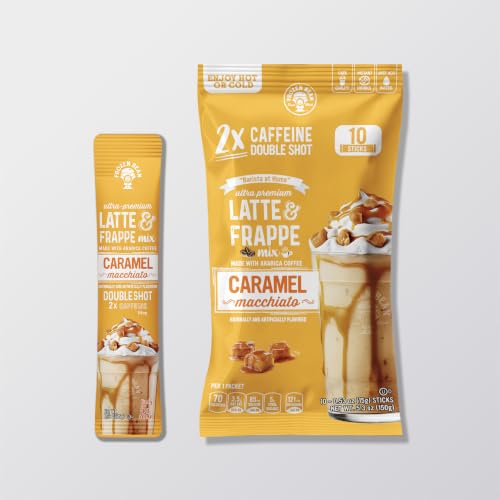
The Frozen Bean Caramel Macchiato Instant Coffee Frappe 10 Sticks

Roast Ridge Ground Medium Roast Cold Brew Coffee Blend 2 lb.
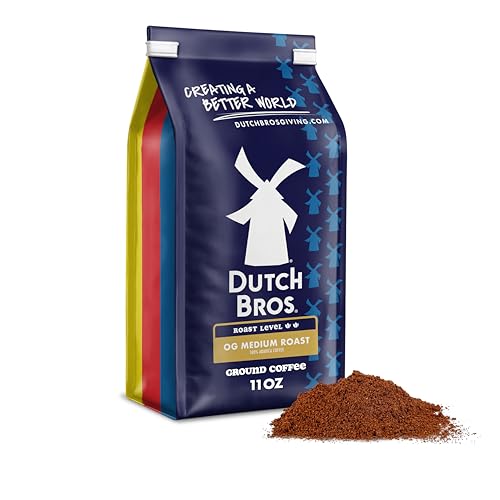
Dutch Bros OG Medium Roast Ground Coffee
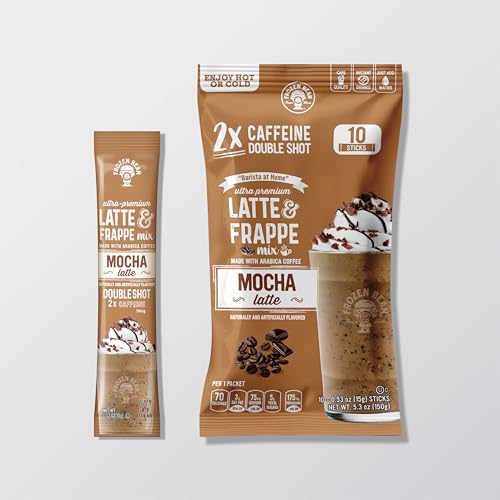
The Frozen Bean Mocha Instant Coffee Frappe 10 Sticks

Fresh Roasted Coffee Organic Frostbite Cold Brew Coarse Ground 12 oz
More Details On Our Top Picks
ChestBrew Moon Bear is the kind of whole bean pick that suits a home grinder and a straightforward cold brew routine. The promise here is a bold cup with a smooth edge, so you get strength without the harsh finish that can make iced coffee feel thin or sharp.
In a busy kitchen, that balance matters more than flashy notes on the bag. It’s a smart match for you if you want a base that still tastes steady after ice melts, though the whole-bean format does ask for a grinder and a little extra prep.
What We Like
- Whole beans give you control over grind size for drip, French press, or cold brew.
- Bold profile works well over ice without tasting watery too quickly.
- Smooth finish helps the cup stay clean, especially after chilling.
- 20 oz size supports several brewing sessions before you need to restock.
Things To Consider
- You’ll need a grinder, so it asks for a little more setup than pre-ground options.
- The flavor style leans strong, which may feel more assertive than you want for a lighter afternoon glass.
Feature Snapshot
Who It Suits Best
You’ll get the most from this pick if you make iced coffee at home and want full control over the grind.
A Better Fit Elsewhere
Dunkin’ Original Iced Coffee Bottle, 13.7 fl oz, 12 Pack suits commuters who want ready-to-drink convenience without any prep.
Ready-to-drink iced coffee keeps life simple, and this bottle format leans into that hard. You open it cold, pour it over ice, and get a smooth cup without touching a brewer, which suits early starts, office fridges, and afternoons that leave no time for setup.
The 171 mg caffeine per bottle is a clear spec, so it also fits days when you want a more substantial lift from a single drink. The trade-off is just as clear, since bottled coffee gives you convenience first and less room to tune sweetness, strength, or grind.
Highlights
- Ready-to-drink format removes brewing steps completely.
- 13.7 fl oz bottle size is easy to stash in a work fridge or cooler.
- 171 mg caffeine per bottle gives the drink real staying power.
- Smooth original profile suits people who want a familiar iced coffee taste.
Room For Improvement
- Single-serve bottles create more empty packaging than a bag of beans or grounds.
- The flavor profile is fixed, so it leaves little room for customization.
Core Details
Who Should Grab It
This suits commuters, office workers, and anyone who wants cold coffee ready the moment it leaves the fridge.
Skip It When
ChestBrew Moon Bear 20 oz makes more sense for home brewers who want to dial in grind size and build a pitcher from scratch.
Single-serve frappe sticks are handy for desk drawers, travel bags, or a pantry shelf that has no room for bottles and big canisters. This one leans into caramel macchiato flavor, real Arabica coffee, and a stated 114 mg caffeine, so it sits between dessert-style coffee and a more practical workday drink.
The 5 g sugar figure gives you a clear sense of what’s inside each serving, which helps a lot if you like to compare mixes before adding milk or ice. One thing worth considering is that instant frappe packets feel convenient, but they ask you to like the format as much as the flavor.
Bright Spots
- Single-serve sticks are easy to pack and portion.
- Works as a hot mix or a blended iced drink.
- Real Arabica coffee gives the flavor profile more depth than a generic sweet mix.
- 114 mg caffeine per serving makes the cup feel more substantial.
- Caramel macchiato style fits people who want a sweeter café-like profile.
Softer Spots
- The sweeter profile may be more than you want for a plain morning cup.
- Packet drinks create little pouches to throw out after each use.
- You need a blender or a good shake if you want the iced version to feel smooth.
Details At A Glance
Built With In Mind
You’ll appreciate this most in travel, office, or dorm settings where a blender bottle beats a full coffee setup.
A Better Fit Elsewhere
Dunkin’ Original Iced Coffee Bottle, 13.7 fl oz, 12 Pack suits you better if you want a ready-made cold drink with no mixing at all.
This bag is built for batch brewing, which makes it a stronger fit than the packet-based Frozen Bean picks for anyone filling a fridge pitcher. The coarse grind matters because cold brew usually needs larger grounds for slower extraction, and that helps the cup stay cleaner instead of muddy.
The source data also points to a few useful filters, including vegan, allergen-free, non-GMO, kosher, and vegetarian positioning. That range won’t matter to everyone, but it does make the bag easier to place in households with mixed preferences and a regular cold brew habit.
Best Bits
- Coarse ground format suits cold brew steeping.
- 2 lb bag supports repeated brewing at home.
- Medium roast gives you a middle-ground profile that can work with milk or black.
- Several dietary-positioning notes make the bag easy to sort into a shared kitchen.
Areas To Watch
- Coarse ground coffee is less flexible than whole beans for people who want to change brew methods often.
- The larger bag makes more sense for steady use than for occasional iced coffee.
Quick Facts
Whose Shelf It Belongs On
Keep this on the shelf of a home brewer who likes to make cold brew in larger jars or pitchers.
Look Elsewhere When
ChestBrew Moon Bear 20 oz is the better call if you want whole beans and the freedom to grind for several different brew methods.
Flavor notes matter more than branding when you’re building iced coffee that still tastes alive after the ice melts. This ground coffee calls out milk chocolate and citrus, so you get a profile that can feel round at the start and a little brighter on the finish, which is useful in milk-based iced drinks.
It also pairs with Dutch Bros creamers, so the bag makes sense for someone already leaning into that flavor lane. Compared with Roast Ridge’s more utility-first cold brew blend, this one feels more about taste character than brewing flexibility, and that’s exactly its appeal.
Upsides
- 100% Arabica grounds usually give a cleaner, more defined flavor profile.
- Milk chocolate and citrus notes add depth for iced lattes and simple iced coffee.
- Pairs with Dutch Bros creamers for a coordinated flavor setup.
- 11 oz bag is a manageable size for trying a new flavor direction.
Minor Gripes
- The smaller bag may feel brief if you drink iced coffee every day.
- Flavor-forward grounds are less neutral than a classic utility blend.
At A Glance
Perfect Match For
You’ll like this most if you enjoy iced coffee with a flavor profile that leans a little sweeter and more layered.
Another Choice May Suit
Roast Ridge Ground Medium Roast Cold Brew Coffee Blend 2 lb. fits better for home brewers who want a larger coarse-ground bag for pitcher-style cold brew.
Mocha works nicely in iced coffee because chocolate notes tend to stay readable even after dilution, and that’s the lane this mix occupies. The single-serve format makes it easy to keep at work or in a carry-on, so you’re not measuring, scooping, or cleaning much.
Compared with the caramel macchiato version, this one should feel a touch more dessert-like and a little more direct in flavor. The honest read is that it’s best for people who like instant drinks to feel fun first and fast second, not the other way around.
Reasons To Buy
- Single-serve packets make portioning simple.
- Mocha flavor suits iced blends and sweet coffee breaks.
- Real Arabica coffee adds more depth than a plain flavored mix.
- 114 mg caffeine per serving gives the packet real substance.
- Works for hot or blended iced preparation.
Worth Noting
- You’ll have packet waste to deal with after each serving.
- Mocha flavor can feel rich for anyone who prefers a plain iced coffee cup.
- Blended use usually asks for a blender or strong shaker.
Feature Card
Right Fit For
You’ll get the most out of this if you want mocha-style iced coffee without setting up a full brewing station.
Swap It Out When
Dutch Bros OG Medium Roast Ground Coffee fits better for someone who wants a ground coffee bag and more control over brewing strength.
This bag speaks to people who want a more carefully framed cold brew option, especially in a home setup where grind size and ingredient details matter. The medium roast and coarse grind make it practical for steeping, while the organic positioning and third-party screening note give it a more considered profile than a casual pantry pick.
It feels a little more deliberate than Roast Ridge’s larger 2 lb bag, which makes sense for someone who buys a smaller amount and wants a tighter focus on ingredients and batch quality. That does mean you’re paying attention to detail, and that’s part of the appeal here.
Positives
- Coarse grind suits cold brew steeping.
- Medium roast keeps the flavor in a familiar middle zone.
- Organic positioning and screening note will matter to careful home brewers.
- 12 oz bag is a practical size for smaller households or first-time cold brew routines.
Points To Note
- The smaller bag means you’ll restock more often than with larger cold brew bags.
- It’s more focused on cold brew than on general-purpose brewing.
Core Details
The Right Fit
This belongs with home brewers who want a smaller organic cold brew bag and pay attention to ingredient details.
Where A Sibling Pick Shines
Roast Ridge Ground Medium Roast Cold Brew Coffee Blend 2 lb. is the better fit for larger batch brewers who want more coffee in one bag.
How To Choose The Right Beans For Iced Coffee
Match The Form To Your Routine
Whole beans give you the most control, which matters if you grind fresh for cold brew or iced pour-over. Ground coffee saves time, and ready-to-drink bottles or instant packets cut prep almost to zero.
Your routine should lead the choice. A kitchen with a grinder can handle ChestBrew Moon Bear, while a packed workday leans toward the Dunkin’ bottle or The Frozen Bean sticks.
Think About Roast, Grind, And Dilution
Iced coffee softens as the ice melts, so a bean or blend with enough body tends to hold up better. Medium roast is often a safe middle ground, while coarser grind supports slow-steep cold brew.
That trade-off shows up in the cup. A lighter, brighter bag can taste sharp over ice, and a very dark roast can feel heavy unless you like a bolder finish.
Decide How Much Convenience You Want
Convenience has a real cost in flexibility. Bottled coffee and instant frappe sticks are simple, but they lock in strength and sweetness before you pour.
Ground or whole-bean picks ask for more effort, yet they usually give you better control over brew ratio, milk, and ice. That’s the right path for you if you like adjusting each glass to your own taste.
What To Weigh Before You Click
Wrong Turns To Avoid
Many shoppers grab a coffee labeled for iced use without checking whether it’s whole bean, ground, or ready-to-drink. That creates frustration later, especially in a small kitchen where prep tools are limited.
Another common miss is ignoring grind size. Fine grounds can taste muddy in cold brew, while a coarse grind usually behaves better for long steeping.
The Upgrade Payoff
Higher-tier picks often cost more because they put money into bean quality, grind consistency, package size, or ingredient detail. You also see it in convenience, since single-serve sticks and bottled drinks trade flexibility for speed.
The upgrade makes sense when you drink iced coffee often and want a cleaner, more predictable cup. It also pays off in households that need a specific format, such as large-bag cold brew grounds or a ready-made bottle for commuting days.
Frequently Asked Questions
What kind of coffee works best over ice?
Medium roast with enough body usually holds up well once the ice starts melting. Coarse ground beans also work nicely for cold brew.
Do whole beans make better iced coffee than ground coffee?
Whole beans give you more control, since you can choose the grind for your brew method. Ground coffee is simpler and faster for daily use.
Are bottled iced coffees worth it?
Bottled coffee makes sense when convenience matters more than customization. It’s especially useful for work, errands, and travel.
How many beans or grounds should you use for cold brew?
The right ratio depends on the recipe you follow and how strong you want the cup. A coarse grind usually helps the brew stay smooth instead of cloudy.
What matters more for iced coffee, roast or grind?
Both matter, but grind size shapes extraction very strongly for cold brew. Roast level then helps decide whether the cup feels bright, balanced, or bold.
Closing Remarks
You have plenty of good paths here, but the right one depends on how much effort you want to put into each cup. Whole beans suit you best when control matters, coarse ground bags fit regular cold brew habits, and bottles or sticks help on days that leave no room for brewing. Start with your routine, then pick the format that makes iced coffee easy enough to repeat.
