

Automatic espresso and coffee machines make sense when you want café-style drinks without turning your counter into a science project. You get the most value from a machine that fits your routine, whether that means one-touch cappuccinos before work, iced drinks in the afternoon, or a grinder that keeps everything in one place. The tricky part is matching convenience, cleanup, and drink variety to the way you actually make coffee.
That’s where this roundup helps. You’ll see which models lean simple, which ones give you more drink control, and which ones are easier to live with in a busy kitchen. The lineup mixes fully automatic options with a semi-automatic choice, so you can compare convenience against hands-on control.
The Shortlist At A Glance

De’Longhi La Specialista Arte Evo Espresso Machine with Coffee Grinder
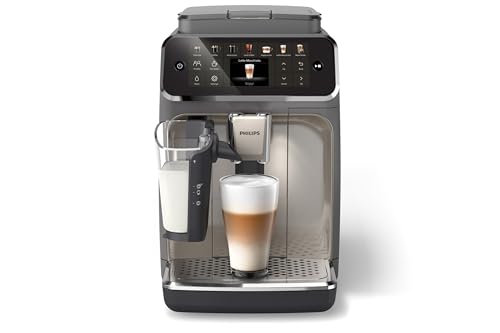
Philips 4400 Series Fully Automatic Espresso Machine LatteGo Milk System
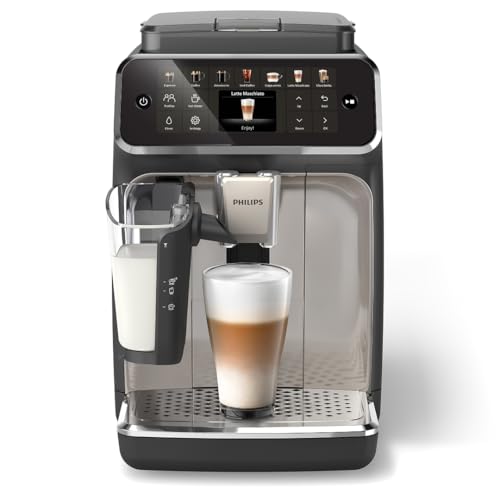
Philips 4400 Series Fully Automatic Espresso Machine Black Chrome

AIRMSEN 20 Bar Espresso Machine with Automatic Milk Frother

De’Longhi Magnifica Start Automatic Espresso Machine Silver

De’Longhi Magnifica Plus Automatic Espresso Machine Silver

De’Longhi Magnifica Start Automatic Espresso Machine Black
More Details On Our Top Picks
You’ll appreciate this machine most if you like shaping the shot instead of handing everything over to a fully automated routine. The built-in grinder keeps the setup tighter than a separate grinder and espresso combo, and the barista toolkit points to a more hands-on workflow for people who enjoy dialing in their drinks.
The trade-off is time and attention, so it suits a kitchen where the person making coffee doesn’t mind a little ritual. Compared with the simpler Philips and De’Longhi automatic picks below, this one leans more toward control than convenience, which is exactly why it stands out for home espresso fans.
What We Like
- Built-in grinder trims counter clutter and keeps the workflow in one machine.
- Four preset recipes make everyday drinks less fiddly.
- Milk frothing support helps with cappuccinos and lattes without extra gear.
- The included toolkit adds value for people who like a more involved routine.
Things To Consider
- It asks for more attention than a true one-touch machine.
- The more hands-on style can feel less convenient during a rushed morning.
- Grinder and frother parts usually mean a little more cleanup after use.
Core Details
Who It Suits Best
Home espresso fans who want grinder control and a more engaged brewing routine will get the most out of it.
A Better Fit Elsewhere
De’Longhi Magnifica Start Automatic Espresso Machine Silver suits busier mornings better, since it keeps the process simpler and more automatic.
This Philips model leans into easy daily variety, with 12 hot and iced presets and an integrated grinder that keeps the whole process compact. LatteGo is Philips’ milk system, and it’s designed to separate milk handling from the messier parts of the machine, which is helpful in a shared kitchen.
SilentBrew points to a quieter brew cycle, so it fits early mornings or apartment living better than louder machines with more mechanical noise. Compared with the De’Longhi La Specialista Arte Evo, this one asks less of you and gives more back in convenience, which is a good trade for most households.
Highlights
- 12 preset drinks give you range without a crowded control panel.
- LatteGo milk handling is simple to manage in a daily routine.
- Integrated grinder keeps the footprint cleaner than a separate grinder setup.
- SilentBrew is a smart fit for quiet kitchens and shared spaces.
- Hot and iced drink support broadens what you can make year-round.
Points To Note
- All that convenience still means you’ll want to keep milk parts washed regularly.
- The menu breadth can feel like more machine than a very basic espresso setup needs.
- Some people will still prefer a more tactile, hands-on shot-making process.
Feature Snapshot
Who Will Love This
Busy households that want a quiet, broad-appeal automatic machine will get the most value here.
Where Another Pick Suits Better
De’Longhi Magnifica Plus Automatic Espresso Machine Silver suits a household that wants more drink memory and profile flexibility.
This version of the Philips 4400 keeps the same broad drink range, but the quick-to-clean LatteGo system makes the ownership side feel more manageable. Ceramic grinders use a hard, wear-resistant material for grinding beans, and that matters because it tends to appeal to people who want a calmer, lower-fuss daily routine.
Compared with the previous Philips pick, this one is easier to picture in a kitchen where cleanup has to stay simple. The black chrome finish also gives it a more polished look, though the honest read is that the real value here comes from how little it asks of you after the cup is made.
Upsides
- Quick-to-clean milk handling saves time after repeated milk drinks.
- Ceramic grinder is a useful material choice for long-term home use.
- 12 hot and iced options cover a wide range of daily tastes.
- SilentBrew helps keep early-morning use more civil in shared homes.
Areas To Watch
- Even an easier-clean milk system still needs regular attention.
- The broad preset list can be more than a minimalist kitchen needs.
- You may find the automatic approach less satisfying than a hands-on espresso workflow.
Details At A Glance
Right Fit For
Households that want automatic drinks without a long cleanup routine will find the balance appealing.
Look Elsewhere When
De’Longhi La Specialista Arte Evo Espresso Machine with Coffee Grinder suits you better if you want more control over the drink-making process.
AIRMSEN takes a more direct route than the Philips and De’Longhi automatic machines, with a 20-bar setup, a dual boiler design, and a touchscreen front end. A dual boiler means the machine separates brewing heat from milk-steaming heat, which can help keep espresso and foam tasks moving in parallel.
The 60-ounce water tank is a useful size for a kitchen that makes several drinks before refilling, and the stainless steel body should fit neatly into more modern counters. The trade-off is that this is still a semi-automatic machine, so you stay more involved than you would with the fully automatic options above.
Best Bits
- 20-bar pressure gives the machine a more assertive espresso profile.
- Dual boiler design helps separate brewing and milk steaming tasks.
- Automatic frother makes cappuccino and latte prep easier to manage.
- Touchscreen controls feel straightforward for a modern countertop setup.
- 60-ounce tank suits households that make multiple drinks in a row.
Small Caveats
- It’s not as hands-off as the fully automatic machines in this roundup.
- The larger feature set may be more than a casual espresso drinker needs.
- A stainless steel exterior usually means fingerprints and wipe-downs matter.
- You’ll still need some routine attention around milk and water parts.
Quick Facts
The Right Fit
Espresso enthusiasts who want faster milk prep and more involvement than a one-touch machine will feel at home here.
Swap It Out When
Philips 4400 Series Fully Automatic Espresso Machine Black Chrome suits you better if you want less manual work and quieter daily use.
This Magnifica Start keeps the formula focused, with a built-in grinder, 13 grind settings, and five one-touch recipes. Grind settings let you fine-tune how coarse or fine the beans are ground, and that matters because it gives you a bit more control without pushing you into a full barista workflow.
For busy weekday use, it reads as the most straightforward De’Longhi automatic pick in this list. Compared with the La Specialista Arte Evo, it gives up some hands-on depth, but it repays that with a simpler daily routine that suits kitchens where coffee needs to happen quickly.
Reasons To Buy
- Five one-touch recipes cover the basics without making the menu overwhelming.
- 13 grind settings add useful control for different bean styles.
- Built-in grinder keeps the setup tidy and self-contained.
- Milk frother support helps you handle cappuccino and latte drinks.
Worth Noting
- The recipe count is modest next to the more feature-heavy Magnifica Plus.
- Milk frother parts still need regular cleanup in a daily routine.
- Users who want deeper drink customization may outgrow it sooner.
Core Details
Who Should Grab It
People who want an automatic espresso machine with just enough control, but not a complicated learning curve, will get the best fit here.
A Better Fit Elsewhere
De’Longhi Magnifica Plus Automatic Espresso Machine Silver suits you better if you want a larger drink menu and multiple user profiles.
The Magnifica Plus leans into variety, with 18 one-touch recipes and four user profiles, which makes it easy to imagine in a house where more than one person wants a saved setup. User profiles are simply stored drink preferences, and that saves time when the same machine serves different routines across the day.
Compared with the Magnifica Start, this one is aimed at households that want more variety and less repetition. The honest read is that it makes the most sense where the extra menu and saved settings will actually get used, because the added flexibility is what sets it apart.
Positives
- 18 one-touch recipes cover a broader set of drinks than the simpler Magnifica models.
- Four user profiles help multiple people keep their own settings.
- Built-in grinder keeps the machine self-contained.
- Milk frother support makes it suitable for espresso, cappuccino, and latte routines.
- The larger menu is helpful in households that don’t all drink the same thing.
Honest Caveats
- The extra features can feel unnecessary in a one-person kitchen.
- More drink options usually mean more to learn at first.
- Milk system upkeep still matters in regular use.
- The richer menu makes it less of a stripped-down, grab-and-go machine.
Technical Sheet
Whose Shelf It Belongs On
Shared households that want saved drink preferences and a broad menu will get the most from it.
Where Shoppers Go Wrong
De’Longhi Magnifica Start Automatic Espresso Machine Silver is the smarter match for simpler routines and smaller menus.
This black Magnifica Start keeps the same easy automatic spirit as the silver version, but the darker finish gives it a cleaner visual profile on the counter. Five one-touch recipes and a built-in grinder make it a sensible fit for someone who wants a dependable routine without a bulky setup.
In most kitchens, this feels like the neatest De’Longhi option in the group because it balances size, simplicity, and the essentials of an automatic machine. Compared with the Magnifica Plus, it skips the profile extras and broader menu, which is fine for anyone who wants less complexity and more routine.
Best Bits
- Five one-touch recipes keep the learning curve gentle.
- Built-in grinder supports fresh coffee without extra equipment.
- Easy-to-clean design suits people who want a lower-maintenance machine.
- The black finish blends neatly into many modern kitchens.
Room For Improvement
- The smaller recipe list is less flexible than the Magnifica Plus.
- It won’t satisfy someone who wants a more involved espresso ritual.
- Milk frother care still adds one more step to daily upkeep.
Feature Card
Built With In Mind
Anyone who wants a tidy, uncomplicated automatic espresso machine for everyday use will feel at home here.
Another Choice May Suit
De’Longhi Magnifica Plus Automatic Espresso Machine Silver suits you better if you want more recipes and saved profile options.
How To Choose The Right Automatic Espresso And Coffee Machines
Start With Your Daily Routine
Drink count matters more than flashy menus. A household that makes one or two milk drinks each day can usually live happily with a simpler automatic machine, while a shared kitchen tends to benefit from saved profiles, larger recipe sets, and quieter operation.
Think about the morning rush, not just weekend use. A built-in grinder keeps the setup streamlined, but it also adds cleanup and maintenance, so that convenience should match your tolerance for routine care.
Match Control To Comfort
Some machines hand you espresso with very little effort, while others let you shape grind, extraction, and milk texture more closely. Fully automatic models work well for convenience-first kitchens, and semi-automatic models suit people who enjoy learning the craft.
The right choice depends on how much you want to think before the cup is poured. More control can improve satisfaction for enthusiasts, but it also raises the learning curve and the number of parts you’ll touch.
Look At Milk Handling And Cleanup
Milk systems decide a lot of the day-to-day experience. LatteGo-style systems and automatic frothers are useful because they cut down on manual effort, yet they still need regular washing, especially in homes that make cappuccinos or lattes often.
Stainless steel bodies, ceramic grinders, and removable milk parts each change the upkeep story a little. A machine that looks polished on day one should also be easy to wipe down on day thirty, or it can start feeling like work.
Choose Capacity For The Household
Water tank size and drink preset count matter more in busy homes than in single-person kitchens. A larger tank reduces refill interruptions, and a broader menu helps when different people want different drinks from the same machine.
That said, more capacity can mean a larger footprint and more complexity. Compact kitchens usually do better with a simpler model that stays easy to place, easy to clean, and easy to live with.
What To Weigh Before You Commit
Common Shopping Slip Ups
Shoppers often overfocus on drink variety and overlook cleanup. A machine that makes eighteen drinks sounds tempting, but the daily reality still includes milk rinsing, grinder care, and the space it occupies on the counter.
Another common miss is buying more control than you’ll use. A semi-automatic model can be satisfying, but it only makes sense for people who actually want a more involved routine.
Why Top Tier Costs More
Higher-tier machines usually spend more on convenience, not just drink count. Multiple user profiles, better milk systems, quieter operation, and more refined grinders all add to the price because they improve the daily experience.
That extra spend makes sense in shared homes, espresso-heavy kitchens, and setups where the machine gets used often. For occasional use, a simpler model usually covers the need without taking over the counter.
Frequently Asked Questions
What’s the difference between fully automatic and semi-automatic machines?
Fully automatic machines handle more of the drink-making process for you. Semi-automatic models keep you more involved with shot prep and milk work.
Do built-in grinders really matter?
They matter a lot in smaller kitchens because they cut down on separate appliances. They also make the workflow feel shorter, though they add another part to clean.
Is a larger water tank worth it?
A larger tank helps in homes that make several drinks a day. It cuts down on refill stops, which is handy during busy mornings.
Are milk systems hard to keep clean?
They’re manageable, but they do ask for routine rinsing and washing. Quick-clean systems make that chore easier, which matters most in milk-heavy households.
Which machine is easiest for a first-time automatic setup?
De’Longhi Magnifica Start Automatic Espresso Machine Black is the simplest starting point in this list. Its smaller recipe set keeps the learning curve gentle.
Closing Thoughts
You’ve got a strong mix here, from hands-on espresso control to simpler one-touch routines that fit crowded mornings. The best match depends on whether you care more about variety, saved settings, quiet operation, or a compact footprint. De’Longhi and Philips each cover different comfort levels, while AIRMSEN gives you a more manual espresso feel. Pick the machine that fits your kitchen rhythm, and the cups tend to feel easier from the start.
