

Cutting back on table sugar does not mean giving up a sweet cup. You can lean on packet stevia, liquid blends, allulose, or even maple syrup, depending on how you like your coffee to taste and how much mixing you want to do at the mug.
Some options dissolve cleanly in hot coffee, others shine in iced drinks or baking, and a few bring a richer flavor that feels more like a coffee shop pour. The picks below help you match sweetness, convenience, and taste without guessing.
Quick Look At Our Shortlist

SweetLeaf Stevia Powder Sweetener 70 Packets
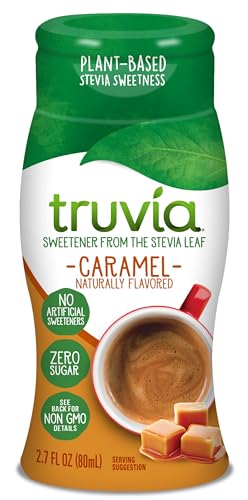
Truvia Liquid Stevia Sweetener, Caramel 2.7 Fl Oz Bottle

Truvia Allulose Sweetener 3 lb Bag

Viva Doria Allulose Sweetener 12 Oz (340g)

Stevia In The Raw Sugar Substitute 100Count Packets

BetterBody Foods Organic Monk Fruit Sweetener Blend 1lb

Whole Earth Stevia & Monk Fruit with Allulose Sweetener Packets
Whole Earth Liquid Allulose Sweetener 11.5 oz Bottle

Maple Valley Organic Pure Maple Syrup 8oz Glass Bottle
More Details On Our Top Picks
Packet stevia fits the everyday coffee habit well, and this SweetLeaf box keeps that routine simple. The powder format is easy to stash in a desk drawer or bag, which helps on commute days and at office machines.
Unlike liquid sweeteners, this option is dry and portable, so there’s less to worry about in a lunch tote. The trade-off is the usual stevia-style taste profile, which some coffee drinkers love and others notice more sharply than sugar.
Strong Points
- Single-serve packets make measuring easy.
- Zero-calorie format suits straight coffee routines.
- Small packets travel well in bags or coat pockets.
- Works beyond coffee for smoothies and baking.
Things To Consider
- Stevia’s taste can feel sharper than table sugar.
- Packet use creates more wrapper waste than bulk blends.
- Powdered sweetener can clump in damp storage spots.
Feature Snapshot
Who It Suits Best
You’ll like this most if you want a compact stevia packet for office coffee, travel mugs, or quick morning prep.
Where A Sibling Pick Shines
Whole Earth Stevia & Monk Fruit with Allulose Sweetener Packets suits you better if you want a packet blend with a softer, mixed-sweetener profile.
Caramel liquid stevia changes the mood of coffee more than plain sweeteners do. Because it’s already in syrup form, it blends fast in hot mugs and feels especially handy for iced coffee where packets can take a little extra stirring.
The bottle format also gives you finer control than preportioned sticks, which helps in strong espresso drinks. The flip side is flavor focus, since the caramel note will stay noticeable in plain coffee and won’t suit every cup.
What We Like
- Liquid form mixes quickly in hot drinks.
- Caramel flavor adds a coffeehouse-style touch.
- Serving control feels flexible for light or sweet cups.
- Bottle works well for desk or kitchen use.
Worth Noting
- The caramel profile may steer the cup away from plain coffee.
- Liquid bottles can be less portable than packet options.
- Sticky spills need a quick wipe around the cap and neck.
Technical Sheet
Made For
You’ll get the most from this if your coffee leans toward flavored drinks and you want a liquid sweetener that stirs in without extra fuss.
Look Elsewhere When
SweetLeaf Stevia Powder Sweetener 70 Packets fits better for travelers who want a drier, pocketable format.
Allulose is a sugar-like sweetener that dissolves more naturally than many zero-calorie options, and that matters in coffee. This Truvia bag suits you best when you sweeten drinks often and want a larger pantry staple instead of a pocket pack.
The measured sweetness ratio is handy for anyone replacing spoonfuls of sugar in a morning mug or recipe. The trade-off is size, since a 3-pound bag makes more sense on a shelf than in a travel kit.
Upsides
- Granular form dissolves well in coffee and tea.
- Large bag supports frequent kitchen use.
- Sugar-style measuring makes swapping from sugar easier.
- Plain flavor profile works across drinks and recipes.
Softer Spots
- The bulk bag takes more pantry space.
- Not as travel-ready as packet formats.
- Moisture exposure can make dry sweeteners less tidy to scoop.
Core Details
Whose Shelf It Belongs On
You’re the best fit for this bag if you keep a steady coffee routine at home and want a sugar substitute that behaves more like a kitchen staple.
Another Choice May Suit
Truvia Liquid Stevia Sweetener, Caramel 2.7 Fl Oz Bottle makes more sense for coffee drinkers who prefer flavored drops over scoopable granules.
Viva Doria keeps the formula straightforward, which helps when you want a simple allulose option without extra flavoring. In most kitchens, that plain profile is useful because it stays out of the way in coffee, tea, and baking.
The smaller 12-ounce pouch also fits neatly into tighter pantry space than a bulk bag. The honest read is that you give up quantity for convenience, so it feels better for moderate use than heavy daily scooping.
Bright Spots
- Plain allulose works in coffee without added flavor notes.
- Compact size suits limited cabinet space.
- Zero-calorie format fits a low-carb routine.
- Simple ingredient profile keeps the product easy to understand.
Areas To Watch
- Smaller pouch means more frequent restocking for heavy use.
- Dry sweeteners need a dry storage spot to stay easy to scoop.
- No flavor variation, which some coffee drinkers may want.
Details At A Glance
Right Fit For
You’ll appreciate this most if you want a straightforward allulose pouch for a home mug, small recipe batches, and tidy storage.
Swap It Out When
Truvia Allulose Sweetener 3 lb Bag suits households that go through sweetener quickly and prefer a larger pantry supply.
Some coffee drinkers want a packet sweetener that feels familiar, and this Stevia In The Raw box fits that habit neatly. It’s easy to keep near a drip machine, bring along for work, or use on a steady hot-drink routine.
Compared with flavored liquid options like Truvia’s caramel bottle, this one stays more neutral and less dessert-like. The trade-off is the stevia taste itself, which can come through more clearly in black coffee than it does in creamy drinks.
Reasons To Buy
- Packet format keeps portioning simple.
- Neutral setup works in hot coffee and tea.
- No erythritol may matter to ingredient-focused shoppers.
- Packet count supports regular desk or home use.
Small Caveats
- Stevia flavor can stand out in lighter coffee.
- Packet wrappers are not the tidiest option for travel trash.
- Hot drinks show the taste more than heavily milky ones.
Quick Facts
Built With In Mind
You’ll get the most use from this if you want a familiar packet stevia for office coffee, travel days, or quick mornings at home.
Reach For A Different Pick When
Whole Earth Liquid Allulose Sweetener fits better for iced coffee fans who want a pourable option instead of packets.
This blend gives you a broader pantry tool than a packet-only sweetener, and that matters for coffee plus baking. The larger one-pound bag makes sense for households that use a spoonable sweetener often and want one item that can move from mug to mixing bowl.
Because it’s a monk fruit blend, it aims for a sugar-replacement role rather than a flavored finish. The catch is that a bulk bag needs dry storage and a little more measuring discipline than individual packets.
Highlights
- Large bag supports coffee, baking, and batch prep.
- Monk fruit blend gives you a sweetener with broader use.
- Spoonable format works well in the kitchen.
- Single bag is easier to keep on a shelf than multiple boxes.
Trade Offs
- Bulk size is less convenient for travel.
- Dry blends can clump if stored in humid spots.
- Needs measuring, so it’s slower than a packet.
Feature Rundown
The Right Fit
You’re in the best spot with this blend if you keep one sweetener for morning coffee, baking trays, and general pantry use.
Another Choice May Suit
SweetLeaf Stevia Powder Sweetener 70 Packets fits better for commuters who want something smaller and easier to carry.
Packet blends make sense in coffee spaces that need speed, and this Whole Earth box keeps the footprint small. It’s a tidy pick for office cabinets, travel kits, or a kitchen counter where you don’t want a large tub in the way.
Compared with plain stevia packets, the mixed sweetener approach can feel a little rounder in flavor. The trade-off is simple, though, because 40 packets is more about compact convenience than long-haul pantry stock.
Best Bits
- Small packet box stores easily.
- Blend format can soften the stevia edge.
- Works well for quick coffee stops and office use.
- Easy to tuck into a bag or drawer.
Points To Note
- Packet count is modest for heavy daily use.
- Still a packet product, so waste builds over time.
- Flavor blends are personal, and not every cup needs that extra layering.
Feature Card
Who Should Grab It
You’ll like this best if you want a compact packet box for coffee on the move and a blend that feels a touch softer than straight stevia.
Skip It When
BetterBody Foods Organic Monk Fruit Sweetener Blend fits better for home cooks who want a larger spoonable bag.
Liquid allulose is useful for coffee because it pours cleanly and disperses fast, especially in iced drinks and layered recipes. That makes this Whole Earth bottle a smart fit for anyone tired of stirring packet crystals around the rim.
The bottle format also helps with controlled drips and smaller dose changes, which can matter in strong espresso or homemade syrup blends. The flip side is simple: liquid sweetener asks for cap care and a little more shelf space than a packet box.
Positives
- Pours smoothly into hot or cold drinks.
- Liquid format gives finer sweetness control.
- Useful in coffee, sauces, and mixed drinks.
- Non-GMO and no erythritol are clear label points.
Minor Gripes
- Bottle storage takes more room than packets.
- Liquid caps need a clean wipe after use.
- Not as grab-and-go as a pocket packet box.
At A Glance
Who Will Love This
You’ll value this most if you make iced coffee, flavored drinks, or homemade syrup-style recipes and want a pourable sweetener.
Where Shoppers Go Wrong
Whole Earth Stevia & Monk Fruit with Allulose Packets suits you better if you want the same brand family in a much more portable form.
Pure maple syrup sits in a different lane from zero-calorie sweeteners, and that’s exactly the point for some coffee drinkers. Its amber, rich profile brings a deeper flavor that works especially well in lattes, cold-weather mugs, and breakfasts that lean savory-sweet.
The glass bottle feels at home in a real kitchen, not just on a coffee shelf. The trade-off is straightforward, since syrup adds calories and a distinct maple note, so it suits flavor lovers more than neutral-sweetness seekers.
Reasons To Buy
- Organic maple syrup offers a natural sweetening route.
- Rich flavor adds depth to coffee and tea.
- Glass bottle stores neatly in a pantry or fridge.
- Works across coffee, baking, and marinades.
Honest Caveats
- Not a zero-calorie option.
- Maple flavor is stronger than plain sugar.
- Glass needs a careful hand in busy kitchens.
Core Details
Who Should Grab It
You’ll appreciate this most if you want a natural syrup with a fuller flavor for coffee drinks, breakfast dishes, and occasional baking.
Not Your Match When
Truvia Allulose Sweetener 3 lb Bag suits you better if your goal is a plain sugar substitute with no syrup flavor at all.
How To Choose The Right Alternatives To Sugar For Coffee
Start With The Cup You Actually Drink
The right sweetener depends on how you take coffee day to day. Plain black coffee shows stevia and monk fruit more clearly, while milk-heavy lattes can smooth out sharper edges and make liquid flavors feel more natural.
Travel mugs and desk setups favor packets because they’re tidy and easy to carry. Home brewers can lean toward bags or bottles, especially when the sweetener also needs to handle baking or sauces.
Match Sweetness Style To Your Taste
Stevia is a high-intensity sweetener, meaning a small amount goes a long way. Allulose behaves more like sugar in texture and measuring, so it tends to feel familiar if you want less adjustment.
Flavor also matters, not just sweetness. A caramel liquid can make coffee taste more dessert-like, while pure maple syrup brings its own deep profile instead of staying neutral.
Think About Form, Storage, And Cleanup
Packets are easy for offices, commutes, and small kitchens, but they create more packaging. Bottles give you better control and work well in poured drinks, though they need a little more space and a cleaner cap.
Bulk bags stretch farther for daily use, yet they ask for dry storage and a spoon or scoop. That trade-off is fine in a steady home routine and less appealing in a packed lunch bag.
Use Cases Should Decide The Final Shortlist
Frequent coffee drinkers often do best with a pantry bag or bottle, because repeat use exposes the real convenience difference fast. Occasional sweeteners can stay simple with packets or a smaller bottle.
For baking, allulose blends and monk fruit blends usually make more sense than flavored liquids. For a richer coffeehouse feel, maple syrup or caramel liquid stevia can be the better fit, even though neither behaves like plain sugar.
Things Worth Knowing First
Hidden Buying Traps
One common mistake is choosing by sweetener name alone and ignoring format. A great-tasting liquid can frustrate you in a travel mug, while a packet box can feel annoying on baking day.
Another slip is overlooking flavor strength. A sweetener that works well in creamy coffee may feel too sharp in a light roast, so the cup style matters as much as the label.
When Paying More Pays Off
Higher-tier options often cost more because of the sweetener blend, packaging, and added convenience. Liquid bottles give tighter control, and larger bags cut down on repeat restocking.
That upgrade makes sense for people who use sweetener every day or want a product that moves between coffee, baking, and sauces. Occasional drinkers usually do fine with simpler packets.
Frequently Asked Questions
What sweetener tastes closest to sugar in coffee?
Allulose usually feels the most sugar-like because it measures and dissolves in a familiar way. Some people still prefer stevia for convenience, but its flavor is less neutral.
Are liquid sweeteners better than packets for coffee?
Liquid sweeteners stir in faster and give finer control over sweetness. Packets are easier to carry and store in small spaces.
Which option works best for iced coffee?
Liquid allulose and liquid stevia blend well in cold drinks. Granular sweeteners can still work, but they usually need extra stirring.
Is maple syrup a good sugar alternative for coffee?
It works well when you want deeper flavor instead of a neutral sweetener. It is less suited to anyone looking for zero-calorie coffee.
What should you use for baking and coffee together?
Allulose blends and monk fruit blends make the most sense for both tasks. They give you one pantry item that covers drinks and recipes.
Closing Thoughts
Your best choice depends on how you take coffee, not on a single perfect label. Packet stevia suits busy routines, allulose fits the most sugar-like swaps, and maple syrup earns its place when you want deeper flavor in the cup. Match the form to your kitchen, your commute, and the way you sweeten day after day. That keeps the choice practical, which is usually what matters most.
