

You want coffee gear that keeps plastic out of the brew path and still fits real mornings, not showroom life. That means looking at build materials, capacity, heat handling, and how much cleanup the shape demands after a rushed cup or a full pot. This roundup covers compact single-serve options, press-style makers, moka pots, and larger drip and percolator picks, so you can match the machine to your kitchen rhythm.
The Shortlist At A Glance

Hamilton Beach The Scoop Single Serve Coffee Maker 49987
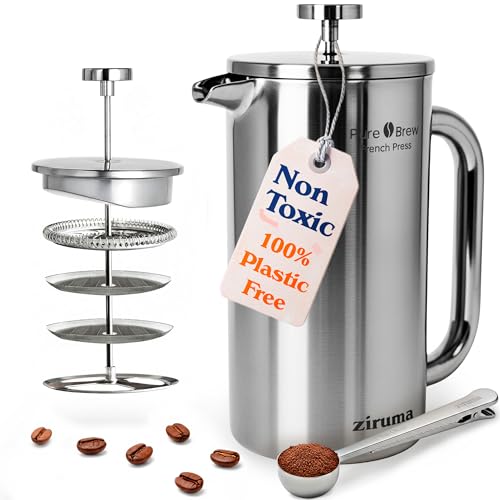
Ziruma Stainless Steel French Press 34 oz
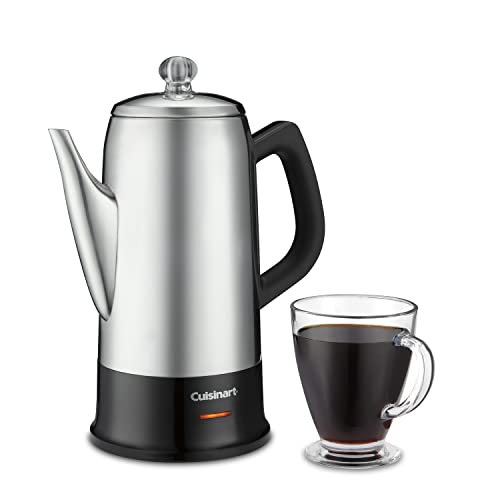
Cuisinart Classic 12 Cup Percolator PRC-12N

LAOION Stovetop Espresso Maker 6Cup 10 oz
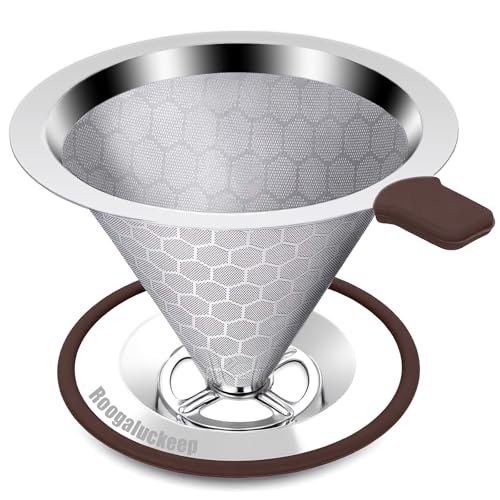
Roogaluckeep Reusable Stainless Steel Filter
GE Drip Coffee Maker With Timer 10-Cup Thermal Carafe

APOXCON Electric Coffee Percolator 12 Cup

WALDWERK French Press 34 oz Double Wall

WALDWERK Stainless Steel Moka Pot 10oz
No Coating 6 Cup Moka Pot Thickened 304 Stainless Steel
More Details On Our Top Picks
Single-cup brewing makes sense for mornings that move fast, and this Hamilton Beach keeps the setup simple with a 40-ounce removable reservoir. That size gives you enough water for several mugs before a refill, which helps in a shared kitchen or a home office corner.
The scoop-style approach also cuts down on extra parts, so cleanup stays straightforward after workdays or late starts. The trade-off is obvious, though, since you’re staying in the one-cup lane instead of getting a full pot.
Strong Points
- Brews single servings quickly for rushed mornings.
- Removable reservoir makes refilling less awkward.
- Simple layout keeps the routine easy to learn.
- Smaller footprint suits tight counters.
Things To Consider
- It’s built for one-cup use, not group brewing.
- The compact format leaves less room for larger mugs with awkward shapes.
Feature Snapshot
Who It Suits Best
Solo coffee drinkers and commuters who want a quick cup without extra clutter will get the most from this format.
Where A Sibling Pick Shines
GE Drip Coffee Maker With Timer 10-Cup Thermal Carafe suits households that want scheduled brewing for several cups at once.
A stainless steel French press gives you a direct route to full-bodied coffee without paper filters, and this one leans hard into that simple setup. The 34-ounce capacity works well for two generous mugs or for filling a smaller travel carafe before you head out.
The four-layer filter is the detail that matters most, because it helps hold back fine grounds while the double-wall body helps the brew stay warm longer. The honest read is that French presses still reward a steady pour and a little patience during cleanup, so this suits routine-oriented coffee drinkers more than rushed multitaskers.
What We Like
- Surgical-grade steel gives the body a clean, durable feel.
- Four-stage filtration helps reduce gritty sediment in the cup.
- Double-wall construction supports better heat retention.
- Measurement marks help you pour with less guesswork.
- Dishwasher-safe care suits busy kitchens.
Softer Spots
- French press cleanup still asks for attention after each brew.
- 34 ounces can feel large for a solo cup.
Core Details
Best Suited To
You’ll appreciate this most as a home brewer who wants a straightforward, travel-friendly press with a clean materials profile.
Another Choice May Suit
WALDWERK French Press 34 oz Double Wall makes more sense for you if an oak wood handle and a more premium feel matter.
Percolators lean into a bolder, hotter style of coffee, and a 12-cup stainless body makes this one a practical fit for family breakfasts or office break rooms. Compared with the Hamilton Beach single-serve pick, this Cuisinart is built for volume first, not fast solo cups.
That larger capacity helps when you want one pot to keep a table going, though the flavor style will feel stronger and a bit old-school to some tastes. Owners who like a classic percolator routine usually value that character, while anyone chasing delicate, filtered coffee may want a different format.
Highlights
- 12-cup capacity suits larger households and gatherings.
- Percolator style delivers a fuller, more assertive brew.
- Stainless housing fits a sturdier kitchen setup.
- Simple operation keeps the routine uncomplicated.
Points To Note
- The flavor profile will feel stronger than drip or pour-over coffee.
- Bulkier size needs more cabinet or counter space.
Quick Facts
Whose Shelf It Belongs On
This fits families, shared homes, and office kitchens that need a larger stainless coffee maker without fuss.
Look Elsewhere When
Roogaluckeep Reusable Stainless Steel Filter is a better match for pour-over drinkers who want a smaller, paper-free setup.
This moka pot sits in the sweet spot between compact size and rich stovetop coffee, which makes it appealing for apartments, road trips, or a smaller stovetop setup. It’s also listed as induction-compatible, so you’re not locked into one kind of burner.
The 6-cup format gives you a small-batch espresso-style brew, not a full urn, and that’s the point. The smaller chamber is easy to store, though you’ll want to clean it with care because compact metal brewers can be fiddly around the gasket area and threading.
Upsides
- Small footprint fits limited counter and cabinet space.
- Induction compatibility broadens stovetop use.
- Stainless steel construction suits a no-plastic preference.
- 6-cup size works well for modest servings.
Small Caveats
- Smaller output won’t suit larger household brew rounds.
- Moka pots reward careful assembly and cleaning.
- The stovetop routine asks for a little attention.
Details At A Glance
Made For
You’ll like this most as a stovetop coffee fan who wants a compact brewer for home, cabin, or travel use.
A Better Fit Elsewhere
WALDWERK Stainless Steel Moka Pot 10oz suits you better when you want a similar stovetop style with a wood-handle look.
A reusable stainless filter changes the feel of pour-over brewing more than people expect, because you keep the ritual while trimming paper waste and extra storage. In a small kitchen, that’s handy, since you only need one compact accessory instead of a stack of filters.
The 1 to 2 cup size makes it a better personal brewing tool than a crowd-pleaser. The practical trade-off is that pour-over cleaning happens after each cup, so this suits you best when you don’t mind rinsing a metal filter as part of the routine.
Bright Spots
- Reusable metal build cuts out paper filters.
- Small size stores easily in a drawer or mug cabinet.
- BPA-free, plastic-free design matches the category goal.
- Good fit for simple one-cup pour-over routines.
Areas To Watch
- Cleaning happens after each brew cycle.
- Small capacity limits it to personal servings.
Feature Card
Right Fit For
This suits pour-over drinkers who want a compact, low-waste tool for one or two cups at a time.
Skip It When
Hamilton Beach The Scoop Single Serve Coffee Maker 49987 makes more sense for you if you want a fully electric single-cup machine.
Family kitchens usually need a machine that can do a little of everything, and this GE drip maker leans into that job with a 10-cup thermal carafe and a 24-hour programmable timer. Compared with the Hamilton Beach single-serve unit, this one is built for planning ahead rather than making one cup on the spot.
The adjustable brew strength and wide shower head matter because they let you steer the cup toward milder or stronger coffee without changing the machine. A thermal carafe usually means you’re less dependent on a hot plate, which helps coffee sit better across a breakfast window, though it still takes more counter room than a compact brewer.
Reasons To Buy
- Programmable timer supports early-morning routines.
- 10-cup thermal carafe serves a crowd without glass fragility.
- Adjustable strength suits different taste preferences in one household.
- 1 to 4 cup setting helps smaller brew rounds.
Room For Improvement
- Larger size asks for more counter and storage space.
- More settings mean a slightly busier first setup.
Core Details
The Right Fit
This belongs in homes that want a stainless drip machine with scheduling, flexible strength, and enough volume for several mugs.
Where Another Pick Suits Better
Cuisinart Classic 12 Cup Percolator PRC-12N suits you more if you prefer a bolder, more old-school brew style.
Some kitchens still want a classic percolator feel, and this APOXCON fits that brief with a 12-cup capacity, a clear brew-progress knob, and a keep-warm function. The cordless serve setup makes table service easier, which helps during family breakfasts or holiday brunches.
The on/off switch keeps the machine simple to run, but the overall format still asks you to like percolator coffee in the first place. That’s the trade-off: bigger capacity and classic character in exchange for a brewing style that won’t suit every taste.
Best Bits
- 12-cup size works for larger serving rounds.
- Clear brew progress helps you follow the cycle.
- Cordless serving makes it easier to pour at the table.
- No aluminum build suits a metal-forward preference.
Honest Caveats
- Percolator flavor is a specific style, not a universal fit.
- Larger brewers need a bit more storage space.
Technical Sheet
Built With In Mind
This suits homes that like big pots of coffee and appreciate a familiar percolator routine.
Swap It Out When
GE Drip Coffee Maker With Timer 10-Cup Thermal Carafe fits better for you if you want programmable drip convenience instead of percolator character.
Compared with the Ziruma press, this WALDWERK model leans more into visual polish and handling comfort thanks to the oak wood handle. The 34-ounce size still gives you a generous batch, so it suits a calm morning routine or a second pot after lunch.
Double-wall steel helps with heat retention, which matters when you don’t want to rush through the cup. The wood handle adds a warmer touch in hand, though it also means you’ll want to treat the exterior with a little more care than a plain all-metal cylinder.
Standout Traits
- Double-wall body supports longer heat retention.
- Oak wood handle adds a more finished look and feel.
- 34-ounce size suits shared brewing or larger personal cups.
- Plastic-free build keeps the material profile simple.
Trade Offs
- The wood handle asks for gentler day-to-day care.
- Larger capacity can be more than a solo drinker needs.
Feature Rundown
Perfect Match For
This is a strong fit for home brewers who want a cleaner material profile with a more polished French press presentation.
Reach For A Different Pick When
Ziruma Stainless Steel French Press 34 oz is the simpler match for you if you want a plainer steel look and a more straightforward finish.
This WALDWERK moka pot sits close to the LAOION pick in use case, but the oak wood handle gives it a more finished feel on the stove. Its 10-ounce size keeps the batch compact, which is useful when you want a rich espresso-style cup without making too much.
Because it’s built for stovetop and induction use, it adapts well to modern kitchens. The honest catch is that moka pots reward attention at the stove, so this suits you best when you like a hands-on brew rather than a press-and-walk-away routine.
Best Bits
- 10-ounce size keeps servings compact and manageable.
- Oak wood handle improves grip and appearance.
- Works on stovetop and induction setups.
- Stainless steel construction aligns with no-plastic goals.
Worth Noting
- Moka brewing asks for attentive heat control.
- Smaller capacity won’t suit larger groups.
At A Glance
Who Should Grab It
You’re the best match for this if you want a small stovetop brewer with a polished look and flexible burner compatibility.
Consider Something Else When
No Coating 6 Cup Moka Pot Thickened 304 Stainless Steel suits you more if you want a larger 300 ml batch in a plainer format.
Thickened 304 stainless steel gives this moka pot a more substantial feel than a thin-walled stovetop brewer, and that matters when you want steady heat on the stove. The 6-cup, 300 ml size lands in the same general space as the LAOION moka pot, though this one emphasizes a plain, no-coating build.
That stripped-back approach will appeal to people who want the brew path as direct as possible. The trade-off is the same one common to moka pots in general, since you still need to mind fill level, heat, and cleanup after each round.
Strong Points
- 304 stainless steel gives the pot a sturdy material profile.
- No-coating build keeps the surface straightforward.
- 300 ml size suits a compact espresso-style serving.
- Classic moka format works well for stovetop routines.
Areas To Watch
- Moka pots need careful heat management.
- Smaller batch size is better for personal use than groups.
- Cleaning after brewing is part of the routine.
Feature Rundown
Who It Belongs On
This fits espresso-style coffee fans who want a plain stainless moka pot for small daily batches.
Where Shoppers Go Wrong
WALDWERK Stainless Steel Moka Pot 10oz suits you better if you want the same stovetop style with a wood handle and burner flexibility.
How To Choose The Right All Stainless Steel Coffee Maker No Plastic
Match The Brewer To Your Routine
Your first choice is format, not finish. A single-serve machine suits rushed mornings, a French press fits calm home brewing, and a moka pot or percolator works when you want a stronger stovetop cup.
Capacity matters just as much. A 34-ounce press or 12-cup machine makes sense for shared kitchens, while a 6-cup moka pot or pour-over filter fits a one-person setup with less storage demand.
Check The Brew Path And Materials
“All stainless steel” sounds simple, but the real question is whether the brew path stays metal from water contact through the final pour. Look for steel bodies, steel filters, and lids or handles that match your comfort level with mixed materials.
There’s a trade-off with every design. All-metal parts can feel sturdier, but they often come with more heat transfer, more weight, or more assembly steps, especially in moka pots and French presses.
Think About Cleanup And Daily Handling
French presses and reusable filters bring down waste, but they also ask for a rinse after each use. Electric drip makers usually reduce hands-on work, while stovetop brewers reward people who don’t mind a more manual routine.
Handle shape, lid fit, and carafe style matter in real kitchens. A wood handle can feel nicer in the hand, yet a plain steel body may be easier to wipe down after repeated use.
Choose For Heat Style, Not Just Looks
Thermal carafes help brewed coffee stay warm without a hot plate, while double-wall presses slow heat loss in a more compact form. Stovetop espresso makers, on the other hand, lean into pressure-driven extraction and a bolder cup.
That means the right pick depends on the cup you want, not just the material. A sleek steel body is only useful when the brew style matches how you actually drink coffee.
What To Weigh Before You Click
Mistakes Worth Dodging
One common slip is chasing the no-plastic label without checking the brew path, because some products use mixed parts where it matters most. Another is picking a capacity that fits the photo but not your daily routine.
Storage is easy to ignore until the box arrives. A wide 12-cup brewer, for example, can crowd a cabinet that would comfortably hold a moka pot or compact filter insert.
The Upgrade Payoff
Higher-tier models usually spend more on insulation, fit, handle materials, and finish quality. That shows up in daily use as better heat retention, smoother pouring, or a sturdier feel at the stove.
The upgrade makes sense when coffee is part of your routine, not an occasional weekend habit. A more polished press or a better thermal carafe can save you small annoyances every day, and those little frictions add up fast.
Frequently Asked Questions
What does “all stainless steel” mean in this category?
It usually means the main brew body, filter parts, or carafe components rely on stainless steel instead of plastic. You still need to check the listing for handles, knobs, or seals because those parts may use other materials.
Which type works best for one person?
A single-serve brewer, a 1 to 2 cup pour-over filter, or a 6-cup moka pot usually fits solo use well. The best choice depends on whether you want electric convenience or a manual brew.
Is a French press a good fit for daily use?
A French press works well when you like a fuller-bodied cup and don’t mind a rinse after brewing. Double-wall models help keep the coffee warm a bit longer during a slow morning.
Do stovetop moka pots need a special setup?
They need a compatible heat source and a little attention during brewing. Induction-compatible versions help a lot in modern kitchens that skip gas or coil burners.
What matters more, capacity or heat retention?
Capacity matters more for serving size, while heat retention matters more for how long the coffee stays enjoyable after brewing. In a shared kitchen, both matter, but the right balance depends on how quickly you finish a pot.
Closing Thoughts
Your best match here depends on how you drink coffee, not just how you want it to look on the counter. A stainless single-serve machine suits fast mornings, a French press suits slower cups, and a moka pot or percolator suits people who like a stronger stovetop ritual. Once you line up capacity, cleanup, and heat handling with your routine, the right choice gets much easier. Keep the focus on daily use, and you’ll land on a brewer that feels natural from the first cup.
