

Choosing African coffees gets easier once you know what kind of cup you want, not just what region sounds familiar. Some of these picks lean bright and floral, others go darker and heavier, and a few are built for everyday convenience instead of ritual. That range matters whether you brew slowly at home, fill a moka pot before work, or want a cleaner route to a dependable morning cup.
The list below focuses on whole beans, ground coffee, green beans for home roasting, pods, and instant coffee, so you can match the format to your routine. You’ll also see where each option sits on body, acidity, and ease of use, because those details shape the cup far more than the country name alone.
The Shortlist At A Glance

Good As Gold Tanzania Peaberry 12oz Whole Bean

Amazon Fresh Rwanda Whole Bean 12 Ounce

Smokin Beans Ethiopia Yirgacheffe Green Beans 5 lb
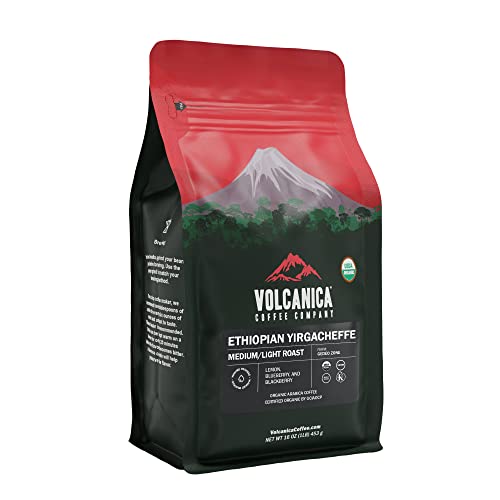
Volcanica Ethiopian Yirgacheffe Ground 16-ounce

Volcanica Tanzania Peaberry Ground 16-ounce

Delta Cafés Angola Ground Coffee 7.76oz

Kahawa 1893 Serengeti Blend K-Cup Pods 20 Count
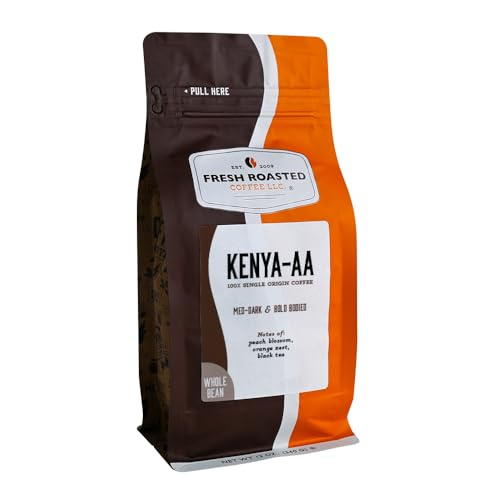
Fresh Roasted Coffee Kenya AA Whole Bean 12 oz

Africafe Instant Coffee Large Tin 250 Grams
More Details On Our Top Picks
Tanzania peaberry coffee tends to suit you when you want a clear, lively cup without wandering into harsh edges. The whole bean format keeps the door open for drip, French press, or a burr grinder setup at home, and that flexibility is the real draw here.
Compared with the lighter, convenience-first Amazon Fresh Rwanda pick, this one feels more like a weekend routine bean. The honest read is that whole beans ask for a little more effort, but you get more control over grind size and freshness.
Strong Points
- Whole beans give you grind control for different brew methods.
- Peaberry beans often appeal to you when you like a tighter, brighter cup profile.
- The 12-ounce bag suits households that finish coffee at a steady pace.
- Good fit for home storage since whole beans usually keep their character longer than pre-ground coffee.
Things To Consider
- You need a grinder, so this is less convenient than pods or instant coffee.
- Whole beans can take a little more counter space in a compact kitchen.
- Flavor details depend on your brew method, which adds some trial and error.
Feature Snapshot
Who It Suits Best
Home brewers who already own a grinder and want a more hands-on cup will get the most from this bag.
A Better Fit Elsewhere
Amazon Fresh Rwanda Whole Bean Coffee suits you better when you want a lighter roast with a simpler, lower-commitment weekday routine.
This Rwanda light roast fits a person who wants African coffee character without a heavy learning curve. Whole beans keep it versatile, and the lighter roast style usually gives you a cleaner, brighter cup that works well in pour-over or drip setups.
Compared with Good As Gold Tanzania Peaberry, this is the simpler everyday route, especially for someone who shops through a familiar store brand. You may find the lighter body less dramatic than darker coffees, but that gentler profile helps early-morning cups stay easy.
What We Like
- Whole-bean format gives you control over grind freshness.
- Light roast styling often suits you when you prefer a brighter, less heavy mug.
- Easy to slot into a standard home coffee routine.
- Good match for drinkers who want a familiar, straightforward bag.
Small Caveats
- Light roasts can feel sharper than darker African blends.
- You still need a grinder, so setup takes a little more effort.
- Flavor complexity may feel subtle if you usually prefer heavier roasts.
Details At A Glance
Made For
Daily coffee drinkers who want a gentle Rwanda profile and an uncomplicated bean bag will feel at home with this one.
Swap It Out When
Volcanica Ethiopian Yirgacheffe Ground 16-ounce makes more sense for you when you want a ground coffee that skips grinder setup entirely.
Green coffee beans are for the person who wants control all the way through the roasting process. This Ethiopia Yirgacheffe lot gives you the raw material, not a finished cup, so your own roast style shapes the final flavor.
That makes it very different from the ready-to-brew coffees above, and that difference is the point. The five-pound quantity suits dedicated home roasters, though it also means you need room for storage and a plan for using the beans at a steady pace.
Reasons To Buy
- Green beans let you choose roast level from light to darker development.
- The Yirgacheffe origin is often sought by people who like floral, fruity coffee character.
- A 5-pound bag supports repeated roasting sessions.
- Good for learning roast curves at home because you start with unroasted beans.
- You can tailor the cup more closely to your own taste.
Worth Noting
- You need roasting gear and experience, so this is not a grab-and-brew option.
- Storage matters more here, since green beans need a clean, dry place.
- The learning curve is real for anyone new to home roasting.
Core Details
Who Should Grab It
Experienced home roasters and curious hobbyists who enjoy shaping flavor from the start will get the most from this bag.
Another Choice May Suit
Fresh Roasted Coffee Kenya AA Whole Bean works better for you when you want a finished bean with strong origin character and no roasting setup.
Ground Yirgacheffe makes sense for you when flavor matters more than grinder ownership. This bag is built for fast morning brewing, and the Ethiopian origin usually brings the kind of lively cup that works well in a drip machine or pour-over cone.
Compared with the green beans above, the trade-off is obvious, you give up roast control in exchange for easy use. That’s a fair bargain for most home kitchens, especially the ones that want a distinctive African cup without extra gear on the counter.
Highlights
- Ground format skips the need for a grinder.
- Yirgacheffe origin is often a good fit for bright, aromatic coffee drinkers.
- Better for quick weekday brewing than more hands-on formats.
- 16-ounce size suits home use without taking over pantry space.
Areas To Watch
- Pre-ground coffee gives you less control over grind size.
- Flavor can fade sooner after opening than with whole beans.
- You’ll want a good sealed container for storage.
Quick Facts
Best Suited To
You’ll like this most if you want a straightforward ground coffee with a strong Ethiopian identity and no extra prep.
Where A Sibling Pick Shines
Good As Gold Tanzania Peaberry 12oz Whole Bean makes more sense for you when you’d rather grind fresh and keep your brewing options open.
This is the easier sibling to the Good As Gold Tanzania bean, because the coffee arrives already ground. That makes it useful for mornings that need speed, especially in drip brewers or other standard home setups where you want a cleaner path from bag to cup.
The Mount Kilimanjaro origin gives it a stronger story than plain generic blends, and the ground format helps you stay consistent from one brew to the next. The catch is the usual one, pre-ground coffee gives up some freshness control, so sealing and storage matter.
Upsides
- Ground coffee makes brewing quicker and simpler.
- Tanzania peaberry origin can appeal to you when you want a distinct African cup.
- Good match for households that brew the same way each day.
- Less equipment required than whole-bean choices.
Points To Note
- You cannot adjust grind size yourself.
- Ground coffee is usually more sensitive to air exposure once opened.
- Airtight storage helps protect the bag’s flavor character.
At A Glance
Right Fit For
Busy households that want a Tanzania peaberry cup without grinding gear will get the most value from this bag.
Look Elsewhere When
Fresh Roasted Coffee Kenya AA Whole Bean is the better route for you when you want whole beans and a bit more flavor-control flexibility.
Delta Cafés Angola is the espresso-minded pick in this group, and that makes it stand apart from the lighter whole-bean coffees above. The ground format helps you move fast, while the flavor notes point toward a cup with more body, a fuller mouthfeel, and enough character to stand up in a moka pot.
You’ll probably like it most in homes that brew small, concentrated cups and want something with a little depth behind the crema. The vanilla and burnt sugar notes suggest a softer sweetness underneath the strength, though the compact 7.76-ounce size means you may go through it quickly.
Best Bits
- Ground format works well for espresso machines and moka pots.
- The blend leans full-bodied, which suits richer cups.
- Angola-inspired profile gives you something different from the brighter East African coffees here.
- Small package size fits a limited pantry.
Minor Gripes
- Ground coffee leaves no room for grind adjustments.
- The smaller bag may suit shorter use cycles more than stock-up shoppers.
- Espresso-style brewing can magnify extraction mistakes, so consistency matters.
Technical Sheet
Who Will Love This
Espresso and moka pot users who want a ground African-style blend with a fuller cup will feel right at home here.
Skip It When
Volcanica Ethiopian Yirgacheffe Ground 16-ounce makes more sense for you if you want a larger bag and a brighter, more floral profile.
Pod coffee is for moments when speed matters more than ritual, and this Serengeti Blend leans into that convenience. The dark roast profile brings a smoother, heavier cup that works well straight or with milk, so it fits shared kitchens and quick office routines without extra setup.
Compared with Delta Cafés Angola Ground Coffee, this one removes the need for espresso gear or measuring. The trade-off is less control over brewing, but that is often the point with pods, especially for travel bags, shared spaces, or a machine that stays on the counter all week.
Positives
- Single-serve pods keep brewing simple.
- Dark roast style suits you when you like a bolder cup.
- Works well in busy homes where different people want coffee fast.
- Good option for office setups and travel-friendly routines.
Honest Caveats
- Pods lock you into a specific machine format.
- You get less control than with beans or ground coffee.
- Used pods create more countertop waste than a bag of beans.
Feature Rundown
The Right Fit
People who want fast African-style coffee without a grinder, scale, or extra cleanup will get the most from these pods.
Reach For A Different Pick When
Africafe Instant Coffee Large Tin fits better when you want the fastest possible cup and you do not want a pod machine at all.
Kenya AA often draws people who like a coffee with more structure and clarity, and this whole-bean bag gives you room to shape that profile at home. Med-dark roast sits in the middle ground, so you can get some of the brightness associated with East African coffee without going all the way into a sharp light roast.
It feels like the most serious grinder-driven pick in the list, especially beside the easier ground options and pods. You’ll want to pair it with a decent grinder and a brew method that rewards detail, because the cup tends to show more of what your setup can do.
Standout Traits
- Whole beans let you tune grind size for your brewer.
- Kenya AA is a familiar signal for coffee drinkers who like distinct origin character.
- Med-dark roast can feel more rounded than very light roasts.
- Good match for home brewing gear that handles precision well.
- 12-ounce bag keeps the commitment modest.
Room For Improvement
- You need a grinder to get the best from it.
- Med-dark roast may feel less bright than a lighter Kenyan cup.
- Whole beans ask for a little more daily effort.
Feature Snapshot
Built With In Mind
Home brewers who care about grind quality and like a more expressive East African cup will get the most from this bag.
Another Choice May Suit
Good As Gold Tanzania Peaberry 12oz Whole Bean is the easier step if you want a similarly hands-on bag with a slightly different origin profile.
Instant coffee earns its place when you want a cup with almost no friction. This large tin is the most straightforward option in the list, and it suits office desks, travel kits, and kitchens where speed matters more than brewing ritual.
Compared with the pod-based Kahawa 1893, it skips the machine entirely, which makes it even simpler. That simplicity comes with a trade-off in cup nuance, though for many people the payoff is consistency and convenience in a compact tin.
Best Bits
- Instant format gives you the fastest brewing path here.
- Large tin packaging is practical for repeat use.
- Good for desks, travel bags, and backup coffee storage.
- No grinder, pods, or brewer-specific equipment needed.
Softer Spots
- Instant coffee usually gives you less origin detail than whole beans.
- You may miss the texture and aroma depth of fresh brewing.
- Tin storage works best in a dry cabinet after opening.
Core Details
Whose Shelf It Belongs On
You’ll appreciate this most if you want African coffee convenience for travel, work, or quick daily cups.
Swap It Out When
Kahawa 1893 Serengeti Blend K-Cup Pods 20 Count makes more sense for you when you want single-serve convenience with a pod machine already in place.
How To Choose The Right African Coffees
Start With Roast And Body
Roast level shapes your first impression faster than origin name alone. Light roasts like the Amazon Fresh Rwanda tend to feel brighter and more delicate, while dark roasts such as Kahawa 1893 Serengeti Blend lean fuller and smoother. Medium-dark choices sit between those poles, which helps you keep some origin character without pushing bitterness too hard.
Body matters just as much. A heavier cup works well in moka pots, espresso machines, and milk drinks, while lighter bodies usually feel cleaner in pour-over and drip brewing. That’s the simplest way to avoid guessing at a bag and hoping it lands in your lane.
Match The Format To Your Routine
Whole beans suit you when grind control matters and storage space is available. Ground coffee saves time and works well for the person who already knows the brewer and just wants the bag to cooperate.
Pods and instant coffee move even faster, though they trade away a lot of brewing flexibility. Green beans are the outlier, since they ask for roasting equipment and a willingness to shape the cup yourself. The right format is usually the one you can keep using on a busy week without resenting the setup.
Pay Attention To Origin Style
East African coffees often lean toward floral, fruity, citrus, or tea-like notes, especially from Ethiopia, Kenya, Rwanda, and Tanzania. Angola-inspired blends can move heavier and more chocolate-leaning, which may suit you better if you prefer darker structure over brightness.
That regional clue is useful, but not absolute. Roast level, processing method, and whether the coffee arrives whole, ground, or unroasted all shape the final cup. Think of origin as the map, not the whole journey.
Think About Storage And Freshness
Whole beans usually keep their character longer than pre-ground coffee, so they make sense when you brew in smaller batches. Ground coffee and instant coffee are easier to live with, but they reward careful sealing and dry storage after opening.
For larger bags, especially the five-pound green coffee, storage becomes part of the purchase. You want a clean, dry cabinet and a plan for use so the coffee stays practical instead of becoming a pantry burden.
What To Weigh Before You Decide
Wrong Turns To Avoid
Many people grab a roast based only on country name and miss the bigger question of brew method. A bright Ethiopian bag can feel thin in the wrong setup, while a heavy espresso blend may overpower a light drip habit.
Another common miss is ignoring format. Whole beans sound appealing, but a grinder changes the whole equation. Pods, instant coffee, and ground coffee each solve a different problem, so the easiest option is often the smartest one.
Where The Extra Money Goes
Higher-tier coffees usually cost more because of origin sourcing, processing, roasting care, and packaging that protects freshness. Green beans for home roasting also put more control in your hands, which adds value only when you actually want that level of control.
That upgrade makes sense for you when cup detail matters and the coffee is part of a daily habit rather than a casual backup. For occasional use, a simpler ground coffee or instant tin may be the better spend, because there’s less waste and less fuss.
Frequently Asked Questions
What makes African coffees taste different from many other coffees?
Many African coffees lean toward brighter acidity, floral aromas, fruit notes, or tea-like clarity. You also get darker, heavier styles from some regions, so the continent is broad rather than one-note.
Should you choose whole beans or ground coffee?
Whole beans give you more control and usually suit you better when freshness matters. Ground coffee is easier for daily use and works well when you want less prep.
Are Ethiopian coffees always floral and fruity?
They often lean that way, especially from Yirgacheffe, but roast level and processing change the result. A darker roast can feel rounder and less bright than a lighter Ethiopian cup.
Do pods taste as rich as beans?
Pods are built for convenience first, so they usually give you less control than whole beans. They can still produce a satisfying cup, especially for busy kitchens and office setups.
Is home roasting worth the effort?
Home roasting makes sense when you enjoy control and want to shape the coffee from the beginning. It’s a bigger commitment, so it suits hobbyists more than casual morning routines.
Closing Thoughts
The right African coffee depends on how you brew, how much control you want, and how much time you want to spend getting there. Whole beans reward a little attention, ground coffee keeps mornings moving, pods simplify shared spaces, and instant coffee covers the fastest route of all. Once you match the format to your routine, the regional character becomes easier to enjoy. That’s usually where the good cup starts.
