

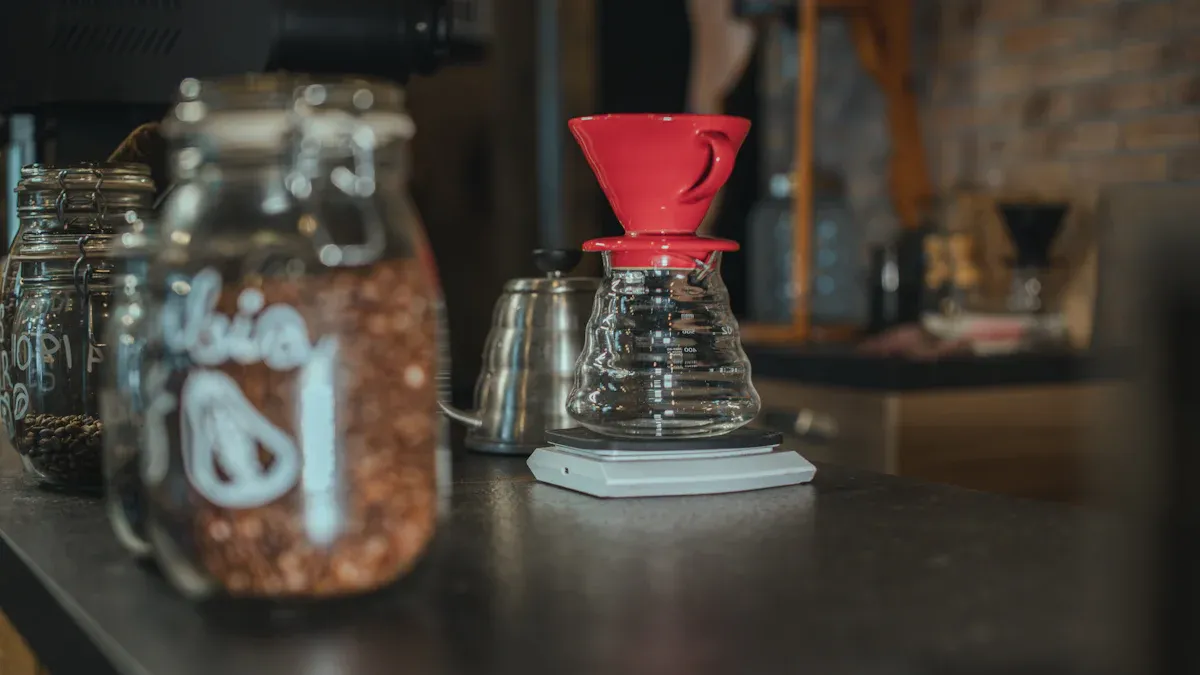
When you’re diving into the world of cold brew coffee, having the right gear can make all the difference. Quality equipment not only enhances extraction but also prevents undesirable flavors. If you use poor gear, you might end up with flat or unpleasant coffee, no matter how great your beans are. Remember, up to 53% of coffee drinkers prioritize taste, so investing in good tools for your homemade cold brew is essential for a satisfying cup. In short, choosing the right gear is crucial for the best brewing experience.
Key Takeaways
Investing in quality cold brew gear enhances flavor and prevents undesirable tastes.
Use medium-coarse ground coffee to optimize flavor extraction and avoid bitterness.
Choose the right steeping jar, like a wide-mouth mason jar, for easier brewing and cleaning.
Select filters wisely; paper filters provide clarity, while metal filters enhance richness.
Proper storage in airtight containers keeps your cold brew fresh and flavorful longer.
Cold Brew Coffee Gear Overview
Importance of Quality Gear
When you decide to make cold brew coffee, the gear you choose plays a crucial role in the final product. High-quality equipment ensures that you extract the best flavors from your coffee grounds. If you skimp on gear, you might end up with a drink that lacks the smooth flavor and delicious taste you crave. Think about it: using a subpar brewer can lead to over-extraction or under-extraction, both of which can ruin your cold brew experience.
Investing in quality gear not only enhances the brewing process but also makes it easier for you to achieve consistent results. Whether you’re a beginner or an experienced brewer, having the right tools can elevate your cold brew game. Remember, the goal is to create a refreshing drink that you can enjoy any time of day, and quality gear is your best ally in achieving that.
Basic Gear Requirements
To get started with making cold brew, you’ll need a few essential items. Here’s a quick list of what you should have on hand:
Cold brew coffee maker: This is your primary tool for brewing. It can be a dedicated cold brew system or a simple jar with a filter.
Medium to coarse ground coffee: The grind size is important. A medium-coarse grind helps prevent bitterness and ensures a smooth flavor.
Ribbed glasses with lid & straw: These are perfect for serving your cold brew. They keep your drink fresh and make it easy to sip.
Creamer: If you like your cold brew with a little extra richness, having a good creamer on hand is a must.
Milk frother: This can add a fun twist to your drink, allowing you to create frothy toppings.
Here’s a step-by-step guide to help you make cold brew:
Assemble the cold brew maker.
Add coffee grounds to the filter.
Pour water over the grounds.
Steep for 12 – 24 hours.
Serve over ice.
Add creamer to taste.
As you gather your gear, keep in mind that beginners often prefer compact and easy-to-use options. Advanced brewers might invest in more sophisticated equipment that allows for higher volume production and better consistency. Regardless of your level, having the right tools will help you create a delicious cold brew concentrate that you can enjoy throughout the week.
Tip: Always choose high-quality coffee beans. Low-acid roasts, especially medium or dark roasts, tend to yield the best flavor in cold brew.
By ensuring you have the right gear, you set yourself up for success in brewing cold brew coffee that’s not only refreshing but also packed with flavor.
Steeping Jars for Cold Brew
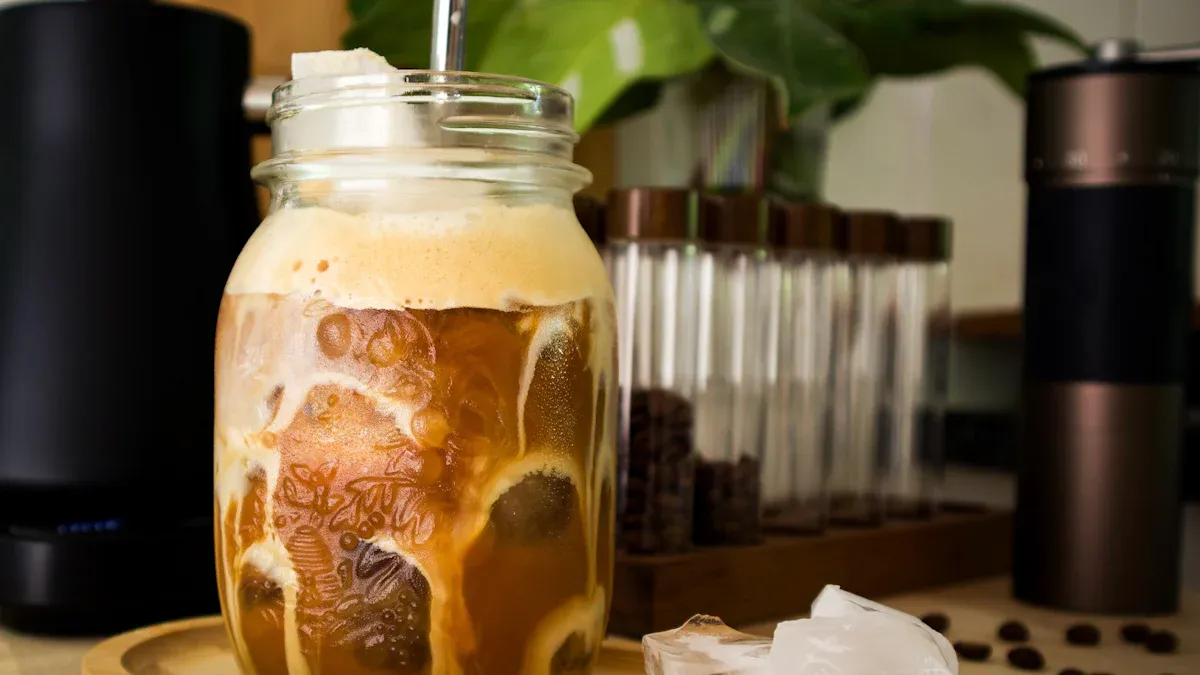
When it comes to steeping your cold brew, the type of jar you choose can really impact the flavor and ease of the process. Let’s dive into the benefits of using mason jars compared to other options.
Mason Jars vs. Other Options
Mason jars are a popular choice for many home brewers. They’re simple, affordable, and easy to find. However, they do have some downsides. Here’s a quick comparison:
Advantages of Mason Jars | Disadvantages of Mason Jars |
|---|---|
Simple and easy to use | May yield a muddied flavor profile compared to other methods |
Sustainable and affordable | Requires manual straining of coffee grounds |
Minimal investment in equipment | Less convenient than some specialized steeping devices |
While mason jars are great, you might also consider other steeping options. Some specialized cold brew makers come with built-in filters, making the process even easier. These devices often provide a cleaner flavor profile, as they minimize the risk of over-extraction.
Recommended Jar Types
If you decide to go with mason jars, look for ones that hold at least 32 ounces. This size allows you to brew a good amount of coffee at once. You can also explore glass pitchers or dedicated cold brew systems. These options often come with features that enhance the brewing experience.
Here are a few recommendations:
Wide-Mouth Mason Jars: These make it easier to add coffee grounds and clean the jar afterward.
Glass Pitchers: They often have built-in filters and spouts for easy pouring.
Cold Brew Coffee Makers: These specialized devices simplify the process and help you achieve a consistent flavor.
No matter which jar you choose, make sure it’s made of glass. Glass doesn’t retain flavors like plastic can, ensuring your coffee tastes fresh every time.
With the right steeping jar, you’ll be well on your way to brewing delicious cold brew coffee at home!
Filters for Brewing Cold Brew
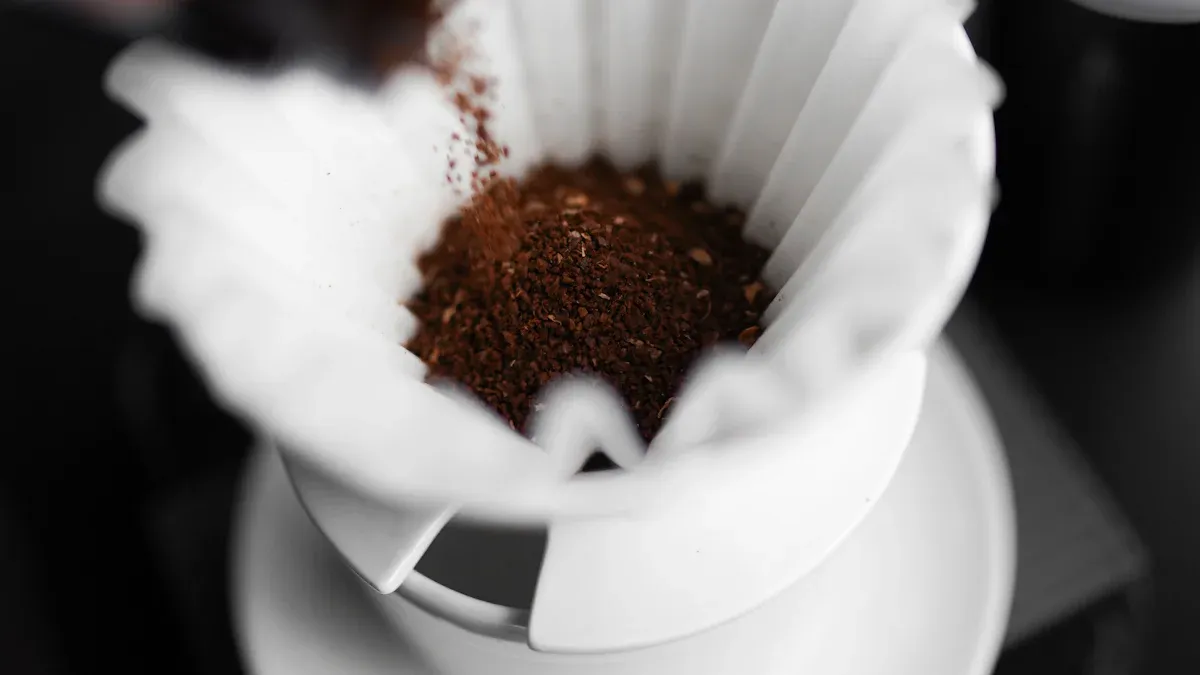
When it comes to brewing cold brew coffee, the filter you choose can significantly affect the final taste and clarity of your drink. Let’s explore the different types of filters available and how to use them effectively.
Types of Filters
You have several options when it comes to filters for cold brew. Each type offers unique benefits that can enhance your brewing experience. Here’s a quick comparison of the most common filter types:
Filter Type | Flavor Clarity | Sediment Removal |
|---|---|---|
Paper | Clean cup, but may lack depth due to absorption | Filters out most oils and micro-grounds, resulting in sediment-free coffee |
Metal | Richer flavor due to oils and micro-grounds | Allows some sediment to pass, creating a thicker mouthfeel |
Cloth | Clean and aromatic, retains some oils | Catches all grounds, including micro-grounds, resulting in a sediment-free cup |
Paper filters are great for a clean cup, but they can absorb some of the coffee’s oils, which might affect the depth of flavor. Metal filters allow more oils to pass through, giving your cold brew a richer taste, but they may leave some sediment. Cloth filters strike a balance, providing a clean cup while retaining some of the desirable oils.
Using Filters Effectively
To achieve the best results with your cold brew, follow these best practices for using filters:
Use a strainer lined with cheesecloth to effectively catch coffee grounds, ensuring a clear cold brew.
If any small coffee grounds pass through, repeat the straining process to achieve clarity.
By using these methods, you can ensure that your cold brew concentrate is smooth and free of unwanted grit.
Maintaining your filters is also crucial for quality. Here are some tips to keep in mind:
Replace disposable filters every 3–4 cups.
Clean reusable filters after every use.
Deep-clean reusable filters monthly.
By following these guidelines, you can maintain the quality of your cold brew and enjoy a consistently delicious cup every time.
With the right filter and proper techniques, you’ll be well on your way to brewing cold brew coffee that’s not only refreshing but also packed with flavor.
Additional Accessories for Making Cold Brew
When you make cold brew coffee, having the right accessories can elevate your brewing experience. Let’s explore some essential tools that can enhance convenience and enjoyment.
Coffee Grinders
A good coffee grinder is crucial for achieving the perfect grind size. Freshly ground coffee beans make a significant difference in flavor. You want to aim for a medium-coarse grind for cold brew. If your grind is too fine, you risk over-extraction, leading to bitter and sludgy coffee. On the other hand, a grind that’s too coarse can result in weak and watery coffee. Here’s a quick look at how grind size impacts your brew:
Too fine a grind leads to over-extraction.
Too coarse a grind results in under-extraction.
Fine particles absorb water faster, while coarse particles extract slowly.
Investing in a quality grinder ensures you get the freshest flavor from your coffee beans every time you brew.
Storage Solutions
Once you’ve brewed your delicious cold brew, proper storage is key to maintaining its freshness. To keep your coffee tasting great, minimize exposure to air and light. The two main enemies of coffee freshness are oxygen and light. Consider using resealable bags with one-way valves or dedicated containers like the Fellow Atmos, which removes oxygen and protects against light. This way, your cold brew stays fresh and ready to drink for longer.
Serving Tools
Presentation matters, especially when serving cold brew coffee. Using the right serving tools can enhance the overall experience. Here are some recommended features to look for:
Feature | Description |
|---|---|
All-in-one functionality | Combines brewing and serving in one system, ideal for both cafes and home use. |
Easy and sanitary | Designed to provide a mess-free experience while preparing cold brew coffee. |
Professional setup | Suitable for commercial foodservice environments, enhancing coffee offerings in cafes and events. |
With the right serving tools, you can impress your guests and enjoy your cold brew even more.
By incorporating these accessories into your cold brew routine, you’ll not only make the brewing process easier but also enhance the flavor and presentation of your drink.
In summary, investing in the right cold brew coffee gear can greatly enhance your brewing experience. Here are some key takeaways to consider:
Cold brew coffee is beginner-friendly, requiring no precise measurements or specialized equipment.
The grind size matters; coarsely ground coffee helps prevent bitterness and optimizes flavor extraction.
Choosing the right coffee beans, especially dark roasts, can significantly influence your drink’s taste.
With quality gear, you’ll achieve consistent results and enjoy a smoother, sweeter cup of cold brew. So, whether you’re just starting or looking to refine your technique, make sure you have the right tools that suit your brewing style. Happy brewing! ☕
FAQ
What grind size should I use for cold brew coffee?
For cold brew, aim for a medium-coarse grind. This size helps prevent bitterness and ensures smooth flavor extraction. A grind that’s too fine can lead to over-extraction, while too coarse may result in weak coffee.
How long should I steep my cold brew?
Steep your cold brew for 12 to 24 hours. The longer you steep, the stronger the flavor. Experiment to find your perfect balance, but avoid steeping for too long to prevent bitterness.
Can I use regular coffee beans for cold brew?
Absolutely! You can use any coffee beans you like. However, low-acid roasts, especially medium or dark roasts, tend to yield the best flavor in cold brew. Choose beans that you enjoy drinking.
How do I store my cold brew concentrate?
Store your cold brew concentrate in an airtight container in the fridge. Use resealable bags with one-way valves or dedicated containers to minimize exposure to air and light, keeping it fresh longer.
Can I sweeten my cold brew?
Yes, you can sweeten your cold brew! Add sugar, simple syrup, or flavored syrups to taste. You can also try adding milk or cream for a richer flavor. Enjoy experimenting with different sweeteners!
