
Precision plays a crucial role in coffee brewing. It directly influences flavor and consistency in every cup you brew. When you measure coffee grounds and water accurately, you unlock the potential for rich flavors and aromas. For instance, flavoromic analysis shows that high-quality coffee relies on precise chemical drivers. Additionally, using tools like coffee scales and timers enhances your brewing process.
Coffee scales ensure the right coffee-to-water ratio.
Timers help you control brewing time for optimal extraction.
With these tools, you can eliminate guesswork and enjoy consistently delicious coffee.
Key Takeaways
Precision in coffee brewing enhances flavor and consistency. Accurate measurements lead to better tasting coffee.
Using coffee scales ensures the right coffee-to-water ratio. This ratio is crucial for achieving the best flavor in every cup.
Timers help control brewing time, preventing over- or under-extraction. This control is essential for optimal flavor and aroma.
Combining scales and timers streamlines the brewing process. This combination allows for experimentation and consistent results.
Invest in a quality coffee scale with a built-in timer. This tool simplifies brewing and improves your overall coffee experience.
Coffee Scales
Accurate Measurements
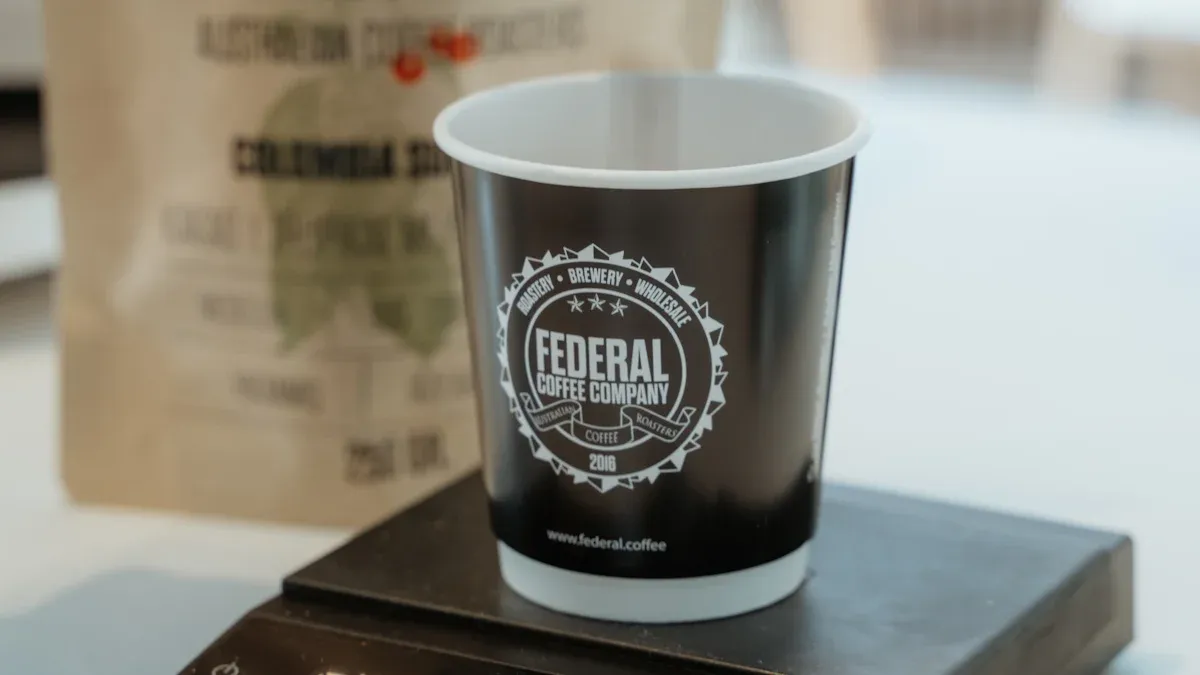
Accurate measurements are vital in coffee brewing. When you use coffee scales, you ensure that you measure the right amount of coffee grounds and water. This precision allows you to maintain a consistent coffee-to-water ratio, which is essential for achieving the best flavor. Scientific studies show that precise measurements significantly enhance flavor profiles and ensure consistency. For example, using scales helps you:
Maintain precise measurements throughout the brewing process.
Eliminate guesswork to replicate your favorite cup with precision.
Master various brewing methods by providing a foundation for experimentation.
By measuring in grams, you can achieve a high degree of accuracy that volume measurements simply cannot provide. This accuracy allows you to fine-tune your brew ratios, uncovering unique flavor profiles of different coffee beans.
Enhancing Flavor
Coffee scales play a crucial role in enhancing the flavor of your brew. The right coffee-to-water ratio can make all the difference. For instance, if you use too much water, your coffee may taste weak and under-extracted. Conversely, using too little water can lead to bitterness. Here’s how accurate measurements impact flavor:
Measuring by weight ensures a consistent coffee-to-water ratio, essential for repeatable flavor and proper extraction.
Adjusting grind size, ratio, or brew time can help balance extraction if the taste is off.
To illustrate, consider the relationship between Total Dissolved Solids (TDS) and Extraction Yield (EY). A balanced range for EY is 18% to 22%. If your measurements are off, you might end up with a sour or overly bitter cup.
Metric | Description |
|---|---|
TDS (Total Dissolved Solids) | Measures the concentration of dissolved coffee solids in the brew. Higher TDS indicates a stronger brew, while lower TDS results in a lighter cup. |
EY (Extraction Yield) | Indicates how much of the coffee’s soluble material is extracted. A balanced range is 18% to 22%, with low EY leading to sour flavors and high EY resulting in bitterness. |
Professional baristas emphasize that precision in brewing is crucial. They often state that a dedicated coffee scale is the most critical gear for consistency. By ensuring the correct coffee-to-water ratio, coffee scales enhance the overall flavor and consistency of the brew. This allows you to unlock the full flavor potential of your beans, transforming your coffee-making process into a precise art.
Coffee Timers
Timing and Extraction
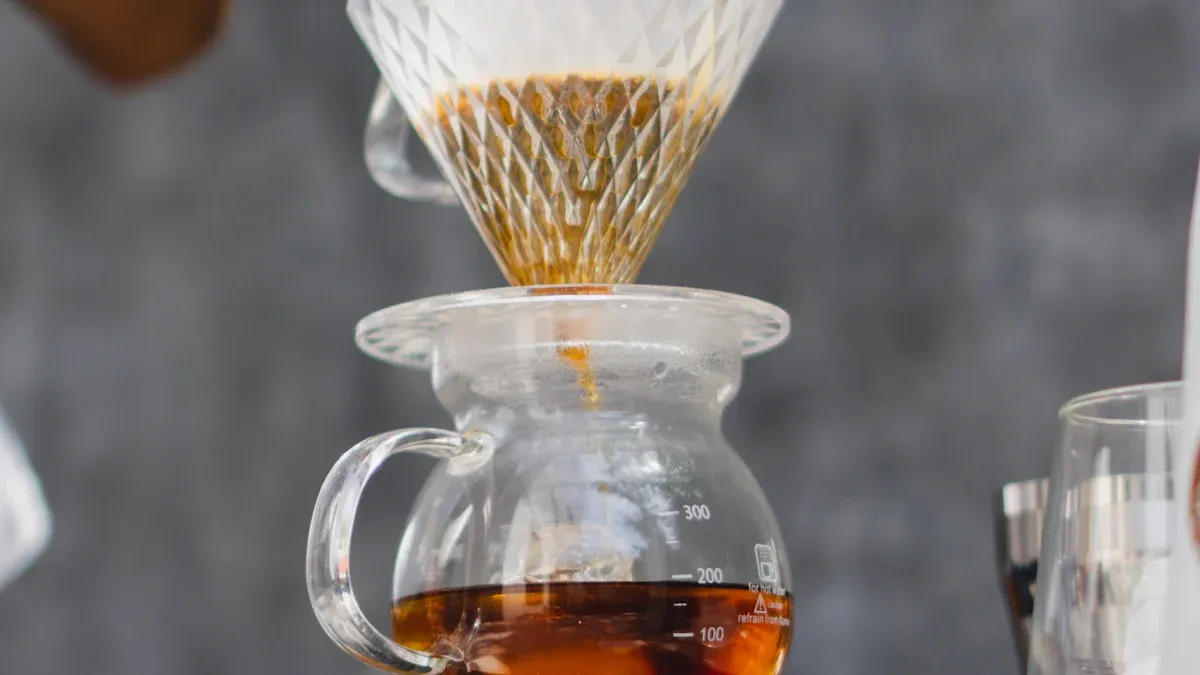
Timing plays a vital role in coffee brewing. It directly affects how well you extract flavors from the coffee grounds. When you brew coffee, the extraction process involves dissolving soluble compounds from the coffee into the water. Scientific research shows that brew time significantly affects coffee extraction. Longer brewing times lead to distinct physicochemical and sensory characteristics. For example, cold brewing occurs at lower temperatures over extended periods, typically between 8 to 24 hours. This method results in different extraction kinetics compared to traditional hot brewing methods, which usually last under 5 minutes. The difference in brewing time and temperature influences the solubility and release of various chemical compounds, such as caffeine and 3-chlorogenic acid.
Using a timer allows you to control brewing time precisely. This control is essential for achieving optimal flavor and aroma. By setting the timer to brew just before consumption, you can enjoy coffee at its freshest. This practice helps you avoid the pitfalls of over- or under-extraction that can occur with less precise manual brewing methods.
Consistency in Brewing
Consistency is key to brewing great coffee. Timers help you achieve this consistency by tracking extraction times accurately. This is especially important for methods like espresso and pour-over. Baristas often aim for specific extraction windows, such as 25 to 30 seconds for espresso. By using a timer, you ensure optimal flavor extraction, leading to improved consistency in brewing.
Here’s a quick look at how timers contribute to brewing consistency:
Evidence Description | Impact on Brewing Consistency |
|---|---|
Timers help track extraction times precisely, especially for espresso and pour-over methods. | Ensures optimal flavor extraction, leading to improved consistency in brewing. |
Baristas aim for specific extraction windows (e.g., 25-30 seconds for espresso). | Consistent timing contributes to better flavor quality and customer satisfaction. |
Both home brewers and professional baristas increasingly use coffee timers. The rise in specialty coffee culture drives both groups to adopt these tools for precision brewing. Professional baristas invest in high-precision scales with timer functionalities to standardize brewing protocols and enhance workflow efficiency.
In user surveys, many coffee enthusiasts report that timers improve the repeatability of brewing recipes. For instance, 73% of guests found the timer engaging, treating it like a game. This engagement improved adherence to brewing times. Additionally, TDS readings improved from 1.18% to 1.32% after implementing the timer, indicating better coffee quality.
Benefits of Precision Brewing
Perfect Brews
Precision brewing transforms your coffee experience. By using coffee scales and timers, you can achieve the perfect cup of coffee every time. These tools work together to ensure you measure the right amount of coffee and water while controlling the brewing time. This combination leads to consistent flavor and quality. For example, the ‘mystical powder wash mystery’ method has gained popularity among brewers. It enhances lautering and sparging, resulting in cleaner flavors and improved quality.
Experts like Simon, who specializes in brewing technology, highlight the importance of real-time monitoring. Systems like the BrewMonitor allow brewers to make adjustments during the brewing process. This capability ensures consistency and quality, demonstrating that precision brewing leads to perfect brews.
Streamlining Process
Using coffee scales and timers streamlines your brewing process. You gain enhanced control over brewing techniques and ratios, allowing you to tailor flavors to your liking. Here are some benefits of using these tools:
Eliminate guesswork in measurements.
Replicate your favorite brews consistently.
Experiment with different brewing methods and recipes.
Track your progress and make improvements over time.
Timers provide real-time feedback, helping you identify issues such as pouring speed and grind size. This immediate feedback allows for quick adjustments, enhancing your brewing skills. Additionally, consistent use of a scale timer builds muscle memory, leading to better brewing habits and increased confidence.
By combining timing with flow rate control, you gain deeper insights into pouring consistency. Logging your brews with a timer helps you identify patterns and preferences, contributing to long-term improvement in your brewing skills. Overall, precision brewing not only enhances the quality of your coffee but also makes the brewing process more enjoyable and efficient.
Choosing the Right Coffee Scale
Key Features
When selecting the right coffee scale, consider several key features that enhance your brewing experience. A quality coffee scale should offer:
Accuracy: Look for a scale that provides precise measurements. This accuracy ensures you achieve consistent flavor profiles by following specific brew ratios, such as 1:1 or 1:2.
Built-in Timer: A scale with a built-in timer simplifies the brewing process. It allows you to track extraction times, which is crucial for methods like espresso and pour-over.
Stability: Choose a scale that prevents fluctuations in measurements. Stability increases ease of use during brewing, allowing you to focus on perfecting your technique.
Durability: Invest in a durable scale that withstands daily use. A reliable scale reduces concerns about damage and ensures longevity.
Feature | Impact on Brewing Accuracy | Impact on User Experience |
|---|---|---|
Accuracy | Ensures precise measurements for consistent brewing | Enhances confidence in brewing process |
Built-in Timer | Facilitates timing for optimal brewing | Simplifies the brewing process |
Stability | Prevents fluctuations in measurements | Increases ease of use during brewing |
Durability | Ensures longevity and reliability of the scale | Reduces concerns about damage during use |
Best Practices
To maximize the benefits of your coffee scale, follow these best practices:
Use a scale with a built-in timer for methods like espresso and pour-over. Timing affects extraction, making this feature essential.
Measure both weight and time simultaneously. This practice streamlines the brewing process, especially for beginners.
Regularly use your coffee scale to achieve a consistent coffee-to-water ratio. This consistency improves taste and strength.
Familiarize yourself with your scale’s features. Ensure it is calibrated correctly for accurate measurements.
Utilize the tare function to zero out the weight of containers. This focus allows you to measure only the coffee and water.
By following these practices, you can avoid common mistakes that lead to weak or overly strong coffee. Maintaining the ideal coffee-to-water ratio is crucial for balanced flavor. Accurate measurements help replicate your preferred taste consistently, enhancing your overall brewing experience.
Precision in coffee brewing is essential for achieving the best flavor and consistency. You learned that small changes in brewing parameters can lead to different flavor profiles. Consistency in measurements is necessary for reliable results.
Using coffee scales and timers together enhances your brewing experience. Here’s how they contribute:
Tool | Measures | Why It Matters |
|---|---|---|
Timer | Extraction time | Ensures shots are within the ideal range. |
Scale | Yield (g) | Maintains brew ratios for flavor balance. |
Both | Flow Rate (g/s) | Reveals channeling and grind errors. |
By embracing these tools, you can elevate your coffee brewing skills and enjoy a perfect cup every time.
FAQ
What is the best coffee-to-water ratio?
The ideal coffee-to-water ratio typically ranges from 1:15 to 1:18. You can adjust this based on your taste preferences. Experiment to find the perfect balance for your favorite brew.
How do I calibrate my coffee scale?
To calibrate your coffee scale, use a known weight. Place the weight on the scale, then adjust until it matches the known value. This ensures accurate measurements for your brewing.
Can I use a regular kitchen scale for coffee?
While you can use a regular kitchen scale, a dedicated coffee scale offers features like a built-in timer and higher precision. These features enhance your brewing experience and consistency.
How does brew time affect flavor?
Brew time significantly impacts flavor extraction. Shorter times may lead to sour notes, while longer times can cause bitterness. Use a timer to find the optimal brewing duration for your coffee.
Why is consistency important in coffee brewing?
Consistency ensures you achieve the same great taste every time. By using scales and timers, you can replicate your favorite brews, making your coffee experience more enjoyable and reliable.