


Coffee shops serve as vital social hubs in our communities. They create a space where you can relax, work, or catch up with friends. In both urban and rural areas, local coffee shops play a crucial role in fostering community life. In rural settings, they act as anchors for social interactions, helping maintain the fabric of small towns. Meanwhile, urban coffee shops cater to diverse needs, becoming multifunctional spaces where meaningful conversations thrive. These cafes fulfill a sense of belonging, making them essential for connecting people and enhancing the coffee community.
Key Takeaways
Coffee shops create welcoming spaces that encourage social interaction and community connections.
Local cafes host diverse events, like open mic nights and art exhibitions, which help strengthen community ties.
Supporting local artists and charities fosters a sense of belonging and pride within the community.
The design and layout of coffee shops promote conversations, making them ideal places for collaboration and networking.
By engaging with your local coffee shop, you can contribute to community growth and support local entrepreneurship.
Social Hubs in Coffee Shops
Building Community Connections
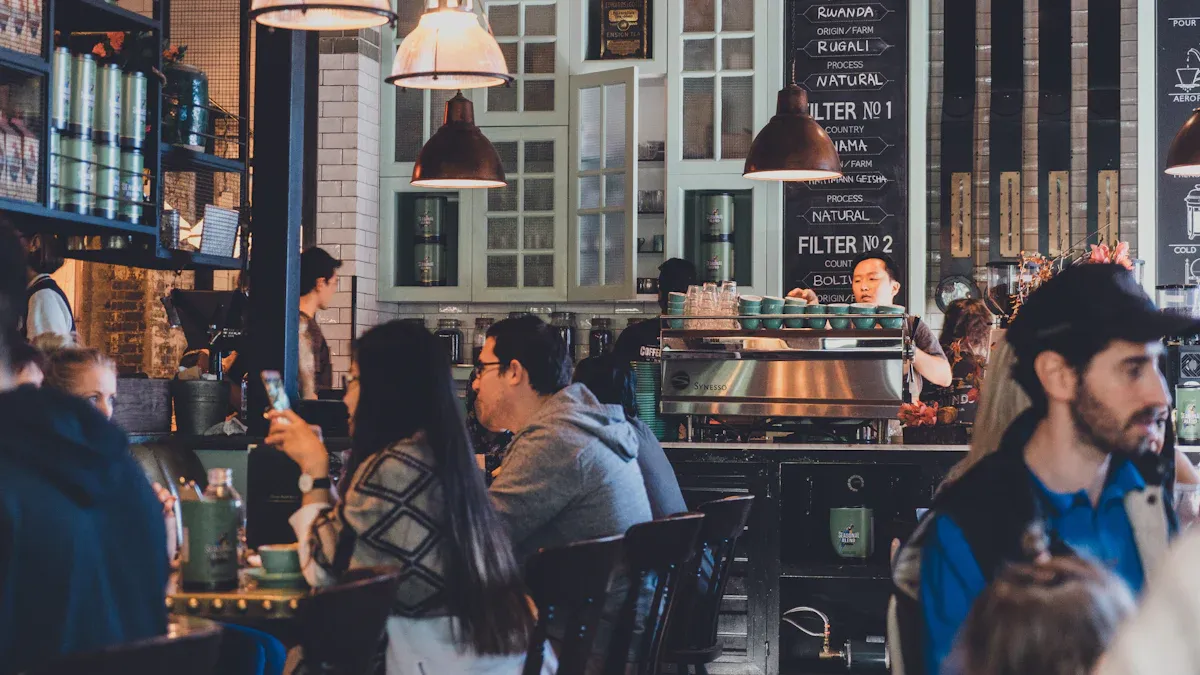
Coffee shops are more than just places to grab a quick caffeine fix. They act as vibrant social hubs where you can connect with others. Here’s how they build community connections:
Creating a Welcoming Space: When you walk into a coffee shop, the atmosphere often feels inviting. Baristas greet you with a smile and remember your favorite drink. This personal touch makes you feel valued and encourages you to return.
Space Layout: Many local cafes design their spaces to promote interaction. Open areas invite mingling, while cozy corners are perfect for intimate conversations. You might find yourself chatting with a stranger or catching up with a friend over a shared table.
Community Board: Look around, and you might spot a community board filled with flyers for local events. This simple feature enhances neighborhood vibrancy and keeps you informed about what’s happening nearby.
Diverse Events: Coffee shops often host events like open mic nights or art workshops. These gatherings attract a varied audience, enriching community ties and providing opportunities for you to meet new people.
Support for Local Causes: Many coffee shops engage in local initiatives, whether it’s donating a portion of their profits to charity or hosting fundraisers. This involvement strengthens community bonds and fosters loyalty among patrons.
Historical Significance of Coffee Houses
The history of coffee houses reveals their role as crucial social connectors throughout time. Here are some key points:
By the 18th century, coffee houses became centers of social, intellectual, and commercial activity in major European cities. They played a pivotal role in the development of modern journalism and the stock market, with early newspapers emerging from these establishments.
These venues facilitated the exchange of ideas among philosophers, writers, and artists, contributing to the cultural and intellectual flourishing of society. They welcomed individuals from all social classes, fostering a democratic environment for discussion.
Notable historical events took place in coffee houses. For instance, the Café de Foy in Paris was a key site for revolutionary discussions during the French Revolution. Similarly, the Green Dragon Tavern in Boston served as a meeting place for the Sons of Liberty, playing a crucial role in planning resistance against British rule.
Coffee houses were known as ‘penny universities’ during the Enlightenment. They provided accessible education and discourse, allowing patrons to engage in discussions on politics, philosophy, and science.
Figures like Voltaire and Rousseau frequented cafés, which became central to the Enlightenment movement. The Café Procope in Paris was a gathering place for these thinkers, showcasing the coffee shop’s role in shaping ideas and movements.
In today’s world, coffee shops continue to serve as essential social hubs, fostering community connections and encouraging conversations that matter.
Coffee Shop Culture and Local Identity
Cultural Events and Gatherings
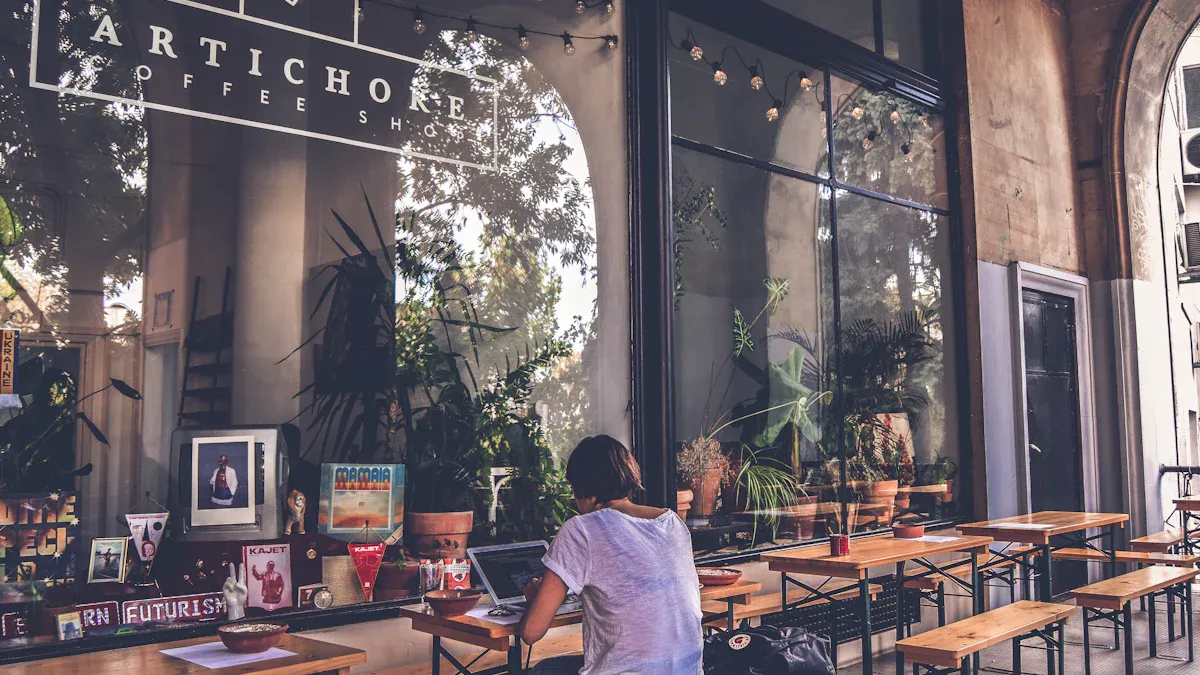
Coffee shops play a vital role in shaping local culture by hosting a variety of events that bring people together. These gatherings create opportunities for you to engage with your community in meaningful ways. Here are some examples of how coffee shops contribute to local identity through cultural events:
Art Exhibitions: Many independent coffee shops showcase local artists by displaying their work on the walls. This not only beautifies the space but also gives artists a platform to reach new audiences.
Live Performances: From open mic nights to live music, coffee shops often host performances that attract diverse crowds. These events foster connections between performers and patrons, enhancing the cultural fabric of the community.
Workshops and Classes: Some cafes offer workshops, such as painting or writing classes. These sessions encourage skill development and social interaction, allowing you to learn something new while meeting fellow community members.
Book Clubs and Game Nights: Regularly scheduled events like book clubs or game nights create a sense of belonging. You can enjoy casual conversations with others who share your interests, strengthening community ties.
Through these cultural events, coffee shops become social connectors, enriching the local culture and fostering a sense of pride among residents.
Supporting Local Charities
Coffee shops also play a significant role in supporting local charities and initiatives. By partnering with local organizations, they help address community needs and promote social responsibility. Here’s how they do it:
Fundraising Events: Many coffee shops host fundraising events, donating a portion of their profits to local charities. This not only raises money but also raises awareness about important issues affecting the community.
Donation Drives: Some cafes organize drives for food, clothing, or school supplies. By encouraging patrons to contribute, they create a culture of giving and support within the community.
Collaboration with Local Nonprofits: Coffee shops often collaborate with local nonprofits to host events or provide resources. This partnership strengthens community bonds and highlights the importance of supporting one another.
By actively engaging in charitable efforts, coffee shops help cultivate a sense of community ownership and solidarity. They remind you that every cup of coffee can contribute to a greater cause, making your experience more meaningful.
Design for Community Interaction
Ambiance and Layout
The ambiance and layout of coffee shops play a crucial role in fostering social interaction. When you step into a well-designed café, you often feel an immediate sense of comfort. The seating arrangements and overall comfort level can significantly influence how often you engage with others. Research shows that patrons report higher levels of interaction in coffee shops designed for socializing rather than solitary tasks.
Here are some design elements that enhance the coffee shop experience:
Comfortable Seating: Varied seating options encourage you to stay longer, which naturally leads to more conversations.
Open Layouts: Spaces that promote lingering create opportunities for deeper connections. You might find yourself chatting with someone new while waiting for your drink.
Preferred Locations: Many people gravitate toward seats near walls or windows. These spots enhance feelings of security and engagement, making it easier to strike up a conversation.
Evidence Description | Findings |
|---|---|
Seating arrangements and comfort | Patrons reported higher levels of interaction in coffee shops designed for socializing rather than solitary tasks. |
Opportunities for lingering | Design elements that promote lingering foster deeper connections with the coffee shop setting. |
Preferred seating locations | Observations indicated that seats near walls or windows were favored, enhancing feelings of security and engagement. |
Shared Spaces
Shared spaces in coffee shops, like community tables, are essential for encouraging group conversations and collaboration. These areas invite you to connect with others, whether you’re working on a project or simply enjoying your coffee.
Consider these benefits of shared spaces:
Collective Knowledge: Sharing ideas visually on napkins or tablecloths helps everyone build on each other’s thoughts.
Listening Together: Group conversations allow you to discover insights that might not be apparent when you’re alone.
Welcoming Environment: A hospitable space encourages open dialogue, making it easier to explore complex topics.
Coffee shops are evolving to meet the changing needs of communities. They now serve as cultural hubs that reflect local identity and lifestyle. By incorporating elements like rotating art displays and hosting community events, these cafés enhance the culture and create spaces for connection.
Engaging local artisans by selling their products fosters a sense of belonging.
Hosting events like coffee tastings encourages interaction among customers.
In this way, coffee shops not only provide a great café experience but also strengthen community ties through thoughtful design.
Coffee Shops and Community Entrepreneurship
Coffee shops play a significant role in stimulating local entrepreneurship. They create spaces where you can connect with others, share ideas, and collaborate on projects. Here’s how they showcase local talent and encourage small business growth:
Showcasing Local Talent
Local coffee shops often act as platforms for artists, writers, and musicians to display their work. For example, Nirvana Soul in San Jose hosts ‘Nirvana Soul After Dark’ every Friday. This open mic night attracts a diverse group of performers, including poets and musicians. Such events foster a vibrant local arts scene and give you a chance to experience the creativity of your community firsthand.
Here are some measurable outcomes from initiatives like these:
Outcome | Measurement |
|---|---|
Increased Patronage | Daily customers increased from 100 to 150 (50% increase) |
Positive Customer Feedback | 80% of respondents felt more connected to the community |
Social Media Growth | Instagram followers doubled, engagement rate at 5% (above industry standard of 2%) |
Encouraging Small Business Growth
Coffee shops also support small businesses by providing a welcoming environment for networking and collaboration. Research shows that neighborhoods with coffee shops see a nearly 30% annual increase in new registered businesses. This suggests that coffee shops serve as vital social spaces that enhance community engagement.
Here are some examples of successful collaborations between coffee shops and local entrepreneurs:
Local coffee shops and community events achieved a 30% increase in sales during events, with significant social media engagement.
Steaming Mugs hosted a Latte Art Throwdown, recording a 50% increase in foot traffic and serving over 300 cups of coffee in three hours.
Brewed Awakenings organized a charity fundraiser, increasing daily sales by 45% and gaining over 100 new email subscribers.
Coffee shops create inviting atmospheres that encourage idea-sharing and collaboration among locals. They serve as meeting points for various community groups, fostering connections that can lead to new ventures. By supporting local talent and small businesses, coffee shops contribute to the overall economic vitality of the community.
Coffee shops truly transform communities. They serve as welcoming spaces where you can connect with others, share stories, and build relationships. These cafés act as ‘third places’ that foster social interaction and community engagement. You’ll find people from all walks of life coming together, celebrating cultural diversity through art, music, and events.
As you sip your coffee, remember that these shops not only fulfill your caffeine cravings but also enhance social culture. They create environments where connections flourish, making your community a better place to live.
FAQ
What makes coffee shops important for community building?
Coffee shops create spaces for social interaction. They host events, support local artists, and provide a welcoming atmosphere. These elements help you connect with others and strengthen community ties.
How do coffee shops support local artists?
Many coffee shops showcase local artwork and host performances. This exposure allows artists to reach new audiences while enriching the cultural landscape of your community.
Can coffee shops help small businesses grow?
Absolutely! Coffee shops often serve as meeting points for entrepreneurs. They foster collaboration and networking, which can lead to new business opportunities and increased local economic activity.
What types of events do coffee shops typically host?
Coffee shops host a variety of events, including open mic nights, art exhibitions, and workshops. These gatherings encourage community engagement and provide fun ways for you to connect with others.
How can I get involved with my local coffee shop?
You can participate by attending events, supporting local artists, or volunteering for community initiatives. Engaging with your coffee shop helps strengthen its role in your community.
