

Coffee plays a vital role in daily life for many people around the world. You might start your day with a warm cup or enjoy a midday boost. With over 2.25 billion cups consumed globally each day, coffee’s popularity is undeniable. Among the various types of coffee beans, Arabica and Robusta stand out as the most significant. Arabica beans are projected to account for 69.3% of the global coffee market by 2025. This Ultimate Guide to understanding the differences between these two bean types can enhance your coffee experience, whether you are an enthusiast or a casual drinker.
Key Takeaways
Arabica beans offer a sweet, fruity flavor, while Robusta beans provide a bold, bitter taste. Choose based on your flavor preference.
Robusta contains about twice the caffeine of Arabica, making it a better option for those seeking a stronger energy boost.
Arabica coffee is generally more expensive due to its delicate growing conditions. Consider your budget when selecting coffee beans.
Experiment with both Arabica and Robusta to discover which type best suits your taste and brewing method.
Understanding the differences between these beans can enhance your overall coffee experience and enjoyment.
Ultimate Guide to Coffee Beans
Coffee beans are the seeds of the Coffea plant. They play a crucial role in brewing your favorite beverages. When you brew coffee, you extract flavors and aromas from these beans. The two main coffee bean types are Arabica and Robusta. Each type has unique characteristics that affect taste, aroma, and overall quality.
Significance of Arabica and Robusta
Arabica and Robusta dominate the coffee industry. Together, they account for about 99% of global coffee production. Understanding their differences helps you choose the right coffee for your taste.
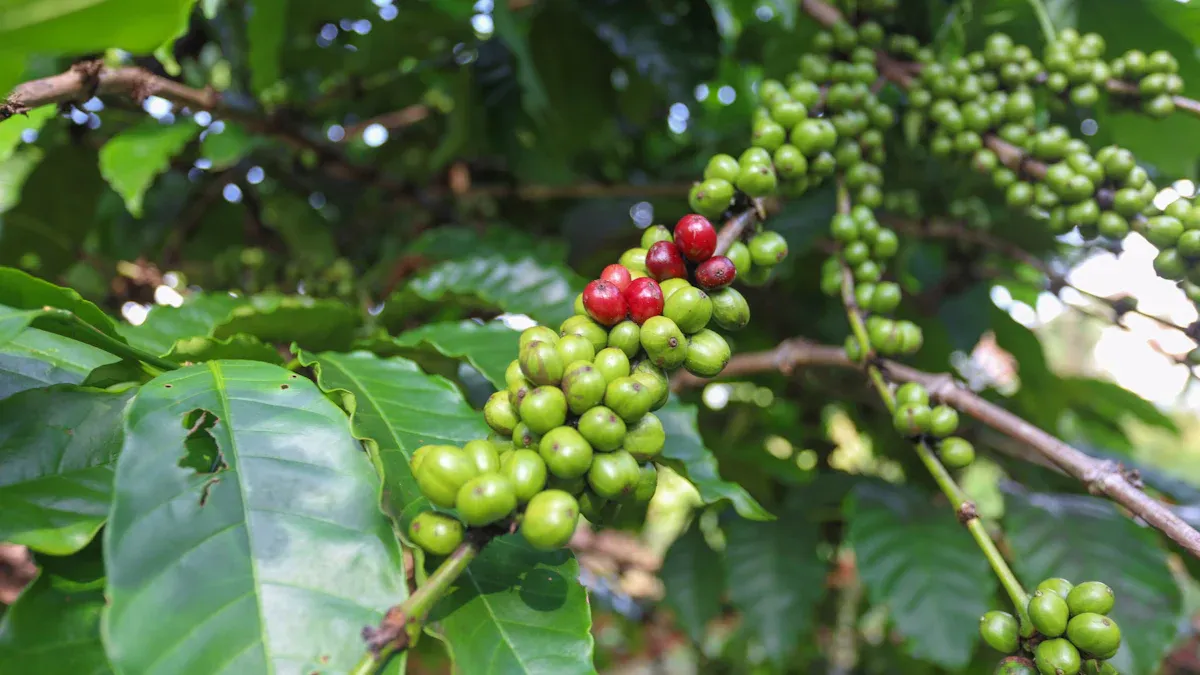
Arabica beans are known for their smooth, complex flavors. They thrive in higher altitudes and cooler temperatures. The ideal temperature for Arabica ranges from 15 to 24 °C, and they require between 500 to 3000 mm of rainfall annually. Arabica beans make up about 60-70% of the world’s coffee production.
Robusta beans, on the other hand, have a stronger, more bitter flavor. They grow best in warmer climates, with an ideal temperature of 24 to 30 °C. Like Arabica, Robusta also needs 500 to 3000 mm of rainfall. However, Robusta plants are hardier and more resistant to pests. This resilience makes them easier to cultivate.
Here’s a quick comparison of their botanical classifications:
Classification | Description |
|---|---|
Genus | Coffea |
Notable Species | Coffea arabica, C. canephora |
Family | Rubiaceae |
Characteristics | Produces seeds resembling coffee beans |
Arabica Characteristics
Flavor Profile of Arabica
Arabica coffee beans offer a delightful flavor profile that many coffee lovers appreciate. You can expect bright acidity, floral and fruity notes, and a smooth finish when you brew Arabica coffee. The flavor can vary based on processing methods. For example, honey processing enhances caramel and buttery flavors, while natural processing brings out fruity notes. Here are some common flavor characteristics of Arabica:
High levels of fruity, floral, and sweet aromas
Bright acidity
Smooth finish
The presence of citric and malic acids contributes to the unique taste. Citric acid leads to citrus flavors like orange and lemon, while malic acid imparts apple or pear-like flavors.
Growing Conditions for Arabica
To grow Arabica coffee beans successfully, you need specific conditions. Arabica thrives at higher altitudes, typically between 2,000 to 6,000 feet above sea level. The ideal temperature for Arabica cultivation is below 75°F (24°C). Here’s a quick overview of the ideal growing conditions:
Condition | Ideal Range |
|---|---|
Altitude | 2,000 to 6,000 feet above sea level |
Temperature | Below 75°F (24°C) |
These conditions help Arabica beans develop their rich flavors. However, keep in mind that Arabica plants are more susceptible to diseases compared to Robusta, which can affect their yield.
Price and Availability of Arabica
Arabica coffee beans tend to be more expensive than other varieties due to their unique growing requirements and flavor profile. The average market price for Arabica coffee is around $8.023 per kilogram. In comparison, other mild Arabica varieties can be priced at approximately 363.91 cents per pound. This price difference reflects the quality and demand for Arabica coffee in the market.
As you explore your coffee options, consider the unique characteristics of Arabica beans. Their distinct flavor profile and growing conditions make them a popular choice among coffee enthusiasts.
Robusta Characteristics
Flavor Profile of Robusta
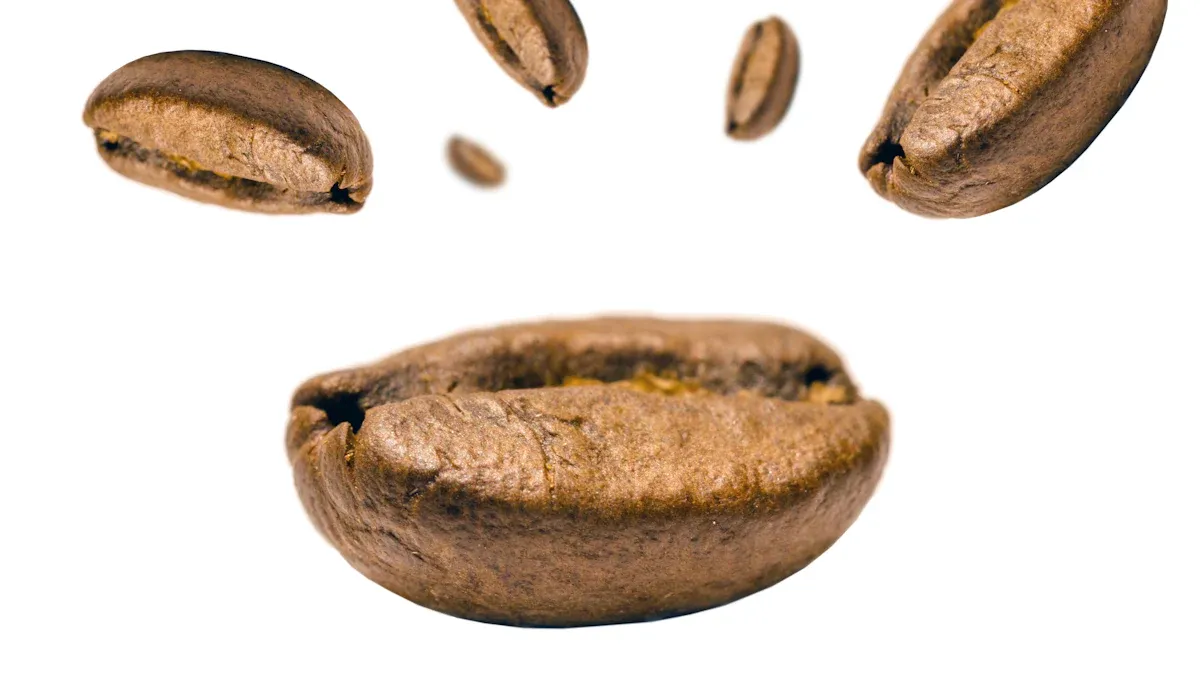
Robusta coffee beans offer a bold and distinctive flavor that sets them apart from Arabica. When you brew Robusta, expect a strong and pronounced taste. Here are some key flavor notes you might encounter:
Flavor Notes | Description |
|---|---|
Bold | Strong and pronounced flavor |
Earthy | Rich, grounded taste |
Nutty | Notes of nuts, adding complexity |
Smoky | A hint of smokiness, enhancing depth |
Heavy Body | Full-bodied mouthfeel |
Low Acidity | Milder acidity compared to Arabica |
Robusta coffee typically has a heavier body and lower acidity than Arabica. This makes it a popular choice for espresso blends, where a rich flavor is essential.
Growing Conditions for Robusta
Robusta coffee thrives in specific growing conditions. You will find that it prefers lower altitudes and warmer climates. Here’s a quick overview of the ideal conditions for cultivating Robusta:
Altitude Range (feet) | Temperature Preference (°F) |
|---|---|
600 – 2400 | ~80 |
Robusta plants can grow well at altitudes between 600 and 2400 feet. They prefer temperatures around 80°F, making them suitable for regions with warmer climates. This resilience allows Robusta to flourish in areas where Arabica might struggle.
Price and Availability of Robusta
Robusta coffee beans are generally more affordable than Arabica. The average market price for Robusta coffee is around $4.244 per kilogram, reflecting its growing popularity. Here’s a snapshot of the current pricing trends:
Time Period | Price (USD/kg) | Change from Last Month | Change from Last Year |
|---|---|---|---|
Current (Jan 2026) | 4.244 | +1.02% | -21.51% |
Last Month | 4.201 | ||
One Year Ago | 5.408 |
In recent decades, Robusta’s share of global coffee production has increased significantly, rising from 25% to 40%. This shift reflects the growing demand for coffee and the expanding cultivation of Robusta beans.
Arabica vs Robusta: A Comparative Analysis
Taste Differences
When you compare Arabica and Robusta, you notice distinct taste differences. Arabica coffee tends to have a sweet flavor profile. You might detect hints of caramel, nuts, chocolate, and sometimes fruits or berries. Its mild, smooth, and fruity flavors come with bright acidity.
In contrast, Robusta coffee offers a bold and deep flavor. You can expect notes of dark chocolate and nuts, like almonds. Robusta has a heavy mouthfeel with little to no acidity, making it smooth yet robust.
Here’s a quick comparison of their taste characteristics:
Characteristic | Arabica | Robusta |
|---|---|---|
Cocoa | Present | Less present |
Brown Sugar | Present | Less present |
Earthy | Less present | More present |
Papery | Less present | More present |
Burnt | Less present | More present |
Caffeine Content Comparison
Caffeine content varies significantly between Arabica and Robusta beans. If you need a stronger kick, Robusta is the better choice. Arabica contains about 1.2% to 1.5% caffeine by weight, while Robusta has a higher caffeine content, ranging from 2.2% to 2.7%. This difference can impact your energy levels and alertness throughout the day.
Here’s a table summarizing the caffeine content:
Coffee Type | Caffeine Content (by weight) |
|---|---|
Arabica | 1.2% to 1.5% |
Robusta | 2.2% to 2.7% |
Health Benefits of Each Bean Type
Both Arabica and Robusta coffee beans offer unique health benefits.
Arabica coffee contains bioactive compounds that may improve skin health. These beans are often used in cosmetic formulations. Caffeine in Arabica enhances microcirculation, which can help reduce dark circles in eye creams. Additionally, chlorogenic acids in Arabica beans possess antioxidant and anti-inflammatory properties. Studies indicate that consuming Arabica may positively affect your lipid profile, blood pressure, obesity, and insulin resistance.
On the other hand, Robusta coffee also has notable health benefits. It contains antioxidant properties that help protect against free radicals. Some studies suggest that Robusta may have anticancer effects, particularly in modulating immune response and reducing inflammation. Long-term coffee consumption, including Robusta, is linked to a reduced risk of several diseases, such as stroke, liver cancer, and Parkinson’s disease. Furthermore, coffee drinkers often experience improved mood and a lower risk of depression.
Choosing Your Coffee: Arabica or Robusta?
When deciding between Arabica and Robusta coffee, consider several factors that can influence your choice. Each type of bean has its unique characteristics that cater to different preferences and needs.
Factors to Consider
Flavor Profile: Arabica beans offer a wider range of complex flavors, including fruity and nutty notes. This variety appeals to coffee enthusiasts who enjoy exploring different taste experiences. In contrast, Robusta beans have a simpler flavor profile, often described as less nuanced and more bitter. If you prefer a rich and bold taste, Robusta might be your best option.
Price: Generally, Arabica coffee beans cost about double the price of Robusta beans in the commodity market. This price difference reflects the higher demand and quality associated with Arabica. If budget is a concern, Robusta provides a more affordable choice without sacrificing flavor.
Caffeine Content: If you seek a stronger caffeine kick, Robusta is the better choice. Robusta beans contain about twice the caffeine of Arabica beans. This higher caffeine content can provide an extra boost when you need it most.
Aroma and Taste: Arabica coffee is more aromatic and offers a superior taste, often described as smooth and delicate. Robusta yields a stronger, more bitter flavor, with earthy and grainy notes. Your preference for aroma and taste will significantly influence your decision.
Personal Preferences and Brewing Methods
Your brewing method can also impact the flavor and quality of your coffee. Different methods highlight various characteristics of Arabica and Robusta beans.
Espresso: Robusta beans are favored for their strong flavors and ability to create a rich crema, enhancing espresso drinks. If you enjoy espresso, consider using Robusta for a bolder shot.
Pour-over and Drip Coffee: Arabica beans are preferred for their complex flavors, which are best extracted through slow brewing methods. The pour-over method accentuates the coffee’s delicate flavors, making it ideal for appreciating its aromatic qualities.
Cold Brew: Both beans are used in cold brew, but Robusta is appreciated for its strong flavor, which softens in this brewing method. If you like cold coffee, Robusta can provide a refreshing option.
French Press: Arabica is ideal for the French press due to its ability to develop complex flavors without bitterness. This method creates a richer, heavier cup, perfect for nutty and chocolatey Arabica varieties.
Here’s a quick overview of how different brewing methods impact the taste of your coffee:
Brewing Method | Impact on Taste |
|---|---|
Pour-Over | Enhances flavors and aromas, providing a clear and crisp cup. |
French Press | Creates a richer, heavier cup with more oils and texture. |
Cold Brew | Produces a naturally sweet, low-acid cup with caramel and chocolate notes. |
Espresso | Results in a balanced, aromatic shot with a velvety crema. |
Ultimately, your choice between Arabica and Robusta will depend on your personal preferences, budget, and the brewing methods you enjoy. Experimenting with both types can help you discover which one suits your taste best.
In summary, Arabica and Robusta coffee beans have distinct differences that can influence your coffee experience. Here are the key points to remember:
Flavor: Arabica offers a sweet, fruity taste, while Robusta presents a bold, bitter flavor.
Caffeine Content: Arabica contains about 1.2% to 1.5% caffeine, whereas Robusta has a higher content of 2.2% to 2.7%.
Price: Arabica is generally more expensive due to its delicate growing conditions and lower yields.
When choosing between the two, consider your taste preferences and needs. You might enjoy the smoothness of Arabica or the strong kick of Robusta. 🌟
To fully appreciate their unique qualities, try both types and discover which one suits your palate best!
FAQ
What is the main difference between Arabica and Robusta?
Arabica beans have a sweeter, more complex flavor, while Robusta beans offer a stronger, more bitter taste. Arabica also has lower caffeine content compared to Robusta.
Which coffee bean is better for espresso?
Robusta is often preferred for espresso due to its bold flavor and ability to create a rich crema. It enhances the overall strength of the espresso shot.
Can I mix Arabica and Robusta beans?
Yes, many coffee enthusiasts blend both types to achieve a balanced flavor profile. Mixing can enhance complexity and provide a unique taste experience.
How should I store my coffee beans?
Store your coffee beans in an airtight container in a cool, dark place. Avoid exposure to light, moisture, and heat to maintain freshness.
Is Arabica coffee healthier than Robusta?
Both types offer health benefits. Arabica contains more antioxidants, while Robusta has higher caffeine levels, which may boost energy. Your choice depends on personal preference.
